Summary of HR 8076 (119th Congress) – PREDICT Act
Date introduced: March 25, 2026
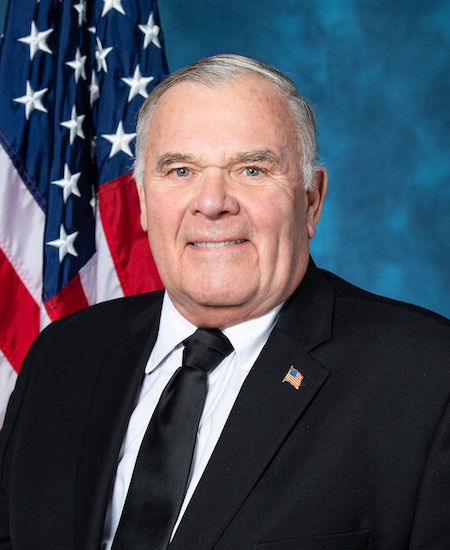
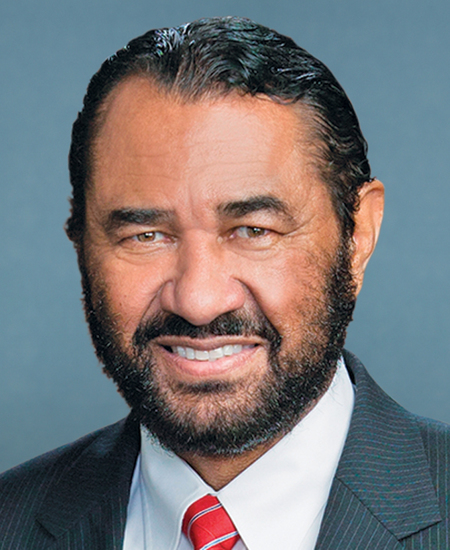
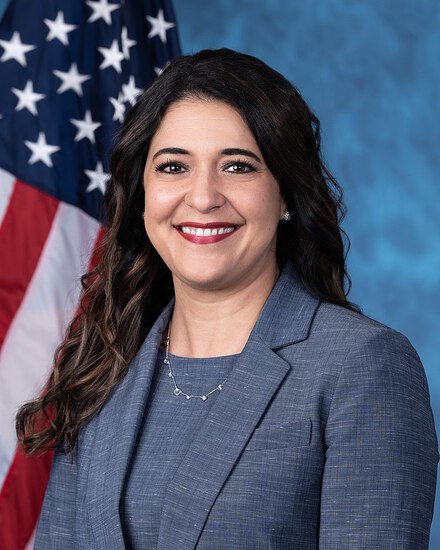
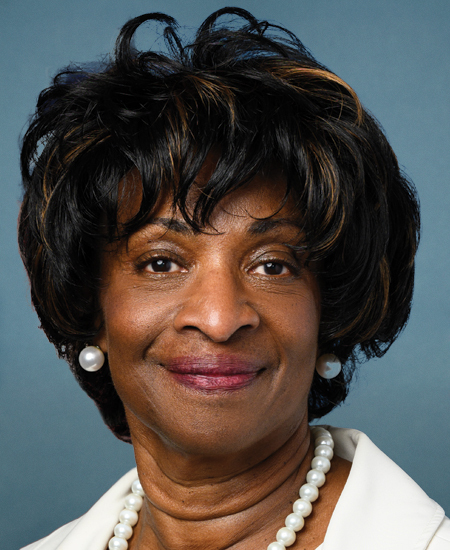
Sponsor(s): Reps. Budzinski, Smith of Nebraska, Magaziner (plus multiple co-sponsors)
Policy goal (purpose)
- Prohibits covered individuals from trading on prediction markets while they are serving in federal government roles, and establishes penalties and enforcement mechanisms for violations.
Key provisions and changes
1) New subchapter added to Chapter 131 of Title 5 U.S.C.
- Subchapter IV: Restrictions on Trading on Prediction Markets
- §13151. Definitions
- Covered individual: broad category including
- Members of Congress (and their spouses/dependents)
- Individuals or entities with fiduciary duties related to prediction markets for Members or their families
- Executive branch officers and employees, including political appointees
- The President and Vice President
- Judicial officers and employees
- Independent agency officers/employees above certain pay thresholds
- Uniformed service members at or above O-7 pay grade
- Independent agency, political appointee, supervising ethics office definitions (as needed for applicability and oversight)
- §13152. Trading on prediction markets
- Prohibits a covered individual from entering into or offering to enter into any agreement, contract, or transaction that depends on the occurrence, nonoccurrence, or extent of a specific political event on prediction markets during federal service.
- The supervising ethics office may issue interpretive guidance on terms not defined in the subchapter.
- §13153. Penalties
- General penalties for violations:
- A penalty equal to 10% of the value of the prohibited agreement/transaction
- disgorgement of profits from the prohibited transaction
- Penalties payable to the U.S. Treasury
- Payment restrictions:
- Prohibits using certain official funds to pay penalties (e.g., Members’ Representational Allowance, Senators’ official accounts, campaign contributions, or other salary-derived funds)
- Public disclosure:
- Supervising ethics offices must publicly describe each fine, including reason and outcome, on a public website.
2) Administrative and enforcement framework
- Penalties enforced at the direction of the supervising ethics office.
- Guidance and interpretation to be provided by the supervising ethics office (and, for independent agencies, the Office of Government Ethics).
3) Legislative housekeeping
- Table of contents amended to include the new Subchapter IV with sections 13151–13153.
Impact and who is affected
- Individuals covered by the act (as defined in §13151) would be prohibited from engaging in prediction-market trading during federal service. This includes lawmakers, their families, executive branch officials, political appointees, judges and judicial employees, certain independent agency personnel, military officers at or above O-7, and other designated positions.
- The bill imposes monetary penalties (10% of the trade value and disgorgement of profits) and prohibits using certain government funds to pay penalties.
- Penalties and enforcement would be publicly disclosed, increasing transparency around any violations.
Procedural and timeline notes
- Status: Introduced in the House on March 25, 2026; referred to Oversight and Government Reform, House Administration, and Judiciary for consideration.
- No Senate text or conference information is provided in the current document.
- Effective date: Not specified in the bill text provided; typically, when enacted, effective dates are specified in the final bill or accompanying sections, if any.
Additional context
- The bill’s title emphasizes “Preventing Real-time Exploitation and Deceptive Insider Congressional Trading” (PREDICT Act), signaling a focus on preventing conflicts of interest and insider advantages related to real-time political event forecasting markets.
This summary captures the bill’s core aim, the principal provisions, the affected populations, and the basic procedural path laid out in the text. If you’d like, I can provide a comparison with existing ethics rules or analyze potential compliance challenges for specific agencies or positions.




Start the Conversation
Be the first to share your thoughts on this petition. Your voice matters!