Summary of HR 6855 (119th Congress) – White House Conference on Small Business Act of 2025
Purpose and intent
- Establishes a formal framework to convene a White House Conference on Small Business, with the goal of assessing the state of small businesses nationwide and analyzing policies that support entrepreneurship, access to capital, innovation, and job creation.
- The bill aims to produce a comprehensive national plan or set of recommendations to improve the environment for small businesses across sectors.
Key provisions and changes
- Creation of a White House-convened conference specifically focused on small business issues, to be led or coordinated at the executive level.
- Mandates the development of a national agenda or action plan derived from the conference, identifying policy priorities and recommended actions for federal agencies.
- Potentially directs federal agencies to collaborate with state and local governments, chambers of commerce, industry associations, and small-business stakeholders in the preparation and implementation of the conference findings (exact collaboration language may specify stakeholder engagement requirements).
- May authorize reporting requirements, such as a conference report or policy recommendations to Congress, along with timelines for delivering findings.
- Could include provisions on disseminating best practices, creating targeted programs, or proposing legislative changes to support small-business growth, access to capital, regulatory relief, workforce development, and procurement opportunities.
- The bill may specify funding mechanisms or authorization levels to support planning, logistics, and outreach for the conference and subsequent implementation activities.
Who would be affected
- Small businesses and aspiring entrepreneurs seeking improved access to federal programs, capital, and resources.
- Federal agencies involved in small-business policy (e.g., SBA, Treasury, labor, commerce) through required collaboration and implementation of conference recommendations.
- State and local governments, economic development organizations, chambers of commerce, and private sector stakeholders engaged in the conference process.
- Policymakers and legislators who would receive the conference findings and any proposed legislation or regulatory changes.
Procedural and timeline aspects
- Action history shows introduction and referral:
- Introduced in the House and referred to the House Committee on Small Business (both events dated 2025-12-18).
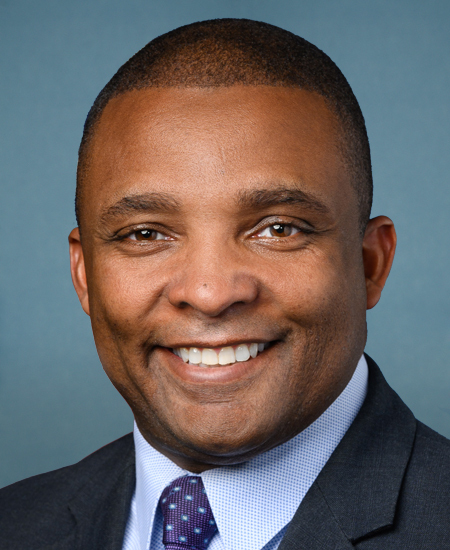
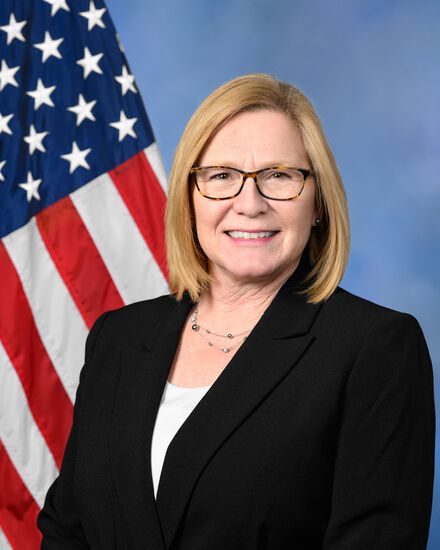
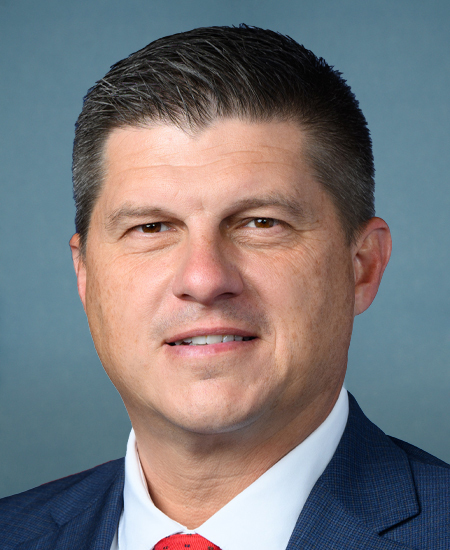
- Sponsor information indicates multiple co-sponsors (Tony Wied, Don Davis, Michelle Fischbach, Brad Finstad), suggesting bipartisan collaboration at the sponsor level.
- As of the provided record, no committee report or floor action is indicated; subsequent steps would typically include committee hearings, potential markup, and floor consideration.
- Timelines for conference planning, reporting, and implementation would be set forth in the bill or through accompanying appropriations or authorization provisions (if present).
Potential impact and considerations
- If enacted, the bill could formalize a structured, high-level policy review and set of recommendations aimed at boosting small-business resilience, competitiveness, and growth.
- Implementation would depend on subsequent funding and the degree to which Congress accepts or requires federal agencies to adopt the conference’s recommendations.
- The effectiveness would hinge on clear milestones, measurable outcomes, and accountability for translating conference findings into concrete policies or programs.
Note: The summary reflects the information available in the bill’s introductory and referral text. For a complete understanding, the full text would clarify definitive provisions, funding levels, reporting requirements, and the exact scope of agency responsibilities.




Start the Conversation
Be the first to share your thoughts on this petition. Your voice matters!