Summary of HR 8935 (119th Congress)
Purpose and intent
- HR 8935 seeks to exempt the Secretary of Energy from certain prohibitions related to unmanned aircraft systems (UAS, i.e., drones) and to address related or “for other purposes” provisions. The bill appears designed to provide specific regulatory or operational flexibility for the Department of Energy (DOE) in the use or deployment of UAS, subject to the bill’s text and any accompanying definitions or limitations.
Key provisions and changes (as described by the bill’s title and typical structure)
- Exemption for the Secretary of Energy: The central provision would lift or modify certain prohibitions that currently apply to the Secretary of Energy with respect to unmanned aircraft systems. This could involve authorization to operate, procure, or deploy UAS in contexts under DOE control, potentially including use on DOE facilities, in support of energy research, security, environmental monitoring, or emergency response.
- Scope and limitations: While the exact statutory text is not provided here, such exemptions commonly come with boundaries, such as:
- Applicability to specific categories of UAS (e.g., small vs. large drones) or specific missions (e.g., facility inspections, security, environmental sensing).
- Requirements to comply with applicable federal aviation regulations, safety standards, and cybersecurity protections.
- Reporting, oversight, or coordination with other agencies (e.g., FAA, Department of Homeland Security) as applicable.
- “For other purposes”: This phrasing suggests additional, related authorities or actions could be authorized, which might include related acquisition, testing, or deployment programs tied to energy infrastructure or research initiatives.
Who would be affected
- Primary: The Department of Energy and its Secretary.
- Related stakeholders may include:
- DOE facilities, laboratories, and field sites utilizing or planning to use UAS.
- DOE program offices overseeing security, environmental monitoring, asset management, or emergency response.
- UAS service providers, contractors, and vendors working with DOE.
- Other federal agencies involved in aviation safety, security, or energy-related operations, depending on potential cross-agency coordination provisions.
Procedural and timeline aspects
- Introduction and referral: The bill was introduced in the House and referred to the Committee on Oversight and Government Reform on May 20, 2026.
- Committee process: As of the latest action, the bill has not yet advanced to passage; it would proceed through committee consideration, potential amendments, and then floor action. Committee oversight could include hearings, a mark-up, and reporting the bill to the full House.
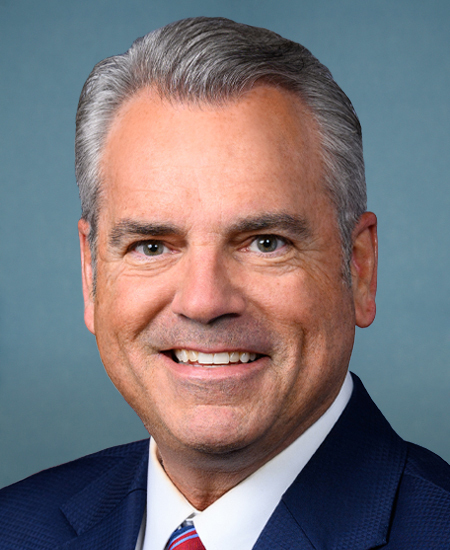
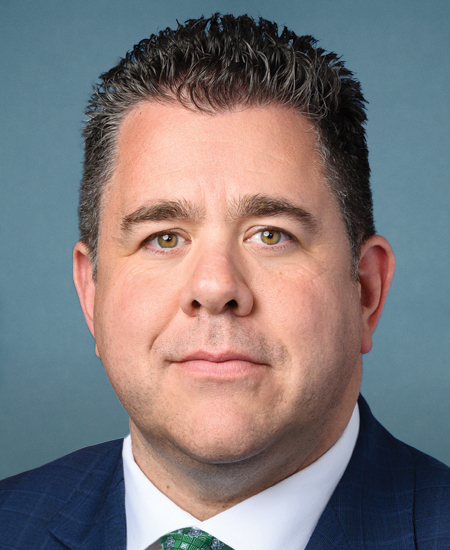
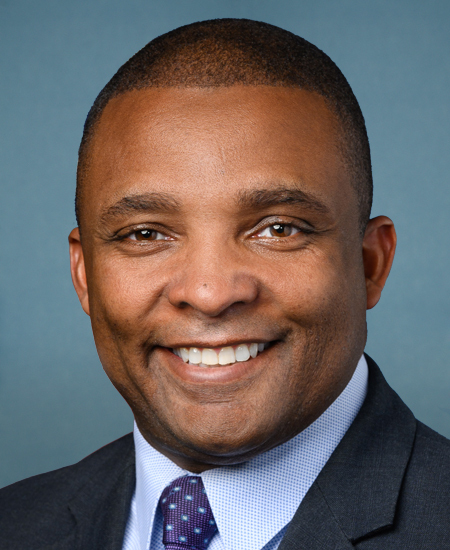
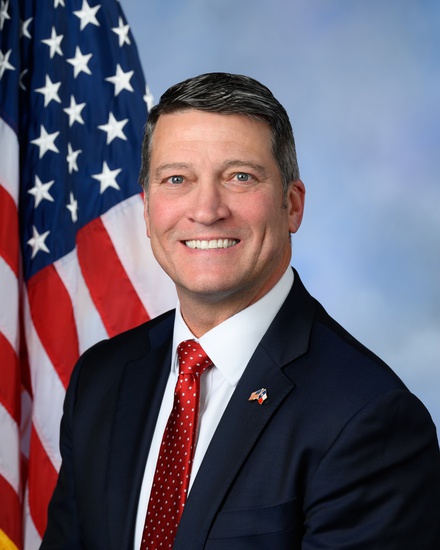
- Sponsor and co-sponsors: Primary sponsor and several co-sponsors from both parties indicate bipartisan interest and potential support within the House. Notable co-sponsors include Nick LaLota, Don Davis, Ronny Jackson, Susie Lee, Chuck Fleischmann, Seth Moulton, and Mark Alford.
Potential implications and considerations
- Operational flexibility for DOE: If enacted, the DOE could more readily deploy UAS for mission-critical activities, potentially improving safety, efficiency, and data collection at energy facilities and during emergencies.
- Safety and compliance: Provisions are likely to require adherence to aviation safety standards and privacy/security considerations, balancing operational needs with regulatory compliance.
- Interagency and regulatory context: The bill could interact with FAA regulations and other federal requirements governing unmanned aircraft operations, especially around critical energy infrastructure.
If you’d like, I can expand this by outlining hypothetical provisions commonly found in similar exemptions (e.g., definitions, enforceable limits, reporting requirements) once the exact text of HR 8935 is available.




Start the Conversation
Be the first to share your thoughts on this petition. Your voice matters!