Overview
- Bill: HR 7832, “America’s Living Library Act”
- Session: 119th Congress
- Purpose: Establish a pilot program called the America’s Living Library Project to collect and sequence genomic data from species in National Park System units, create a publicly accessible genomic database, and manage long-term storage of samples. The effort involves interagency coordination, data standards, tribal consultation, and funding for multiple federal and partner storage facilities.
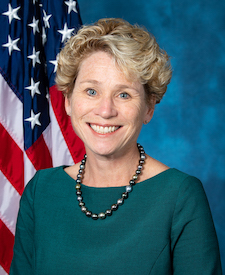
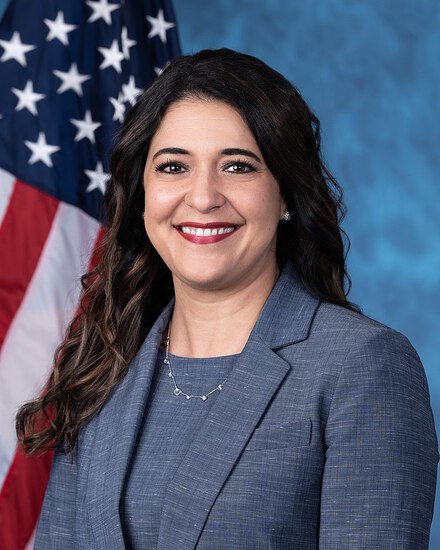
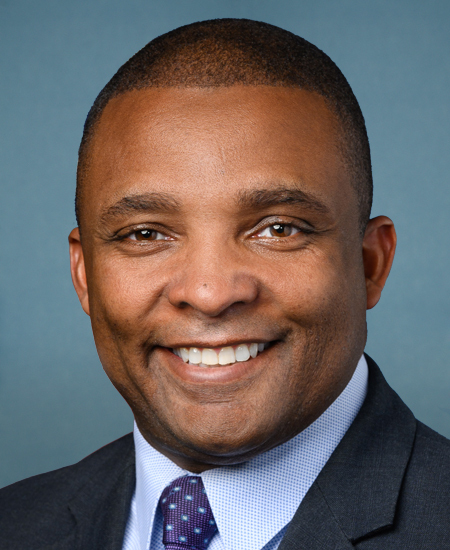
- Introducers/Sponsors: Introduced by Rep. Hanna; co-sponsors include Chrissy Houlahan, Ro Khanna, Robert Aderholt, Stephanie Bice, Don Davis, and Jake Auchincloss.
Main Purpose and Intent
- Create a structured federal program to gather genomic data (including long-read sequencing and genome assemblies) from organisms found in National Park System units.
- Build a publicly accessible genomic database, with protections to withhold personally identifiable information and sensitive collection locality data.
- Establish an implementation plan and organizational framework (a dedicated program office within the U.S. Geological Survey, with potential partnerships across other agencies and private entities).
- Expand sequencing and storage activities across designated National Park units and, potentially, other federally managed lands and facilities.
Key Provisions and Changes
- Definitions
- Clarifies terms such as “control,” “Department” (Interior), “foreign entity of concern,” “high-priority species,” “office,” “program,” and “Secretary.”
- Establishment and Purpose
- Establishes the America’s Living Library Project pilot program to collect genomic data from park-system species.
- Public genomic database to host long-read data, genome assemblies, annotations, and metadata, with privacy and security safeguards.
- Interagency Coordination (d. data and operations)
- Coordinate sampling, cataloging, and whole-genome sequencing of samples from animals, plants, fungi, and microbes in selected National Park units.
- Comply with ESA, Migratory Bird Treaty Act, MMPA, and other applicable permitting and legal requirements.
- Integrate taxonomy resources (e.g., ITIS, PLANTS Database, World Register of Marine Species) with the genomic data.
- Ensure long-term storage of collected samples.
- Program Office and Staffing
- Create a new or designate an existing office within the USGS to administer the program.
- Hire staff and enableContracting; authority to enter into agreements with federal agencies or private entities; accept in-kind contributions from biotech companies (with conflict-of-interest vetting).
- With consent of relevant agencies, utilize services of other federal agencies.
- Selection of National Park Units
- Initial selection: up to 5 National Park units within 180 days of enactment.
- Criteria include biological landscape, implementation feasibility, public engagement potential, research value, and geographic/ecological diversity.
- By 2 years after enactment, add 20 more units, with public notices detailing selections and rationale.
- Data and Cybersecurity Standards
- Adhere to federal data standards for biological data; ensure interoperability and metadata quality.
- Comply with endangered species policies where applicable; meet USGS data standards.
- Implement cybersecurity safeguards in accordance with NIST SP 800-53/800-111 (or successor frameworks).
- Long-Term Storage and Sample Management
- Samples remain owned by the original holder but may be housed in Smithsonian, USDA, or other repositories under repository agreements.
- Prioritize high-priority species for storage in both natural history collections and germplasm repositories.
- Prohibit transfer/export/loan of physical samples outside the U.S.
- In-country storage and curation; facilities must meet biosafety/biosecurity standards, with special handling for high-risk materials.
- Sampling Procedures
- Establish policies consistent with ESA, MMPA, Lacey Act, and related laws; develop sampling plans aligned with ongoing Department programs.
- Sequencing and Data Processing
- Partner with NIH, USDA, Smithsonian, and other agencies to sequence data; standardize sequencing protocols; implement automated data processing and quality checks.
- Tribal Consultation
- Requires engagement with American Indian Tribes in compliance with federal law and agency policies.
- Implementation Plan and Reports
- Within 180 days: submit an implementation plan detailing expansion, potential partnerships with private/public entities, and expansion to other federal lands and programs.
- Include pathways for non-public access for AI model development by US entities not controlled by foreign entities of concern.
- Preliminary report due within 3 years: methodological review, findings, and a plan for sustainable funding (including subscription models and partnerships for ongoing funding).
- Final report after program termination describing final findings.
- Funding
- Specific multiyear appropriations requested for: program oversight, sequencing, and storage across multiple agencies (Interior/USGS, Smithsonian, USDA, NIH/NCBI, etc.), with phased funding from FY2027 through FY2031.
- Examples of authorized amounts (non-exhaustive):
- Program oversight and sequencing in 5 initial units: $16.5 million/year for FY2027-2028; $36 million for FY2029; $54 million for FY2030-2031.
- Storage at Smithsonian: $3 million/year for 2027-2028; $7 million in FY2029; $10 million in FY2030-2031.
- USDA storage programs: $3 million/year 2027-2028; $6 million in FY2029; $9 million in FY2030-2031.
- Germplasm program storage: $1 million/year 2027-2028; $2 million in FY2029; $3 million in FY2030-2031.
- NIH/NCBI data storage: $5 million/year 2027-2028; $10 million in FY2029; $15 million in FY2030-2031.
- Termination
- The authority to carry out the program terminates 10 years after enactment.
Who and What Will Be Affected
- Federal Agencies: Interior (Secretary/USGS), National Park Service, Department of Agriculture, Smithsonian Institution, NIH/NCBI, and potentially the Defense Department for certain contracts.
- National Park Units: 5 initial units, with up to 20 additional units within two years, expanding to a broader set of park lands.
- Researchers and Institutions: Access to a centralized genomic database and standardized sequencing protocols; collaboration with universities and philanthropic partners for funding and research.
- Indigenous Tribes: Required tribal consultation and involvement in implementation.
Procedural and Timeline Highlights
- Enactment triggers: Implementation plan due within 180 days; initial unit selections within 180 days; public notices within 15 days of each unit selection.
- Expansion timeline: 20 additional units to be selected within 2 years; ongoing data standards and cybersecurity requirements throughout.
- Reporting: Preliminary methodological review due within 3 years; final report after program termination.
- Sunset: Program authority expires 10 years after enactment unless extended or renewed by future legislation.
Note: The bill emphasizes data stewardship, biosafety, tribal engagement, and interagency coordination, alongside substantial funding to establish a multi-institutional genomic living library sourced from the National Park System.





Start the Conversation
Be the first to share your thoughts on this petition. Your voice matters!