Bill
Sponsor avatar

BILL • US SENATE

S 4468

Supporting the Mental Health of Educators and Staff Act of 2026

119th Congress
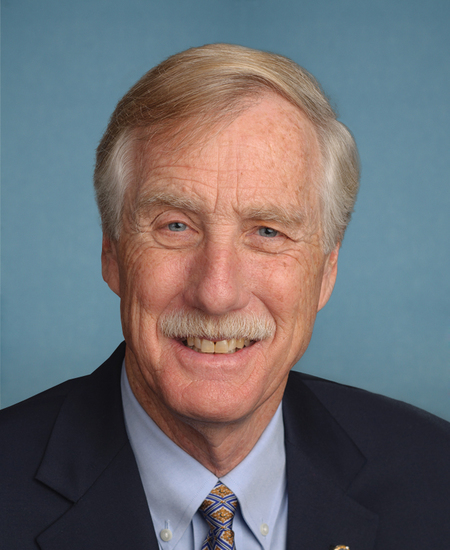
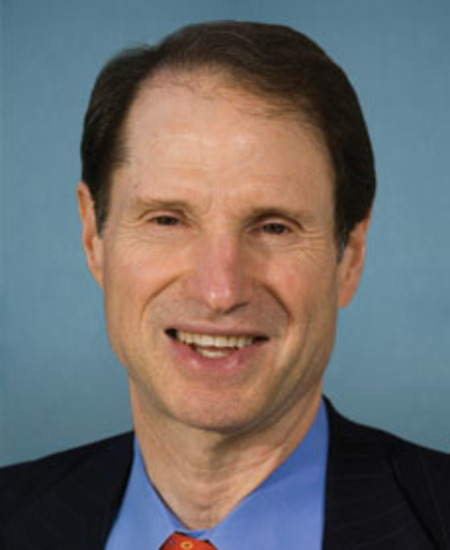
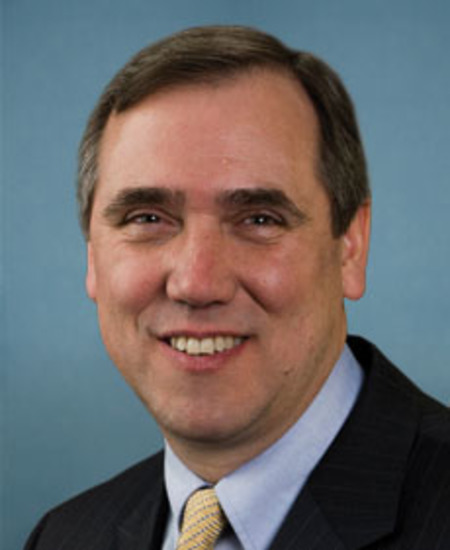
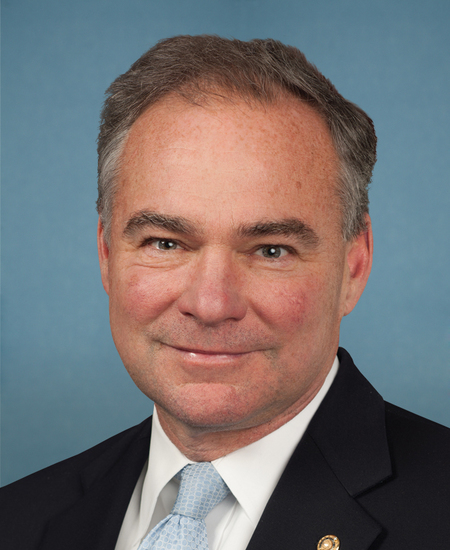
Introduced by Tim Kaine, Angus King, Jeff Merkley and 1 other co-sponsors

The bill funds and directs nationwide programs to improve educators’ mental health and resiliency, expand access to care (including telehealth), and reduce stigma.

Introduced in Senate
0
0
Bill Summary · S 4468

Overview

  • Bill: S. 4468, the Supporting the Mental Health of Educators and Staff Act of 2026
  • Session: 119th Congress (introduced April 30, 2026)
  • Principal sponsors: Tom Kaine (KAINE), Jeff Merkley, Angus King, Tim Kaine, Ron Wyden (co-sponsors)
  • Purpose: Address behavioral health, mental health, and resiliency among education professionals and other school staff; expand dissemination of best practices, education/awareness, and funding for programs to promote mental health and reduce stigma; improve coordination across federal agencies and track outcomes.

Main objectives and intent

  • Improve mental health and well-being of educators and school staff.
  • Prevent suicide and address risk factors for mental health and substance use disorders among education professionals.
  • Reduce stigma associated with seeking mental health care.
  • Build and disseminate evidence-based or evidence-informed practices for prevention, resiliency, and care.

Key provisions and changes

  1. Dissemination of Best Practices (Sec. 2)

    • Within 2 years of enactment, the Secretary of Health and Human Services, in consultation with the Secretary of Education, must identify and disseminate best practices for:
      • Preventing suicide and improving mental health/resiliency among education professionals and school staff.
      • Training such personnel in strategies to support and maintain their own mental health.
  2. Education and Awareness Initiative (Sec. 3)

    • Establish a national evidence-based/evidence-informed initiative to:
      • Encourage education professionals and school staff to seek mental health and substance use services.
      • Help staff identify risk factors for suicide and mental health conditions and respond appropriately.
      • Address stigma around seeking mental health and SUD services.
    • Report to Congress within 2 years on activities, outcomes, and metrics.
    • Authorized funding: $10 million per fiscal year for 2026–2028.
  3. Programs to Promote Mental Health among the Education Workforce (Sec. 4)

    • Creates new Programs to Promote Mental Health (within the Public Health Service Act) (SEC. 764B).
    • Grant/contract authority to eligible entities (State Education Agencies, Local Education Agencies, Institutions of Higher Education, or consortia) to:
      • Establish or enhance evidence-based programs for mental health and resiliency.
      • Eligible uses include increasing awareness of risk factors and signs of suicide, creating or expanding prevention programs, establishing peer-support programs, and providing mental health care or referrals (including telehealth) by licensed professionals.
    • Priority given to entities in areas with high poverty or significant Title I Part A funding.
    • Training Grants: Can fund inclusion of mental health and SUD strategies in educator preparation, training, and professional development.
    • Grant term: 3 years.
    • Authorized appropriations: $35 million per fiscal year for 2026–2028.
  4. Evaluation and Review of Education Workforce Mental Health (Sec. 5)

    • Requires a Secretary-led review within 2 years of enactment to evaluate:
      • Mental health outcomes among education professionals and staff.
      • Effects and effectiveness of authorized programs.
      • Barriers to accessing mental health care.
      • Impacts of COVID-19 on mental health and lessons for future public health emergencies.
      • Efficacy of training programs to promote resiliency.
    • The Secretary must report findings and recommendations to Congress.
  5. Government Accountability Office (GAO) Reporting (Sec. 6)

    • By not later than 4 years after enactment, GAO must report on:
      • How federal substance use disorder and mental health grant programs address the mental health and SUD conditions of education professionals and school staff.
      • Analysis of available evidence and data.
      • Whether there are duplicative goals/objectives among grant programs.
  6. Definitions and Administration

    • Defines eligible entities consistent with parts of the Elementary and Secondary Education Act and the Higher Education Act.
    • Outlines reporting requirements for grant recipients (annual reports).

Eligible recipients and funding

  • Grants/contracts to State and Local Educational Agencies, State educational agencies, institutions of higher education, and consortia.
  • Focus areas include program development, awareness and training, peer support, and direct or referral-based mental health services (including telehealth).
  • Funding scales:
    • Awareness/education initiatives: $10 million/year (FY 2026–2028).
    • Mental health programs: $35 million/year (FY 2026–2028).
  • Grant terms: 3 years per award.

Timeline and reporting

  • Implementation targets:
    • Best practices dissemination within 2 years of enactment.
    • Education/awareness initiative reporting to Congress within 2 years.
    • Program funding active FY 2026–2028.
    • Program and workforce review by Secretary within 2 years; GAO review within 4 years.
  • Annual reporting requirements for grant recipients.

Potential impact

  • Increased systemic emphasis on educator mental health and resiliency.
  • Expanded access to mental health resources for educators and school staff, including telehealth options.
  • Greater transparency about program effectiveness and potential duplication across federal grant programs.
  • Potential improvement in school climate, reduced stigma around seeking help, and better identification and support for at-risk staff.

Stakeholders likely affected

  • Education professionals and school staff (teachers, administrators, support staff).
  • State and local educational agencies and school districts.
  • Institutions of higher education and educator preparation programs.
  • Mental health professionals and organizations involved with school-based services.
  • Federal agencies (HHS, ED, GAO) coordinating implementation and oversight.

Hi! I'm your AI assistant for S 4468. I can help you understand its provisions, impacts, and answer any questions.

Key Provisions Impacts Timeline
Sign in to chat

Start the Conversation

Be the first to share your thoughts on this petition. Your voice matters!

Share your opinion above