Bill
Sponsor avatar

BILL • US HOUSE

HR 6485

Skinny Labels, Big Savings Act

119th Congress
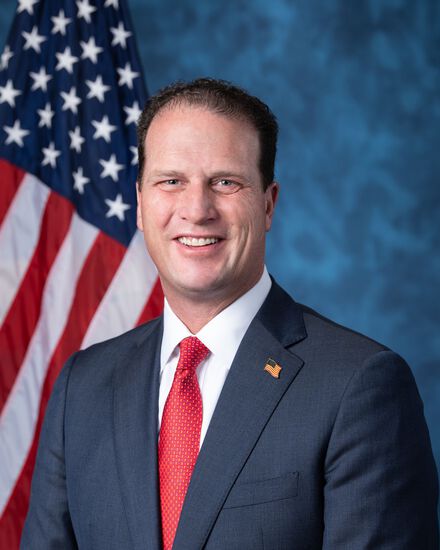
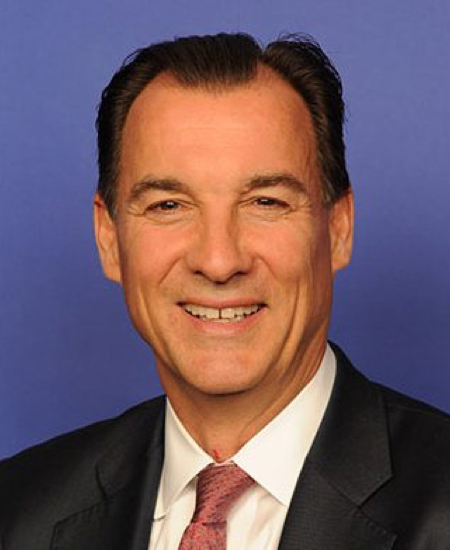
Introduced by Ben Cline, Zoe Lofgren, August Pfluger and 1 other co-sponsors

The bill provides a safe harbor allowing patent owners of drug or biologic method-of-use claims to submit labeling and promote approved products without infringing, if labeling inc

Introduced in House
0
1
Bill Summary · HR 6485

Overview

  • Bill: HR 6485, the Skinny Labels, Big Savings Act
  • Session: 119th Congress (introduced Dec 5, 2025)
  • Intent: Create a safe harbor from patent infringement for certain method-of-use patents tied to drugs and biological products when applicants seek regulatory approval using labeling that describes the patented use.

Main purpose and intent

  • To amend 35 U.S.C. § 271 to provide explicit safe harbor protections for patent owners with method-of-use claims related to drugs or biological products.
  • The safe harbor aims to facilitate approval and marketing of products (where applicable) by allowing regulatory submissions and certain promotional activities that describe the patented method of use without constituting direct, induced, or contributory infringement, under specified conditions.

Key provisions and changes

  • Structural amendments to Section 271:
    • Re-designates certain subsections (h and i become k and l) and adds new subsection (h) after (g).
  • Safe harbor for method-of-use patent claims (drug/biologic context):
    • Subsection (h)(1) provides that certain actions do not constitute infringement:
    • Submitting or seeking approval for a regulatory application under:
      • Section 505(j) or 512(b)(2) of the Federal Food, Drug, and Cosmetic Act (FDCA), or
      • Section 505(b)(2) of FDCA
    • As long as the application includes a statement identifying the method-of-use claims and the labeling proposed in the application.
    • Promoting or commercially marketing a drug product with the labeling approved in such an application.
    • Describing a listed drug as a generic or therapeutically equivalent to the referenced drug, as applicable.
    • Subsection (h)(2) conditions:
    • The protections apply only if labeling, promotion, or marketing does not reference the patented use as claimed unless the patent owner’s identified use is disclosed in the labeling.
  • Safe harbor for biologics (biosimilars) under (i):
    • Subsection (i)(1) provides similar non-infringing actions for method-of-use claims relating to biological products:
    • Submitting or seeking approval of a biosimilar application under 351(k) of the Public Health Service Act.
    • Describing a biosimilar as interchangeable with the reference product when the patented use is not claimed or the product is not approved for that patented use.
    • Promoting or marketing the biosimilar with labeling approved in the biosimilar application.
    • Subsection (i)(2) mirrors the labeling limitation: the non-infringing actions apply only if the labeling/promotion does not reference the patented use unless the patent’s claimed use is specifically reflected in prescribing information.
  • Definitions (section (j)):
    • Clarifies terms: biological product, biosimilar, interchangeable, reference product, labeling, commercial marketing, and promoting, with references to FDCA provisions and 21 C.F.R. definitions.
  • Effective date and applicability (section (b)):
    • Applies to conduct before, on, or after enactment.
    • Applies to all ongoing or pending judicial or other proceedings as of enactment.

Who/what is affected

  • Direct effects:
    • Patent owners with method-of-use claims on drugs or biological products.
    • Regulatory applicants seeking FDA or FDA-referenced approvals (including 505(j), 512(b)(2), 505(b)(2) submissions) that describe the patented use in proposed labeling.
    • Pharmaceutical and biotech sponsors involved in labeling, marketing, or biosimilar development and competition.
  • Indirect effects:
    • Potentially alters strategic considerations around labeling and promotion for drugs and biosimilars, by providing clearer immunity from certain infringement claims when compliant with the specified filing and labeling conditions.

Procedural and timeline aspects

  • Legislative status:
    • Introduced in the House (Dec 5, 2025) and referred to the Judiciary Committee.
  • Scope:
    • Applies to conduct occurring on or after enactment and to all pending matters as of enactment.
  • No budgetary or regulatory agency implementation details are provided in the text available.

Potential impacts and considerations

  • Benefits:
    • Could reduce litigation risk for parties seeking regulatory approval of drugs/biologics with labeled uses that align with patented method claims.
    • May lower costs and speed to market for certain products when the claimed use relies on labeling that describes the method.
  • Considerations:
    • The safety and consumer protection implications depend on how “method of use” claims are leveraged in labeling and marketing, and how FDA-regulated labeling is coordinated with patent disclosures.
    • Interaction with existing exclusivity and patent litigation frameworks would be important for stakeholders to evaluate.

Hi! I'm your AI assistant for HR 6485. I can help you understand its provisions, impacts, and answer any questions.

Key Provisions Impacts Timeline
Sign in to chat

Start the Conversation

Be the first to share your thoughts on this petition. Your voice matters!

Share your opinion above