Summary of H.Res. 1247 (119th Congress) – Major Richard Star Act
Note: This is a House Resolution (not a bill to become law). It expresses the sense of the House and typically does not itself create statutory changes. The following summary reflects the information available from the bill’s title, sponsor information, and standard purposes of similar resolutions.
Purpose and intent
- The primary aim of H.Res. 1247, titled the Major Richard Star Act, is to recognize and commend the service and sacrifices of members of the U.S. armed forces who have sustained injuries or disabilities related to their service, and to address issues related to veterans’ benefits or support associated with these service-connected conditions.
- As a resolution, it typically serves to draw attention to veterans’ matters, urge specific agencies or bodies to take action, or commend individuals or groups. The resolution may express support for policies, programs, or personnel who assist veterans.
Key provisions and changes
- Expressions of support: The resolution will likely express the sense of the House regarding appropriate recognition and support for veterans with service-connected disabilities.
- Remedial or policy recommendations: It may urge the Department of Veterans Affairs, the Department of Defense, or other federal agencies to analyze or adjust policies to improve benefits, healthcare access, or disability criteria for veterans affected by major service-related injuries.
- Commemoration and awareness: Provisions to honor Major Richard Star Act’s namesake or the broader legacy of veterans who face service-connected challenges.
Important note: As a concurrent/expressions resolution, H.Res. 1247 does not itself implement new federal programs, authorize spending, or create new legal rights or obligations. Instead, it signals the House’s position and may influence subsequent actions by agencies or committees.
Who is affected
- Veterans with service-connected injuries or disabilities and their families, particularly those whose benefits processes or healthcare access are impacted by policy language related to the resolution.
- Federal agencies involved in veterans’ affairs, including the Department of Veterans Affairs (VA) and the Department of Defense (DoD), which may be urged to review, report on, or adjust policies.
- Members of the House and veterans advocacy groups, who may use the resolution as a basis for awareness campaigns or legislative advocacy.
Procedural/timeline aspects
- Action history:
- 2026-04-30: Referred to the House Committee on Rules.
- 2026-04-30: Submitted in the House.
- Sponsors:
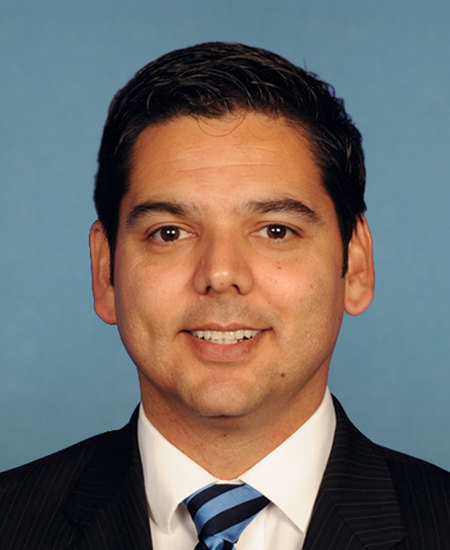
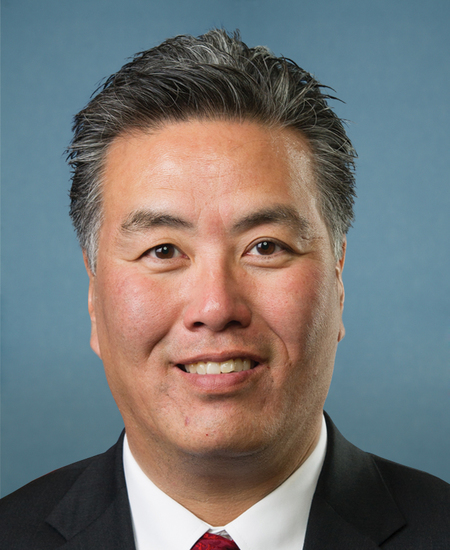
- Co-sponsors: Raul Ruiz, Mark Takano
- Next steps (typical for a House Resolution):
- Committee consideration (Rules Committee has jurisdiction for resolutions; may determine timing, floor debate, or amendments).
- Floor consideration and vote in the House.
- If passed by the House, the resolution does not go to the Senate for approval in the same way a bill does; it may serve as a basis for messaging, subsequent legislation, or targeted actions by federal agencies.
Practical implications
- The resolution’s impact is primarily symbolic and aspirational, guiding congressional sentiment and urging administrative review or action.
- It can influence policy discussions, prompt agency reports or inquiries, and support advocacy efforts for veterans’ benefits and services.
If you’d like, I can include any available text excerpts from H.Res. 1247 or compare it to prior Major Richard Star Act-related resolutions to provide historical context.



Start the Conversation
Be the first to share your thoughts on this petition. Your voice matters!