
Bill
Sponsor avatar

BILL • US HOUSE

HR 7223

Language Access for All Act of 2026

119th Congress
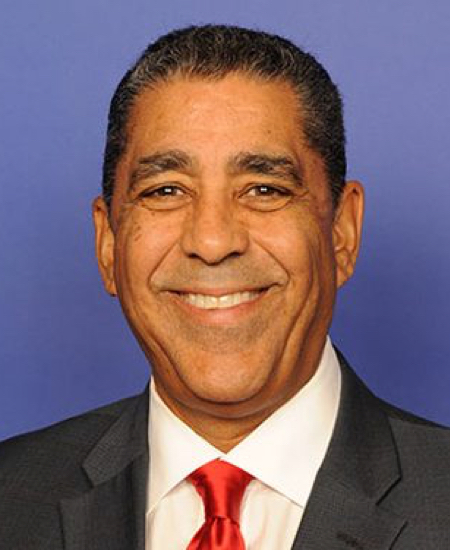
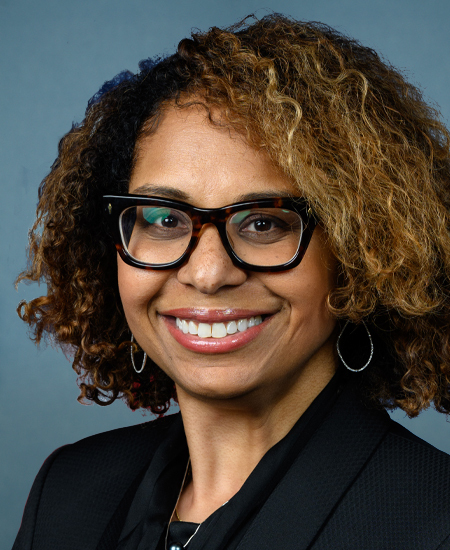
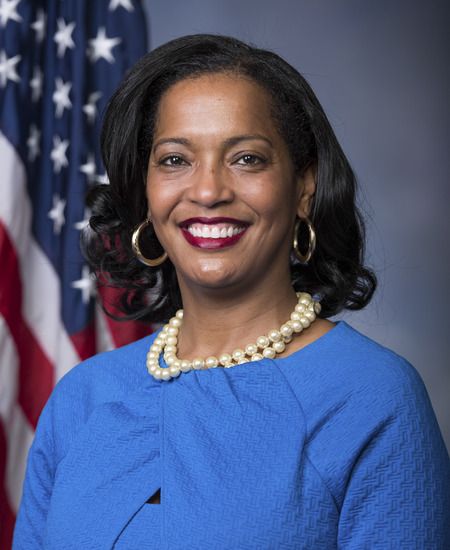
Introduced by Nanette Barragán, Ami Bera, André Carson and 27 other co-sponsors

The act requires federal agencies to ensure meaningful, cost-free language access for LEP individuals by implementing comprehensive plans, multilingual services, and accountability

Introduced in House
0
0
Bill Summary · HR 7223

Overview

  • Bill: HR 7223
  • Session: 119th Congress
  • Title: Language Access for All Act of 2026
  • Purpose: To improve access to federal services for individuals with limited English proficiency (LEP) and strengthen language access requirements across federal agencies.

Main purpose and intent

  • Ensure meaningful, cost-free access to federally conducted programs and activities for LEP individuals.
  • Establish a formal framework for agencies to plan, implement, monitor, and improve language access.
  • Create centralized transparency and oversight mechanisms, including public complaint tracking and interagency coordination.

Key provisions and changes

a) General requirements for meaningful access (Section 2)

  • Agencies must, within 1 year of enactment, ensure LEP individuals can meaningfully access programs and activities.
  • Mandatory actions include:
    • Translating vital documents into frequently encountered languages and the dominant U.S. languages based on Census data.
    • Adding multilingual functionality to agency digital systems to identify and fulfill language needs.
    • Providing oral interpretation, sight translation, and telephonic/remote interpretation.
    • Allowing the use of demonstrably bilingual agency staff as an alternative to external interpreters/translators when appropriate.
    • Publicizing language assistance options (interpreters, translations, bilingual staff) via multilingual notices in materials and facilities.
    • Training frontline staff on implementing the agency’s language access plan.

b) Public complaint and tracking system (Section 2)

  • Attorney General must establish a publicly accessible system for LEP-related barriers.
  • Agencies must respond to complaints within 60 days.
  • DOJ must publish an annual, disaggregated complaints report by agency, language, and program.

c) Language Access Plan (Section 2)

  • Agencies must establish a comprehensive plan within 1 year, aligned with:
    • Language Access Technical Standards.
    • Existing LEP guidance and federal civil rights guidance.
    • Identification of LEP populations likely to seek agency services.
    • Plans for multilingual communications, including emergency response scenarios.
    • Monitoring, evaluation, and continuous improvement provisions with:
    • Regular assessments of LEP needs and plan effectiveness.
    • Measurable performance indicators (timeliness, accuracy, quality).
    • Data collection on service usage and barriers.
    • Periodic internal civil rights reviews and corrective action processes.
  • Public notice and a 60-day Federal Register comment period on proposed plans.
  • Final plan published in the Federal Register; submitted to the Attorney General and key congressional committees.

d) Language Access Technical Standards (Section 2, subsection c)

  • Within 1 year, agencies must establish standards with input from the Attorney General, NIST, and community stakeholders.
  • Standards criteria include:
    • Access to written content in preferred languages.
    • System functionality, quality, and timeliness across all languages.
    • User-friendly interfaces mindful of literacy and digital skills.
    • Cultural relevance.
  • Undue burden exception allows agencies to request waivers from the Attorney General with justification and alternatives; waivers valid for up to 2 years.
  • Public participation required before setting or updating standards; periodic review every 3 years; annual compliance certification to the Attorney General.
  • Standards apply to all agency programs and communications, including AI-assisted language services.

e) AI and automated language services (Section 2, subsection d)

  • AI services may not fully replace qualified language staff.
  • Agencies must have qualified human translators/ interpreters verify AI outputs.
  • Transparency requirements: annual disclosure on LEP.gov of data sources, limitations, confidence levels, and error rates.
  • Privacy and security obligations (Privacy Act, FISMA, E-Government Act).
  • AI services must be tested for discrimination; reviewed by qualified translators; ongoing performance monitoring and corrective actions.
  • AG to issue best-practices guidance within 1 year.
  • Inspectors General must audit AI language systems every two years; public summary via DOJ.
  • NIST to support technical expertise and standardization for AI-language tools.

f) Interagency coordination and personnel (Sections e–f)

  • Interagency Language Access Standards Council convened by GSA Administrator to coordinate updates and research.
  • Language Access Working Group established, including an agency Language Access Coordinator from each agency and the Attorney General; Attorney General leads.
  • Creation of a Language Access Coordinator position in each agency to:
    • Serve as a point of contact.
    • Ensure mandatory annual training for relevant staff.
    • Identify opportunities to broaden LEP accessibility.
    • Annually assess and propose updates to the language access plan, including cost considerations.

g) Noncompliance and enforcement (Section g)

  • Noncompliance treated as discrimination under Title VI; DOJ enforcement authority granted (investigations, administrative actions, civil remedies).
  • Remedies may include administrative, civil, or injunctive actions.

h) Definitions (Section h)

  • Key terms: agency, individual with LEP, language assistance services, meaningful access, primary language, program or activity, qualified interpreter or translator, vital document.
  • Clarifies criteria for qualified interpreters/translators and the scope of programs and documents covered.

Who is affected

  • All federal agencies and their programs/activities involving public contact.
  • Individuals with LEP who interact with federal services.
  • Interpreters, translators, bilingual staff, and language service providers.
  • Oversight bodies: Attorney General, Inspector General, General Services Administration, NIST, and relevant congressional committees.

Procedural and timeline aspects

  • Initial implementation: agencies must act within 1 year of enactment to establish plans, standards, and multilingual capabilities.
  • Public engagement: 60-day Federal Register comment on each agency plan.
  • Compliance certification: annual certification of standards compliance.
  • Public repository: LEP.gov centralizes plans and related information.
  • Audits: IGs to audit AI language systems at least every 2 years; public summary of findings.
  • Ongoing updates: standards reviewed every 3 years; interagency coordination mechanisms maintained.

Potential impact

  • Enhanced accessibility of federal programs for LEP individuals.
  • Increased transparency and accountability in how agencies provide language services.
  • Institutionalization of multilingual communications, emergency response language planning, and culturally appropriate translations.
  • More robust use and oversight of AI-assisted language tools with human verification and privacy protections.
  • Possible upfront costs for translation, staffing, and technology; offset by formalized compliance and potential efficiency gains through bilingual staff and streamlined processes.

Hi! I'm your AI assistant for HR 7223. I can help you understand its provisions, impacts, and answer any questions.

Key Provisions Impacts Timeline
Sign in to chat

Start the Conversation

Be the first to share your thoughts on this petition. Your voice matters!

Share your opinion above