Summary of HR 7343 — Foster Youth Workforce Opportunity Act
Date introduced: February 4, 2026
Jurisdiction: United States Congress (House, 119th Congress)
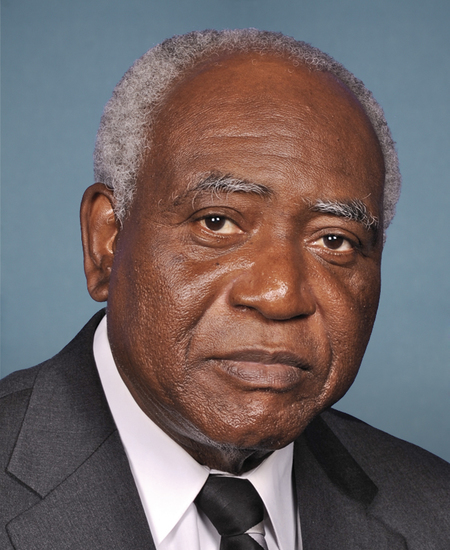
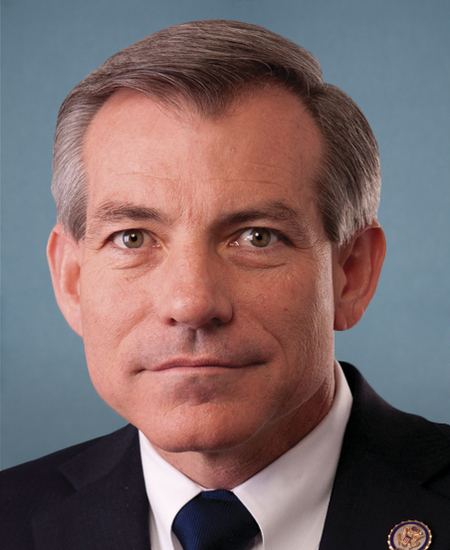
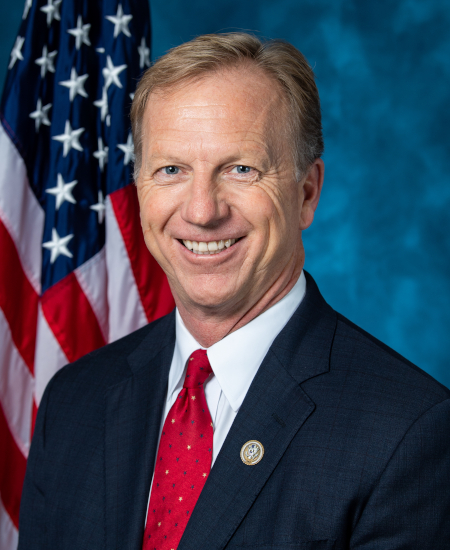
Sponsor(s): Reps. Miller (OH) and Evans (PA), with multiple original and additional co-sponsors including Schweikert, Hern, Smith, Miller, Davis, Evans, and Malliotakis.
Committee: Ways and Means (referred upon introduction)
Status: As of the latest action, ordered to be reported (substitute) by a voice vote after committee consideration and markup on April 29, 2026.
Purpose and Intent
The Foster Youth Workforce Opportunity Act aims to expand education and workforce training opportunities for individuals who have experienced foster care. The bill makes targeted changes to existing provisions of the Social Security Act (Section 477) to broaden eligibility and the types of supports available, with the overarching goal of improving postsecondary access, credential attainment, and long-term employment prospects for foster youth.
Key Provisions and Changes
Terminology and Eligibility Timing
- Replaces the phrase “aged out of foster care” with “experienced foster care at age 14 or older” in two subsections, signaling an earlier recognition of foster care exposure for program eligibility.
- Lowers the age reference for participation from 16 to 14 in two subsections, expanding access to younger foster youth.
Participation Duration
- Modifies the maximum program participation duration:
- General cap remains at 5 years.
- For youth involved in remedial education activities (defined in the bill), the cap increases to 6 years.
- The change ensures extended support for those who require additional time to complete education or training.
Educational and Training Coverage (Section 477(i)(4))
- Expands permissible costs for education and training to include:
- Costs of attendance at:
- Institutions of higher education (including community colleges and postsecondary vocational schools) as defined under the Higher Education Act.
- Short-term training programs eligible for the Workforce Pell program (as described in the referenced section of the Higher Education Act).
- Reorganizes the subparagraph structure, with explicit designation of eligible costs for general training and education.
- Additional explicit allowances for:
- Apprenticeship program participation costs.
- General Education Development (GED) or equivalent through a separate subsection.
- Remedial education costs.
Remedial Education Definition
- Adds a new, explicit definition of "remedial education" within Section 477(i) to mean education or skill training necessary to obtain a high school diploma or to qualify for postsecondary education, training, or an apprenticeship.
- Conditions for remedial education:
- Not provided by the local school district or other free local, state, or federal programs.
- Must be delivered by an instructor with credentials relevant to the subject area, as determined by the state.
Effective Date
- The Act’s amendments take effect one year after enactment.
Who Is Affected
- Youth who have experienced foster care, beginning at age 14 (instead of 16 in prior interpretation) and up through age limits established by the program provisions, who are participating in education or workforce training under Section 477.
- Eligible providers of education and training, including:
- Colleges, universities, community colleges, and postsecondary vocational institutions.
- Short-term training programs eligible for the Workforce Pell program.
- Apprenticeship programs and remedial education providers that meet the credentialing requirements outlined.
Potential Impact
- Increased access to higher education, short-term training, apprenticeship programs, and remedial education for foster youth.
- Earlier eligibility (starting at age 14) could lead to longer planning horizons and earlier intervention in education and career pathways.
- The remedial education definition and credential requirements aim to elevate the quality and relevance of remedial offerings, ensuring they are instructor-led and credentialed.
- Extended time limits for those in remedial education may improve completion and credential attainment, potentially enhancing long-term employment outcomes.
Timeline and Administrative Aspects
- Effective date: One year after enactment.
- Funding and administration would likely be implemented under the Social Security Act framework, with ongoing oversight by relevant federal agencies (e.g., the Department of Health and Human Services and the Department of Education, consistent with Section 477 programs).
- The bill awaits final legislative action and any potential amendments or offsets to funding.





Start the Conversation
Be the first to share your thoughts on this petition. Your voice matters!