Bill
Sponsor avatar

BILL • US SENATE

SRES 753

A resolution expressing the sense of the Senate to reduce traffic fatalities to zero by 2050.

119th Congress
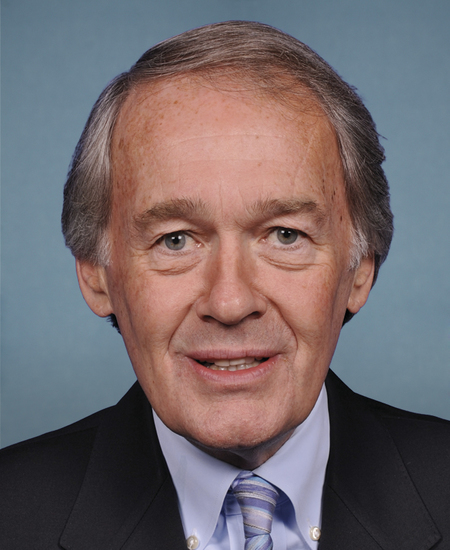
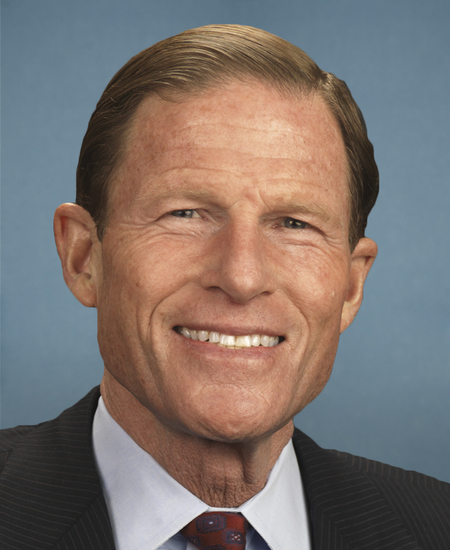
Introduced by Richard Blumenthal, Chris Van Hollen, Ed Markey and 3 other co-sponsors

Declares a goal to end roadway fatalities by 2050 and urges interagency action, data-driven safety, and a safe‑systems approach to achieve zero deaths.

Submitted in Senate
0
0
Bill Summary · SRES 753

Bill at a Glance

  • Bill: S. Res. 753 (Senate Resolution)
  • Session: 119th Congress, 2nd Session
  • Purpose: Expresses the sense of the Senate to reduce roadway fatalities to zero by 2050.
  • Status: Submitted May 21, 2026; referred to the Committee on Commerce, Science, and Transportation.
  • Sponsors (and co-sponsors): Prime sponsor Sen. Blumenthal; co-sponsors Sen. Merkley, Sen. Sanders, Sen. Smith (Tina Smith), Sen. Van Hollen, Sen. Markey, with additional support noted.

What the bill expresses

  • A non-binding resolution articulating a national policy goal: eliminate all roadway fatalities by 2050.
  • Calls on Congress and the Department of Transportation (DOT) to collaborate toward achieving zero roadway fatalities by 2050.
  • Emphasizes a data-driven "safe systems" approach to transportation safety, recognizing that responsibility for safety should be shared across multiple actors and sectors.
  • Encourages a shift in language to use the term “crash” rather than “accident” when describing traffic incidents, and urges federal agencies to adopt that terminology.

Key provisions and requested actions

  1. Policy Commitment

    • The Senate commits to advancing policies aimed at ending roadway fatalities by 2050.
    • Acknowledges the objective as a national safety priority and urges federal leadership and interagency coordination.
  2. Interagency Cooperation

    • Urges Congress and the DOT to work together to achieve zero fatalities by 2050.
    • Encourages alignment across Federal agencies and programs to support safety goals.
  3. Safety Equity and Disparities

    • Supports efforts to address transportation safety disparities (e.g., among different communities or populations).
  4. Data Collection and Transparency

    • Calls on the DOT and its agencies to improve data gathering and tracking of traffic crashes and related safety issues.
    • Emphasizes data-driven decision-making to guide interventions and policy choices.
  5. Implementation of Countermeasures

    • Encourages commitment to implementing countermeasures and safety interventions that prioritize transportation safety.
    • Supports a safe systems approach, which considers the entire transportation environment (infrastructure, vehicle design, user behavior, post-crash response, etc.).
  6. Terminology and Communication

    • Advocates using the term “crash” instead of “accident” to describe traffic events.
    • Urges federal agencies to adopt this terminology in official communications.

Who is affected

  • Federal government agencies, particularly the Department of Transportation and its sub-agencies.
  • Policymakers and Congress, which are urged to pursue coordinated, safety-focused actions toward the zero-fatality goal.
  • Public safety researchers, data analysts, and transportation planners who rely on standardized data collection and reporting.
  • The general public, including road users, who would benefit from improved safety standards, infrastructure, and vehicle technologies.

Procedural and timeline aspects

  • This is a non-binding Senate resolution, signaling Senate intent rather than mandating specific statutory requirements or funding.
  • No explicit funding authorization or schedule is included in the text provided.
  • The resolution is a policy statement intended to guide future legislative and executive actions, potentially influencing forthcoming bills, regulatory measures, and safety programs aimed at reducing fatalities.

Potential impact and considerations

  • Sets a bold national target that could galvanize interagency collaboration, research funding, and program development in vehicle safety, road design, enforcement, and post-crash care.
  • Highlights the importance of a comprehensive, “safe systems” approach, potentially encouraging standards for vehicle technologies (e.g., advanced driver-assistance systems, crashworthiness), infrastructure improvements (signage, lighting, road markings), and data modernization.
  • The emphasis on data quality and standardized terminology may improve crash reporting, safety analytics, and accountability.
  • As a resolution, it does not in itself mandate changes or allocate resources; its effectiveness depends on subsequent legislation, appropriations, and regulatory action aligned with the zero-fatality objective.

Hi! I'm your AI assistant for SRES 753. I can help you understand its provisions, impacts, and answer any questions.

Key Provisions Impacts Timeline
Sign in to chat

Start the Conversation

Be the first to share your thoughts on this petition. Your voice matters!

Share your opinion above