Overview
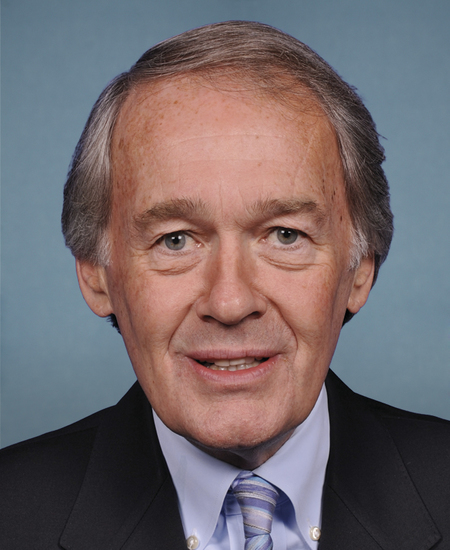
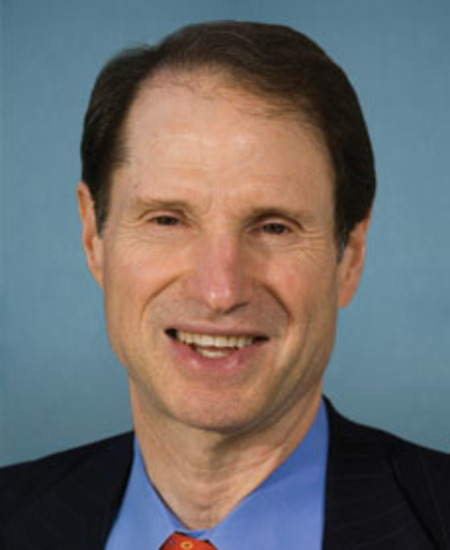
S. 4725 is a bill introduced in the 119th United States Congress that amends the Food, Agriculture, Conservation, and Trade Act of 1990. Its central aim is to elevate support for natural climate solutions (NCS) by establishing high-priority research and extension grants. The bill is sponsored or co-sponsored by several notable Senators, including Elizabeth Warren, Ron Wyden, Jeff Merkley, Bernie Sanders, and Ed Markey, and was referred to the Senate Committee on Agriculture, Nutrition, and Forestry after introduction.
Purpose and intent
- To advance natural climate solutions by creating targeted funding for high-priority research and extension activities.
- To accelerate the development, validation, and deployment of NCS practices that sequester carbon and reduce greenhouse gas emissions in soil, forests, wetlands, and agricultural systems.
- To integrate science-based findings into practical, on-the-ground applications and farmer/landmanager adoption.
Key provisions
- Amendments to the Food, Agriculture, Conservation, and Trade Act of 1990 to designate a new grant program or a prioritized funding pathway specifically for NCS research and extension.
- Establishment of criteria for selecting high-priority NCS research topics and extension objectives, with emphasis on scalability, cost-effectiveness, and measurable climate benefits.
- Allocation mechanics for federal funding, including how grants are awarded (e.g., competitive grants, formula grants, or a hybrid approach) and what entities are eligible (e.g., land-grant universities, extension services, non-profit research organizations, tribal governments, and potentially industry partners).
- Requirements for grant monitoring and reporting to ensure accountability and measurable outcomes related to climate benefits, co-benefits (e.g., soil health, water quality, biodiversity), and adoption rates among producers.
- Provisions to coordinate with related federal programs and agencies to avoid duplication and maximize impact across agricultural, forestry, and land-use sectors.
Who/what would be affected
- Researchers and extension agents in universities, national labs, and extension services would gain new funding opportunities for NCS-focused work.
- Agricultural producers, forest managers, and landowners could benefit indirectly through more rapid development and dissemination of climate-smart practices.
- Federally funded institutions and consortia involved in climate and agricultural research would be potential recipients of high-priority NCS grants.
- Agencies administering agricultural and climate programs would implement the grant criteria, reporting, and oversight requirements.
Procedural and timeline aspects
- Status: Introduced in the Senate and referred to the Committee on Agriculture, Nutrition, and Forestry as of the latest action (June 9, 2026).
- Next steps typically include committee hearings, potential amendments, and a committee vote before floor consideration.
- If enacted, implementing regulations and guidance would be issued to define grant cycles, application processes, performance metrics, and enforcement mechanisms.
Potential impact
- By prioritizing NCS research and extension, the bill aims to bolster the evidence base and practical uptake of climate-smart practices in agriculture and land management.
- Could accelerate innovation in carbon sequestration, soil health, regenerative agriculture, and ecosystem-based approaches across farms and forests.
- May enhance cross-agency coordination and mobilize additional federal investments toward climate resilience in the agricultural sector.
Note: This summary reflects the bill’s stated objectives and provisions based on the available summary and action history. Exact statutory text would provide precise grant definitions, eligibility, funding levels, and reporting requirements.






Start the Conversation
Be the first to share your thoughts on this petition. Your voice matters!