

WeVote

Bill

Bill

SF 5166

Working group on ending land disposal of mixed municipal solid waste establishment

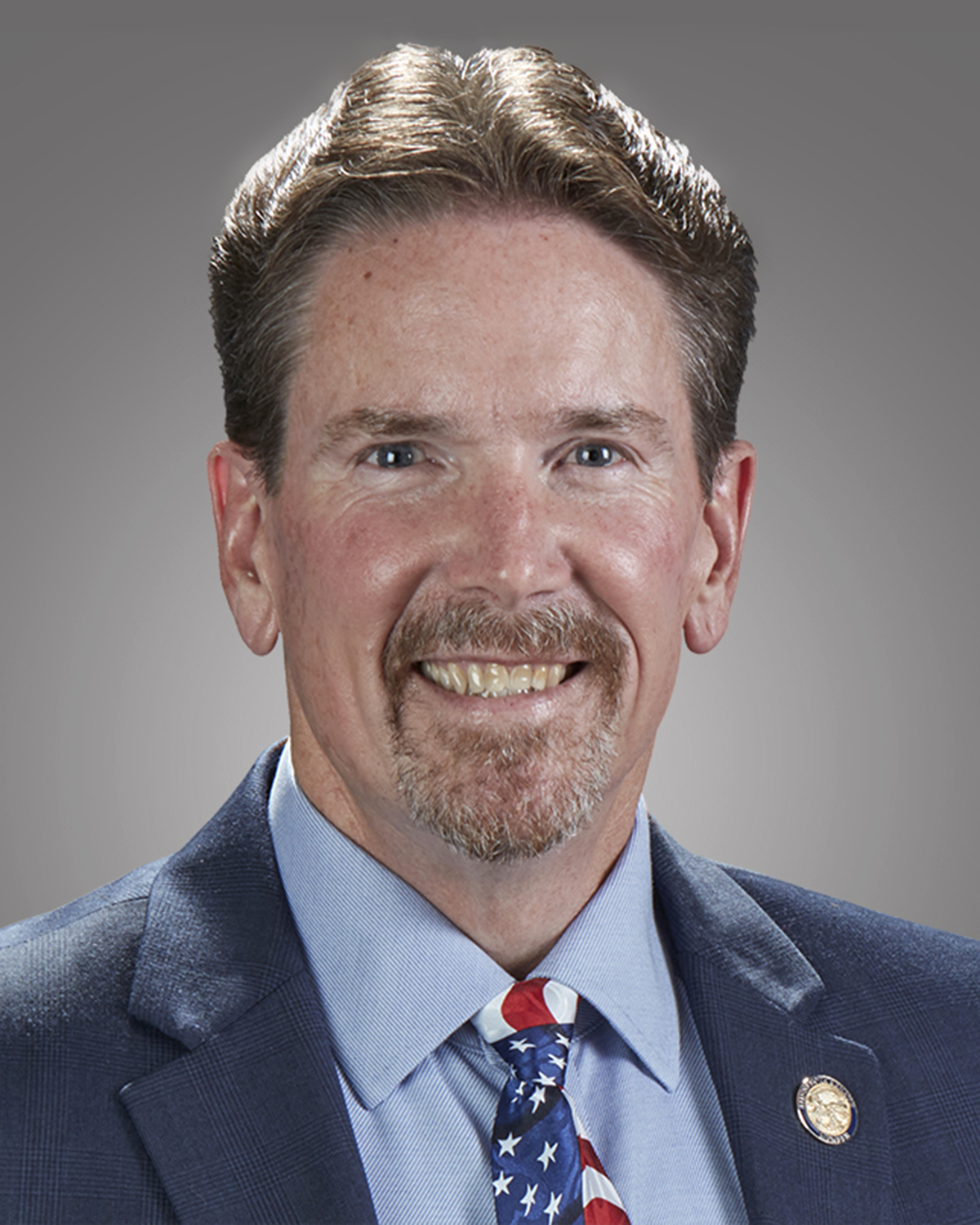
2025-2026 Regular Session Introduced by Mark Koran

Creates a working group to end landfilling mixed MSW in Minnesota, with a 2040 goal and a 2029 report detailing steps, costs, and savings.

Referred to Environment, Climate, and Legacy
0
WeVote Research Nonpartisan
Bill Summary · SF 5166

Summary of SF 5166 (2025-2026) — Working group on ending land disposal of mixed municipal solid waste ( Minnesota )

Purpose and intent

  • Establishes a formal working group to study and develop steps to end the practice of landfilling mixed municipal solid waste (MSW) in Minnesota.
  • Requires a report with findings and recommendations to the Legislature by January 1, 2029, outlining a path to eliminate landfilling by 2040 and evaluating associated costs and savings.

Key provisions

Section 1: Working group on ending land disposal of mixed municipal solid waste

  • Establishment: The Commissioner of the Pollution Control Agency (PCA) must establish the working group.
  • Membership (21 members):
    • 1 member of the PCA or the commissioner’s designee.
    • 1 member of the House of Representatives, appointed by the Speaker.
    • 1 member of the Senate, appointed by the Senate Majority Leader.
    • 6 elected county officials, appointed by the Association of Minnesota Counties.
    • 2 representatives of the solid waste industry, appointed by the governor.
    • 2 representatives of environmental groups, appointed by the governor.
    • 2 representatives of business interests, appointed by the governor.
    • 3 members of the public appointed by the Senate Majority Leader.
    • 3 members of the public appointed by the Speaker of the House.
  • Timeline for appointments: All appointments must be made no later than October 1, 2026.
  • Compensation and expenses: Members receive per-day compensation and expenses according to state statute and relevant plans for boards/commissions (mirroring compensation structure under Minn. Stat. § 15.0575, subd. 3, and Minn. Stat. § 43A.18, subd. 2).
  • Duties and report:
    • The group must study steps to end land disposal of mixed MSW and report findings and recommendations to the chairs and ranking minority members of the legislative committees/divisions with environment and natural resources jurisdiction by January 1, 2029.
    • The report must include:
    • Steps that, if implemented in 2029, would eliminate landfilling in Minnesota by 2040.
    • An assessment of the monetary and other costs of implementing each step, including impacts on state and local governments, businesses/industry, households, and the public.
    • An assessment of long-term cost savings likely to result if each step is implemented.
  • Open meetings: Meetings are subject to Minnesota’s open meetings laws (Chapter 13D).
  • Expiration: The working group expires upon submission of the required report and recommendations.

Section 2: Appropriation

  • Funding: A one-time appropriation of $250,000 in Fiscal Year 2027 from the general fund to the PCA for expenses of the working group.
  • Availability: Funds are available until June 30, 2029.

Who is affected

  • Government entities: PCA, state and local governments involved in solid waste management.
  • Legislative participants: Agency staff and elected officials at the state and local levels (county officials, House, Senate members).
  • Stakeholders:
    • Solid waste industry, environmental groups, and general business interests.
    • Members of the public appointed to the group.
  • General public: Ultimate impact through policies and costs/savings associated with transitioning away from land disposal of MSW.

Procedural and timeline notes

  • Appointments to the working group due by October 1, 2026.
  • Initial work and meetings would occur under Chapter 13D open meetings rules.
  • Final report and recommendations due by January 1, 2029.
  • A one-time $250,000 appropriation is provided for group operations, available through June 30, 2029.

Potential implications and considerations

  • Establishes a structured, multi-stakeholder framework to address a significant waste management policy shift.
  • Requires comprehensive cost-benefit analysis, including impacts on local governments, businesses, and residents, with an eye toward achieving zero land disposal by 2040.
  • Financial support is limited to a one-time funding source, warranting consideration of long-term financing needs in implementing recommended steps.

Compiled from official sources — confirm details with the bill’s official record.

Sign in to ask a question.