

WeVote

Bill

Bill

SB 161

Worker's compensation: disabilities; presumption of causation of heart and respiratory diseases; extend to certain members of police, fire, and public safety departments. Amends sec. 405 of 1969 PA 317 (MCL 418.405).

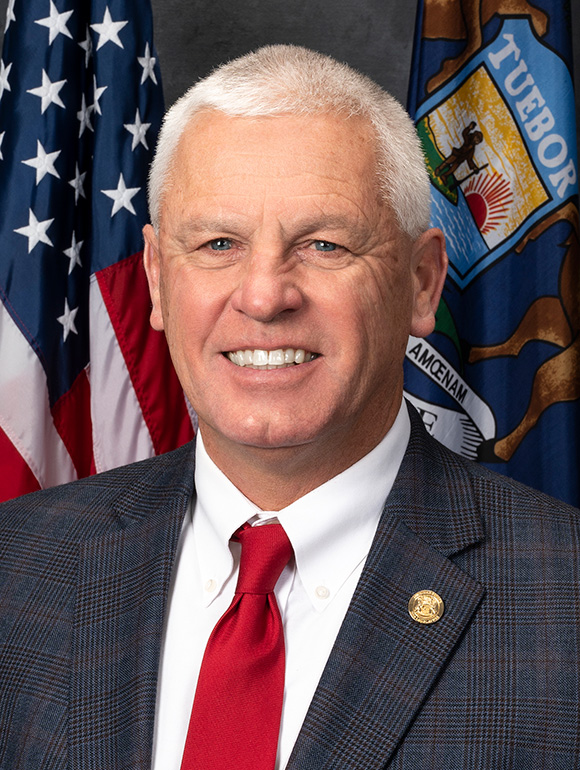
2025-2026 Regular Session Introduced by Jon Bumstead

Michigan bill expands workers' compensation presumption for heart and respiratory diseases to additional public safety workers beyond firefighters, eliminating causation proof requirements.

REFERRED TO COMMITTEE ON LABOR
0
WeVote Research Nonpartisan
Bill Summary · SB 161

Legislative bill overview

SB 161 would expand Michigan's workers' compensation presumption law to include certain police, fire, and public safety department members, allowing them to receive benefits for heart and respiratory diseases without proving the illness was work-related. Currently, this presumption applies to firefighters under Michigan law, and this bill extends similar protections to additional categories of public safety workers.

Why is this important

Public safety workers face documented occupational exposures to hazards like smoke, chemicals, and extreme stress that contribute to cardiovascular and respiratory diseases at higher rates than the general population. Presumption laws shift the burden of proof, making it easier for affected workers and their families to access workers' compensation benefits without extensive medical evidence linking their illness to their job.

Potential points of contention

  • Cost implications: Expanding presumptions increases workers' compensation insurance costs, which may be passed to employers or affect municipal budgets for police and fire departments
  • Scope definition: Determining which public safety positions qualify (dispatchers, administrative staff, etc.) and how broadly "certain members" is defined could create disputes and inconsistent application
  • Medical causation standards: Critics may argue presumptions weaken the scientific requirement to prove work causation, potentially covering illnesses that occur naturally in the general population at similar rates

Compiled from official sources — confirm details with the bill’s official record.

Sign in to ask a question.