

WeVote

Bill

Bill

HR 2295

WING Act of 2025

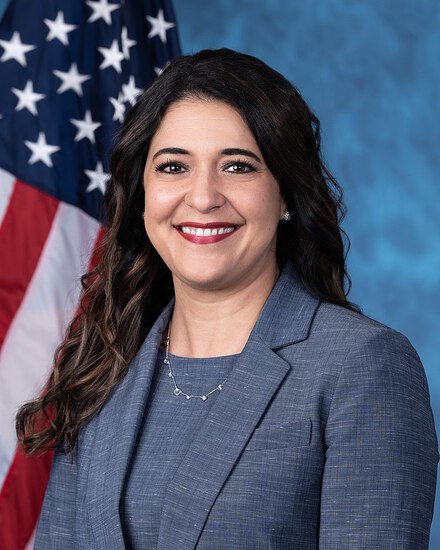
119th Congress Introduced by Stephanie Bice and 7 co-sponsors

Promotes next-gen weather research and technology to improve forecasting, data, and early warnings, strengthening public safety and resilience for communities.

Introduced in House
0
WeVote Research Nonpartisan
Bill Summary · HR 2295

HR 2295 — Weather Innovation for the Next Generation Act of 2025 (WING Act)

Summary

HR 2295, titled the Weather Innovation for the Next Generation Act of 2025 (WING Act), was introduced in the U.S. House of Representatives on March 24, 2025. The bill is designated as a “bill” and is introduced in the House with a view toward advancing weather-related research and capabilities. The version content available only confirms the short title citation and does not include substantive text.

Purpose (as inferred from the title)

  • The bill’s name suggests an aim to promote innovation in weather science and technology to support next-generation forecasting, observation, and related services. The precise objectives, programs, and mechanisms (such as funding, partnerships, or agency responsibilities) are not provided in the available materials.

Key provisions (presently unavailable in the provided text)

  • The public content available here does not include the bill’s full text or specific provisions. As introduced, only the title is cited. No funding levels, programmatic authorizations, or statutory changes can be confirmed from the provided excerpt.

Legislative actions and status

  • Introduced in the House on March 24, 2025.
  • Referred to the House Committee on Science, Space, and Technology on March 24, 2025.
  • No further actions (e.g., hearings, amendments, or floor votes) are listed in the provided information.

Sponsors

  • Primary sponsor: Randy Feenstra
  • Cosponsors: Joe Neguse, Mike Haridopolos, Stephanie I. Bice, James C. Moylan, Brian K. Fitzpatrick, Aumua Amata Coleman Radewagen, Mariannette Miller-Meeks

Potential impact (high-level, based on the title and typical scope of weather-focused legislation)

  • Public sector: Possible changes or enhancements to federal weather research, data collection, forecasting capabilities, and weather-related service delivery.
  • Agencies potentially affected: Agencies involved in meteorology and weather data (e.g., NOAA or related research offices) if the bill includes authorizations or mandates in this area.
  • Research and industry: Could foster collaboration between government, academic researchers, and private-sector partners to accelerate weather innovation, improve predictive models, and advance weather technology deployment.
  • Public safety and resilience: Improved weather forecasting and early warning systems could enhance preparedness for severe weather events, potentially reducing economic losses and safeguarding life and property.
  • Workforce and education: If included, provisions might support training, grants, or fellowships to grow the next generation of meteorologists and weather scientists.

Next steps and timeline

  • After introduction and committee referral, typical next steps include committee consideration (markup and reporting), potential amendments, and floor consideration in the House. If passed, the bill would move to the Senate for consideration or further action.
  • Readers should monitor updates from the House Committee on Science, Space, and Technology and official bill text releases for precise provisions, fiscal implications, and implementation timelines.

If you’d like, I can tailor this summary further once the full text or official summary of HR 2295 becomes available.

Compiled from official sources — confirm details with the bill’s official record.

Sign in to ask a question.