

WeVote

Bill

Bill

HB 4843

Weapons: other; exceptions to use of portable device or weapon directing electrical current, impulse, wave, or beam; modify. Amends sec. 224a of 1931 PA 328 (MCL 750.224a).

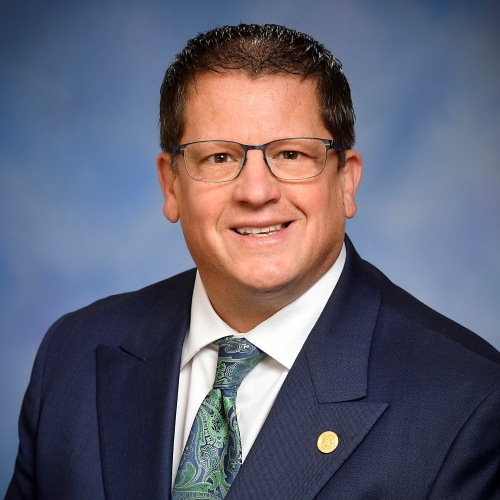
2025-2026 Regular Session Introduced by Brian BeGole and 10 co-sponsors

House Bill 4843 allows trained personnel to use specific electrical control devices for incapacitation, enhancing safety while imposing strict penalties for misuse.

REFERRED TO COMMITTEE ON CIVIL RIGHTS, JUDICIARY, AND PUBLIC SAFETY
0
WeVote Research Nonpartisan
Bill Summary · HB 4843

Summary of House Bill 4843

Bill Number: HB 4843
Title: Weapons: other; exceptions to use of portable device or weapon directing electrical current, impulse, wave, or beam; modify
Status: Placed on third reading
Introduced: September 4, 2025
Sponsor: Rep. Mike Mueller
Committee: Judiciary

Purpose and Intent

House Bill 4843 aims to amend the Michigan Penal Code regarding the regulation of portable devices or weapons that emit electrical currents, impulses, waves, or beams designed to incapacitate, injure, or kill. The bill seeks to clarify and expand the exceptions for certain individuals and types of devices, specifically focusing on electronic control devices that utilize conducted electrical energy technology.

Key Provisions

  1. Modification of Device Exceptions:

    • The bill modifies the types of devices exempt from the general prohibition on the sale, possession, or use of electrical devices intended to incapacitate individuals.
    • It introduces the term "electronic control device that uses conducted electrical energy technology," which includes devices that deliver electrical impulses to stimulate nerve endings on the skin.
  2. Authorized Users:

    • The bill specifies that only trained individuals may possess and use these devices, including:
      • Peace officers
      • Employees of the Department of Corrections
      • Local corrections officers
      • Probation officers
      • Court officers
      • Licensed private investigators
      • Aircraft pilots and crew members
      • Private security police officers
      • Individuals with a valid concealed pistol license (CPL) employed as private security guards.
  3. Circumstances for Use:

    • The bill maintains the prohibition against using these devices against another person except under circumstances that justify the lawful use of physical force. New justifications for use include:
      • De-escalating a situation
      • Temporarily incapacitating an individual
      • Deterring illegal assaults
      • Overcoming illegal resistance
  4. Tracking and Identification:

    • Devices must be equipped with a memory storage system that records the date, time, and duration of each impulse delivered, ensuring traceability.
  5. Penalties:

    • Violating the prohibition on unauthorized possession or use of these devices can result in felony charges, punishable by up to 4 years in prison or a fine of up to $2,000.
    • Unauthorized use of the device can lead to misdemeanor charges, with penalties of up to 2 years in prison or a fine of up to $2,000.

Impact

  • Affected Parties: The bill primarily affects law enforcement personnel, private security officers, and individuals authorized to carry concealed weapons. It also impacts manufacturers and dealers of electronic control devices.
  • Fiscal Considerations: The bill may have an indeterminate fiscal impact on state and local governments due to potential costs associated with increased law enforcement and incarceration for violations.

Legislative Timeline

  • September 4, 2025: Bill introduced and referred to the Committee on Judiciary.
  • October 29, 2025: Reported with recommendation with substitute (H-1).
  • November 12, 2025: Read a second time, substitute adopted, and placed on third reading.

This summary provides an overview of House Bill 4843, detailing its purpose, key provisions, and potential impacts on various stakeholders.

Compiled from official sources — confirm details with the bill’s official record.

Sign in to ask a question.