

WeVote

Bill

Bill

SB 951

Water supply: other; permit and license for water withdrawal for water bottling and water bottling royalties; provide for. Amends secs. 4 & 17 of 1976 PA 399 (MCL 325.1004 & 325.1017) & adds sec. 17a.

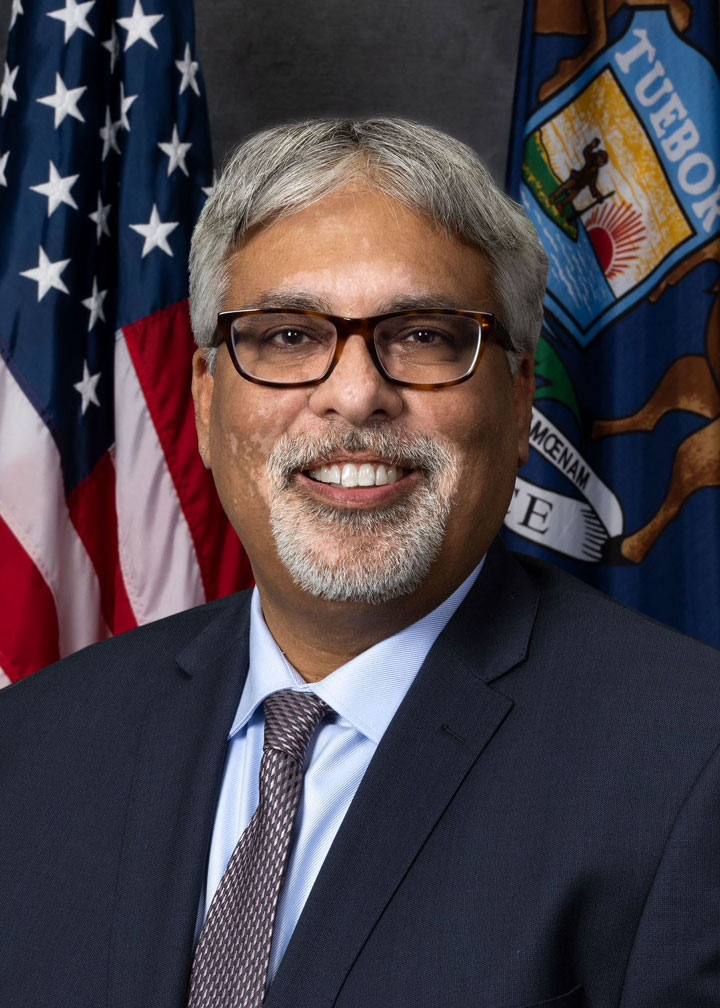
2025-2026 Regular Session Introduced by Sam Singh

SB 951 requires licensing and royalties for bottled water production, strengthens waterworks permits, triggers stricter reviews for large withdrawals, and deposits royalties into a

REFERRED TO COMMITTEE ON NATURAL RESOURCES AND AGRICULTURE
0
WeVote Research Nonpartisan
Bill Summary · SB 951

Summary of SB 951 (2025-2026) – Michigan

Purpose and aims

SB 951 proposes a package of requirements for water supply planning, permitting, and licensing related to water withdrawals for bottling and related royalty collection. The bill amends the Safe Drinking Water Act (1976 PA 399) to strengthen review, permitting, and oversight of waterworks projects and to establish a new licensing and royalty framework for bottled drinking water production.

Key provisions and changes

  • Construction permits for waterworks (Sec. 4):

    • Water suppliers must file plans and specifications for proposed waterworks with the Department of Environment, Great Lakes, and Energy (EGLE) and obtain a construction permit, unless existing records suffice.
    • The department must assess public health protection, planning adequacy, and, for community supplies with large withdrawals, use an assessment tool related to intrabasin transfers and other withdrawal metrics.
    • Public notice and a public comment period (at least 45 days) are required for certain evaluations, with potential planning holds or modified approvals if standards are not met.
    • Capacity, financial, and managerial (capacity) assessments determine whether construction permits can be issued. The department may deny or condition permits based on these assessments.
  • Designation of withdrawal thresholds (Sec. 4, subsections 3-4):

    • Triggers for more stringent evaluation include new or increased withdrawal capacity over specified thresholds (e.g., more than 2,000,000 gallons per day, intrabasin transfers over 100,000 gallons per day on a 90-day average, etc.).
    • For certain community supplies, the approval may be conditioned to balance environmental impact with public benefit if intrabasin transfers are under a specified limit and no feasible alternatives exist.
  • Verbal and minor permit modifications (Sec. 4):

    • The department can verbally approve minor modifications during construction with follow-up written plans required within 10 days.
  • Bottled water production oversight (Sec. 17):

    • Bottled drinking water producers must use a source that meets the act’s requirements; out-of-state sources require approval verification from the appropriate agency.
    • Proposals to bottle water from new or increased large withdrawals (over 200,000 gallons/day) or intrabasin transfers over 100,000 gallons/day trigger a formal water withdrawal permit application (Sec. 17(3)-(4)).
    • The department may approve withdrawals only if the application is complete, environmental impacts are adequately addressed, and public trust requirements are not violated (Sec. 17(4)-(7)).
    • A $5,000 application fee is required for withdrawal permits, with funds deposited into the Water Use Protection Fund (Sec. 17(8)).
    • Beginning January 1, 2027, licensing for bottled water production is required (Sec. 17(9)):
    • Licenses issued by the department are valid for 5 years and nontransferable.
    • License applicants must provide: a valid water withdrawal permit, construction permit, federal permits (if needed), additional information, and a $6,000 license application fee (funds also go to the Water Use Protection Fund) (Sec. 17(9)-(10)).
    • The department must publicly notify and solicit comments for licenses, accept local government/tribal consultation, and hold at least one public hearing (Sec. 17(10)).
    • The department must act within 90 days of complete license applications, ensuring compliance with permits and adequate data on environmental impacts (Sec. 17(11)).
    • License denial triggers a right to a hearing under the Administrative Procedures Act (Sec. 17(12)).
  • Exemptions and transitional notes (Sec. 17(14)-(16)):

    • Certain activities (e.g., private well water, public water utilities in routine operations, incidental bottling of water from private sources, agricultural/industrial uses) are exempt from licensing under Sec. 17.
    • Provisions referencing existing rules and grandfathering for pre-2008 permit applicants.
  • Royalty regime (Sec. 17a):

    • Licensees pay a royalty of 25 cents per gallon bottled.
    • Royalties are due quarterly with a reporting requirement of monthly withdrawal and bottled-water use volumes.
    • Royalties are deposited into the Michigan Water Trust Fund (MCL 324.1205).

Affected parties

  • Public and private water suppliers seeking to construct or modify waterworks.
  • Entities producing bottled drinking water (domestic and potentially out-of-state sources).
  • Local governments and federally recognized tribes, which may be consulted during license proceedings.
  • General public, via required public notices, hearings, and environmental impact considerations.

Procedural and timeline aspects

  • Construction permits: review, public notice, and potential modification requirements prior to construction.
  • For bottling licenses: public notice, 45-day comment period, at least one public hearing, and a 90-day decision window after submission is complete.
  • Implementation: licensing becomes effective January 1, 2027.
  • Fee structures: $5,000 withdrawal permit application and $6,000 license application, with funds allocated to the Water Use Protection Fund.

Enacting and effective date

  • The act would take effect only if related companion bills are enacted. The sponsor is Sen. Sam Singh.

Note: This summary focuses on substantive changes and potential regulatory impacts. It does not provide legal interpretations or predictions of future agency actions.

Compiled from official sources — confirm details with the bill’s official record.

Sign in to ask a question.