

WeVote

Bill

Bill

SB 923

Virginia Water Protection Permit; interbasin transfers of water prohibited.

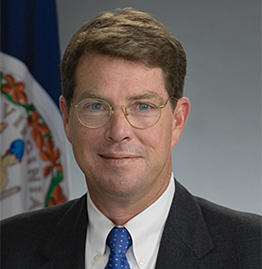
2025 Regular Session Introduced by Richard Stuart

Mandates Maryland county school systems pay high school sports officials equally for similar boys’ and girls’ sports, with synchronized bids to enforce parity.

Left in Finance and Appropriations
0
WeVote Research Nonpartisan
Bill Summary · SB 923

SB 923 — Public Schools: High School Sports Officials — Payment and Fees (Ch. 342, 2025)

Status: Approved by the Governor (Chapter 342). Effective date: July 1, 2025.
Introduced: Jan 28, 2025 (Senator Gile); enacted as Chapter 342.

Main purpose

Require local school systems (county boards) in Maryland to ensure pay parity for high‑school sports officials (referees, umpires, judges) when officials perform similar roles for boys’ and girls’ sports categorized as “similar,” and to change related procurement practices to support that parity.

Key provisions

  • MSDE list of similar sports: The Maryland State Department of Education (MSDE), in consultation with the Maryland Public Secondary Schools Athletic Association (MPSSAA), must develop a list of “similar” boys’ and girls’ high school sports by Sept 1, 2025, and update it every 3 years. Factors to consider include season, rules, number of officials required, services, and competition length.
  • Pay parity requirement: A county board must ensure officials receive the same pay when they (a) perform similar officiating roles and (b) are providing services for sports categorized as similar under MSDE’s list.
  • Procurement rules:
    • Local school systems must issue invitations for bids (IFBs) or requests for proposals (RFPs) for similar boys’ and girls’ sports simultaneously.
    • Systems may require combined bids (both boys’ and girls’ services) or prohibit separate deadlines; they may require bidders to partner to submit both.
    • A board must reject any bid/proposal that would result in different rates of pay or assigning fees for officials in similar sports.
  • Definitions and scope: The law defines “high school sports official,” “officiating role,” “assignor,” and “assigning fees.” It applies to officials employed by the local system and those employed by contractors or officiating associations with which boards contract.
  • Exceptions and clarifications:
    • The statute applies only within a county/local school system — it does not require parity between different counties.
    • It does not affect sport grouping for non‑payment purposes.
    • Assigning fees may still be paid as bonuses outside a procurement contract.
  • Transition/contract timing: Local school systems with existing contracts (executed on or before July 1, 2025) may extend contract terms to align timelines for similar sports, but not beyond July 1, 2029. Generally, the act applies prospectively.

Who is affected

  • Primary: county boards of education, local school systems, assignors (officiating organizations or contractors), and high school sports officials.
  • Secondary: student athletes and athletic programs (indirectly, through procurement and budget decisions).

Fiscal and practical impact

  • State: No direct fiscal impact reported; MSDE can implement list using existing resources.
  • Local: Potential increased expenditures if pay for girls’ sports officials must be raised to match boys’ sports. Maryland fiscal analysis cited examples: estimated local costs in certain counties (e.g., ~ $5,013 in Frederick County; ~$20,700 in Anne Arundel County) depending on current disparities and contract structures.
  • Administrative: Procurement timing and bid structuring changes for local systems and vendors.

Limits and notable points

  • The law mandates parity only within a local system and only for officials performing similar roles in sports MSDE classifies as similar.
  • Bonuses or assigning fees paid outside procurement contracts remain allowed.
  • The MSDE/MPSSAA list and its tri‑annual updates will be central to implementation.

Compiled from official sources — confirm details with the bill’s official record.

Sign in to ask a question.