

WeVote

Bill

Bill

HB 58

Virginia Board for Asbestos, Lead, and Home Inspectors; renamed, radon measurement, etc.

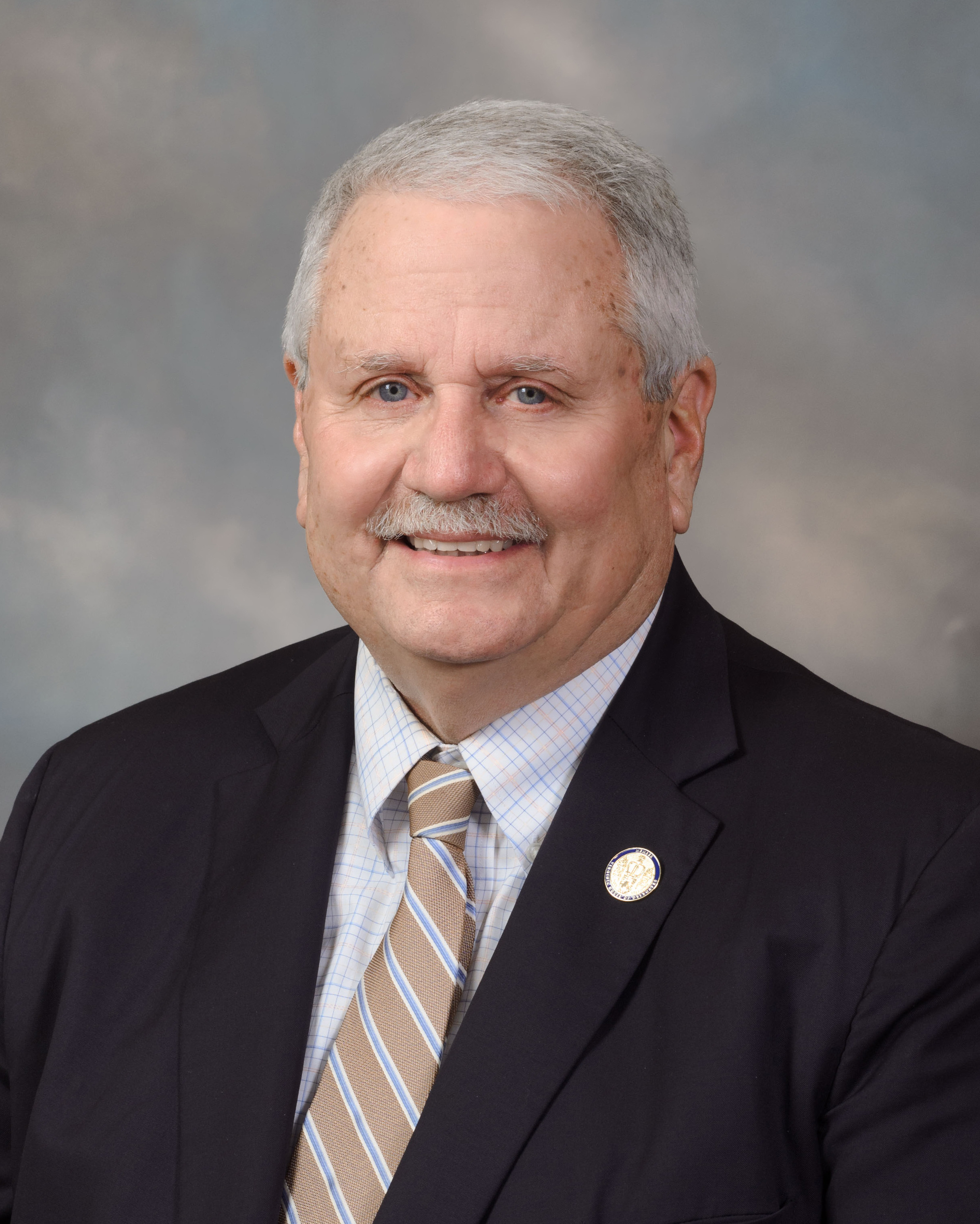
2026 Regular Session Introduced by Buddy Fowler and 1 co-sponsor

Provides $2.05M/year to PED to fund suicide-prevention training and operate 14 school mental health/wellness rooms (≈$125K per room), expanding student mental health supports.

Stricken from docket by General Laws (19-Y 0-N)
0
WeVote Research Nonpartisan
Bill Summary · HB 58

Summary — HB 58: Mental Health Programs in Schools Funding

Status: Action postponed indefinitely (most recent status)
Introduced: August 15, 2025
Subject: Education / Public Schools / Health & Health Facilities
Primary sponsors (by analyses): Rep. Herndon / Rep. Gurrola (New Mexico analyses)

Main purpose

HB 58 would provide recurring state funding to the Public Education Department (PED) to expand school-based suicide-prevention training and to support the operation of designated mental health/wellness rooms in K–12 schools across the state. The intent is to strengthen school-based supports for student mental health and suicide prevention.

Key provisions

  • Appropriates $2.05 million recurring from the General Fund to PED for FY26:
    • $300,000 to partner with an organization to deliver culturally appropriate, trauma‑informed and culture‑centered suicide‑prevention training to school staff, students, and community members.
    • $1,750,000 to support operation of 14 mental health/wellness rooms in schools (roughly $125,000 per room).
  • The bill does not specify whether selected schools must be public or private, nor does it limit by school level (elementary, middle, high); selection authority rests with PED.
  • No explicit statutory definition of “mental health room” is included; PED would be responsible for implementing and distributing the funds.
  • Any unexpended/unencumbered balance at the end of FY26 would revert to the General Fund.
  • No special reporting or monitoring requirements are specified in the bill text (analysts note the initiative resembles a pilot and might benefit from monitoring/reporting).

Fiscal impact

  • Total recurring appropriation: $2.05 million per year (General Fund).
  • Per‑room support implied at $125,000 for operation of each of 14 rooms.
  • LFC/agency notes: $2.05M is recurring; funds revert if unspent at FY26 end.
  • Agencies consulted (PED, HCA, PSFA) note modest administrative workload for PED and potential site constraints (schools must have available physical space).

Who would be affected

  • Public Education Department (administration and grant distribution).
  • K–12 schools selected to operate mental health rooms (staffing, space, local operational costs).
  • School staff, students, and community members receiving training.
  • Local districts/charters that elect to host rooms; potential additional un-funded operational needs at the school/district level.
  • State General Fund (ongoing $2.05M impact while funded).

Implementation and timeline

  • The bill contains no special effective date; analysts stated it would take effect 90 days after adjournment if enacted (example date cited: June 20, 2025).
  • Because the bill does not identify implementation details (site selection criteria, provider contracting, reporting), PED would need to develop distribution and oversight processes.
  • Although framed like a pilot (14 sites; builds on prior small appropriations for wellness rooms), the bill does not mandate evaluation metrics.

Issues and considerations

  • Analysts note New Mexico’s elevated youth mental‑health needs and that school‑based wellness rooms are an emerging practice; however 14 rooms would serve a small share (~1.6%) of the state’s ~854 schools.
  • Potential local costs (staffing, space retrofits) beyond the $125k per room allocation may arise and are not detailed in the bill.
  • Stakeholders flagged a need for monitoring and outcome reporting to assess effectiveness and scalability.

Note: Multiple bills numbered “HB 58” exist in other jurisdictions on different topics. This summary reflects the New Mexico “Mental Health Programs in Schools Funding” version described in the provided fiscal and policy analyses.

Compiled from official sources — confirm details with the bill’s official record.

Sign in to ask a question.