

WeVote

Bill

Bill

SB 1592

VEH CD-ZERO EMISSION DELIVERY

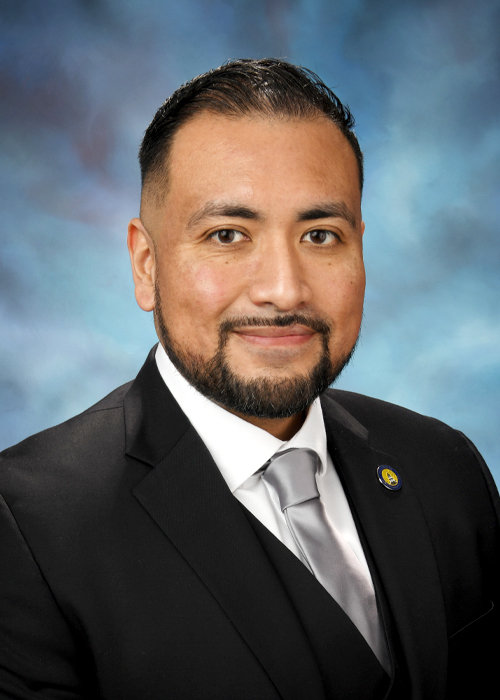
104th Regular Session Introduced by Javier Cervantes and 1 co-sponsor

Starting 1/1/2030, third‑party delivery services must use non‑carbon emitting transport for local deliveries, with a 15‑mile exception.

Added as Co-Sponsor Sen. Sara Feigenholtz
0
WeVote Research Nonpartisan
Bill Summary · SB 1592

Summary — SB 1592 ( VEH CD — Zero‑Emission Delivery )

Status note: introduced in Illinois Senate by Sen. Javier L. Cervantes (filed 2/4/2025); Sen. Sara Feigenholtz later added as a cosponsor (4/4/2025). (Check the Illinois General Assembly website for current procedural status.)

Purpose / intent

Require third‑party courier/delivery services to use only non‑carbon‑emitting modes of transportation for most local store/restaurant deliveries, as a state policy to reduce emissions from last‑mile deliveries.

Key provisions

  • New Section added to the Illinois Vehicle Code (625 ILCS 5/11‑1433).
  • Applicability: applies to “third‑party delivery service” (term defined by the Fair Food and Retail Delivery Act).
  • Compliance date: begins January 1, 2030.
  • Core rule: beginning 1/1/2030, a third‑party delivery service may not employ or contract a person to deliver goods from a store or restaurant unless the person making the delivery uses a “non‑carbon emitting” mode of transportation.
  • Exception: the requirement does not apply to a delivery that requires a person to travel 15 miles or more to complete the delivery.
  • Enforcement/penalty: a violating third‑party delivery service is subject to a business offense fine not to exceed $1,000.
  • Preemption: home‑rule municipalities may not adopt regulations inconsistent with this Section; the bill limits concurrent home‑rule regulation on this topic.

Who is affected

  • Third‑party delivery platforms and their contracted couriers (delivery workers).
  • Restaurants and stores that rely on third‑party delivery services.
  • Consumers may see changes in delivery mode availability, costs, or delivery times for local deliveries.
  • Local governments: the bill curtails local ordinances that would be inconsistent with the statute.

Implementation and practical notes

  • The bill references “non‑carbon emitting” modes but does not define that term (interpretation could include bicycles, pedal‑assist e‑bikes, electric bicycles, electric scooters, and battery‑electric vehicles — though legal interpretation may vary).
  • The 15‑mile exception effectively limits the rule to local/short deliveries (last‑mile).
  • Enforcement mechanism is limited to a monetary business offense (up to $1,000); the bill does not establish an administrative compliance regime or inspection protocol.
  • The cross‑reference to the Fair Food and Retail Delivery Act means definitions and scope may depend on that act’s language.

Related legislation

  • Companion bills: HB 2433 and HB 1428 (listed as related/companion measures).

Potential impacts (summary)

  • Could reduce local delivery emissions if broadly complied with.
  • May require significant operational changes for delivery platforms (fleet electrification, shift to bike couriers, or contracting practices).
  • May increase costs or affect service availability in areas where non‑carbon options are less practical.
  • Ambiguities (definition of “non‑carbon emitting,” enforcement procedures) could lead to legal and administrative questions requiring later clarification or rulemaking.

For the latest status, amendments, or fiscal analyses, consult the Illinois General Assembly bill page for SB1592.

Compiled from official sources — confirm details with the bill’s official record.

Sign in to ask a question.