

WeVote

Bill

Bill

HF 3749

Various transportation-related policies enacted, bridge inspection standards established, active transportation education funding modified, mandated reporting expiration dates modified, scenic byway designations removed, and truck parking improvement program established.

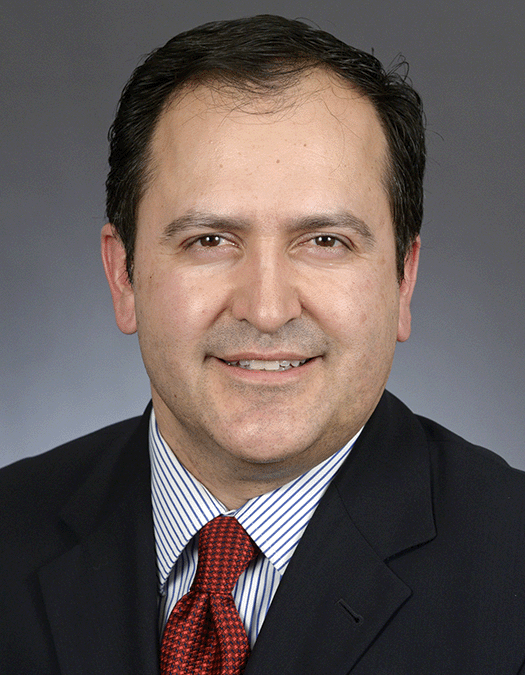
2025-2026 Regular Session Introduced by Jon Koznick and 1 co-sponsor

Creates a state program to improve truck parking facilities and freight efficiency.

Introduction and first reading, referred to Transportation Finance and Policy
0
WeVote Research Nonpartisan
Bill Summary · HF 3749

Bill Summary: HF 3749 (2025-2026) – Minnesota

Purpose and Intent

HF 3749 proposes a set of transportation-related policy changes intended to improve infrastructure safety and maintenance, enhance active transportation (bicycling and walking) education, adjust reporting timelines, modify scenic byway designations, and create a program to support truck parking improvements. The bill seeks to streamline and clarify several transportation programs and requirements within the state.

Key Provisions and Changes

1) Bridge Inspection Standards

  • Establishes or clarifies standards for bridge inspection activities and reporting.
  • Aims to ensure consistent safety oversight and compliance with inspection schedules and findings.
  • Provisions may specify inspection frequency, methods, and documentation requirements for bridges within the state.

2) Active Transportation Education Funding

  • Modifies funding related to active transportation education (bicycling and walking infrastructure and safety programs).
  • Could reallocate, increase, or otherwise adjust grants or funding streams available to schools, local governments, or non-profits for active-transport education initiatives.
  • Intended to promote safer and more informed use of active transportation modes.

3) Mandated Reporting Expiration Dates

  • Adjusts expiration dates for certain mandated reports related to transportation programs or infrastructure.
  • Likely creates an explicit sunset or renewal timeline for specific reporting requirements to ensure periodic review and avoid outdated mandates.
  • May affect reporting cycles across relevant state agencies.

4) Scenic Byways Designations Removed

  • Removes or eliminates the process or authority to designate scenic byways within the state.
  • Represents a policy shift away from formal state recognition of scenic byways, potentially affecting branding, eligibility for certain programs, or related funding tied to scenic byway status.
  • Could impact local planning and tourism initiatives that previously leveraged scenic byway designations.

5) Truck Parking Improvement Program

  • Establishes a state program dedicated to improving truck parking facilities.
  • May authorize funding, set program objectives, designate administering agencies, and outline eligible projects (e.g., truck stops, rest areas, safety improvements, lighting, security).
  • Aims to address truck parking shortages, improve safety for commercial drivers, and enhance freight efficiency.

Who or What Would Be Affected

  • State transportation agencies responsible for bridge safety, active transportation programs, reporting duties, and program administration.
  • Local governments, school districts, and non-profit organizations involved in active transportation education funding.
  • Stakeholders involved in scenic byway designations, tourism planning, and community branding.
  • Commercial trucking industry, freight operators, and road users benefiting from improved truck parking facilities.
  • Taxpayers and residents, indirectly, through potential changes in funding allocations and transportation project priorities.

Procedural and Timeline Aspects

  • Introduction and First Reading occurred on 2026-02-26, referred to the Transportation Finance and Policy committee.
  • As an early-stage bill, it will proceed through committee hearings, potential amendments, and floor actions in both chambers as applicable.
  • For provisions with expiration dates or sunsets, timelines will be specified within the final text (e.g., annual reviews, biennial sunsets, or phased implementations).
  • The bill’s impact on existing programs will depend on the final language, including funding levels, reporting schedules, and transition provisions.

Notes and Considerations

  • The combination of provisions suggests a broad transportation policy package with both safety/maintenance (bridge inspections) and modernization/efficiency goals (truck parking, active transportation education).
  • The removal of scenic byway designations may have downstream effects on local planning and tourism incentives tied to those designations.
  • Details such as funding amounts, specific reporting requirements, and implementation timelines will be clarified in the committee-adopted and final enacted language.

If you would like, I can tailor this summary to highlight potential fiscal impacts or align it with a particular stakeholder audience (e.g., local governments, trucking industry, advocacy groups).

Compiled from official sources — confirm details with the bill’s official record.

Sign in to ask a question.