

WeVote

Bill

Bill

SF 5066

Various judiciary, public safety and corrections policy provisions modifications and appropriation

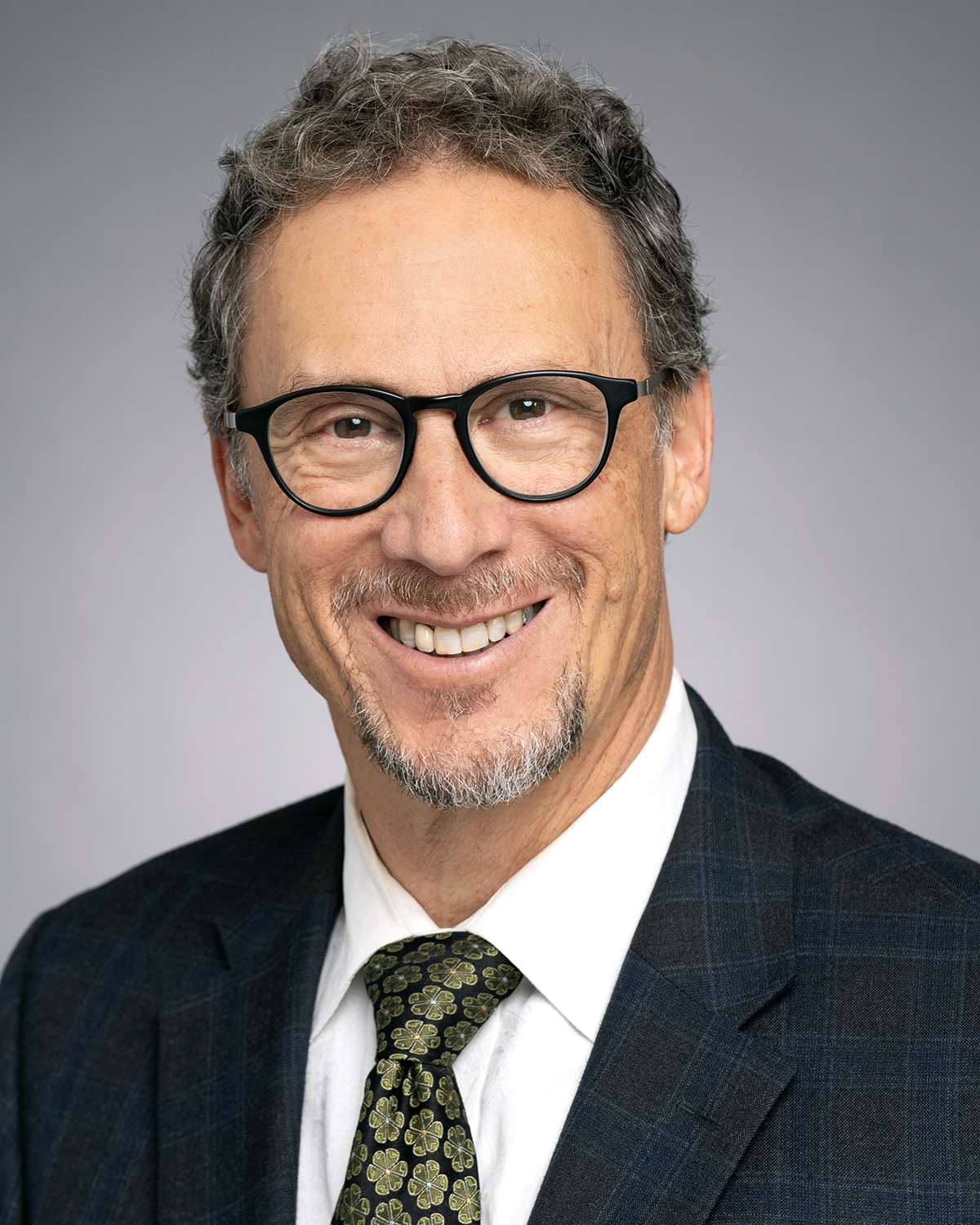
2025-2026 Regular Session Introduced by Ron Latz

SF 5066 seeks to modify judiciary, public safety, and corrections provisions and authorize related funding to improve operations, accountability, and outcomes.

Referred to Judiciary and Public Safety
0
WeVote Research Nonpartisan
Bill Summary · SF 5066

Summary of SF 5066 (2025-2026, Minnesota)

Overview

SF 5066 is a Minnesota Senate bill titled “Various judiciary, public safety and corrections policy provisions modifications and appropriation.” The bill appears to focus on changes to policy and funding related to the judiciary, public safety, and corrections, with the stated aim of modifying existing provisions and providing appropriations to support implementation. The bill has one listed co-sponsor: Sen. Ron Latz. It was introduced on April 9, 2026, and referred to the Judiciary and Public Safety committees.

Purpose and Intent

  • The primary objective is to modify a set of judiciary, public safety, and corrections provisions and to authorize related appropriations.
  • The legislation likely seeks to address policy gaps, efficiency measures, accountability, and improved public safety outcomes through targeted changes in statutes and budget allocations.
  • As introduced, the bill indicates an intent to update several areas within the intersecting domains of courts, law enforcement, and correctional systems in Minnesota.

Key Provisions and Changes (Highlights)

Because the specific text of SF 5066 is not provided here, the following describe the typical structure and areas such a bill would cover, based on the bill’s title and the action history:

  • Judiciary Provisions:

    • Revisions to court procedures, case processing timelines, or accessibility improvements for the public.
    • Updates to probation, sentencing, or diversion program rules.
    • Administrative or funding provisions for court operations, technology upgrades, or personnel.
  • Public Safety Provisions:

    • Changes to law enforcement statutes, officer training, use-of-force policies, or civilian oversight mechanisms.
    • Enhancements to public safety coordination, data reporting requirements, or crime prevention initiatives.
    • Funding for public safety initiatives (equipment, personnel, or grants).
  • Corrections Provisions:

    • Revisions to inmate programs, rehabilitation and reentry services, or sentencing alternatives.
    • Modifications to parole or probation supervision, incident reporting, and correctional facility operations.
    • Allocation of funds for offender services, facility improvements, or staffing.
  • Appropriations:

    • Specific funding authorizations tied to the policy changes, including lump-sum or line-item appropriations.
    • Possible year-by-year budget implications and any sunset or evaluation requirements.

Who would be Affected

  • Courts and Judicial Branch: Administrative changes, procedural updates, or funding affecting court operations and personnel.
  • Law Enforcement Agencies: Policy updates, training requirements, and potential resource allocations impacting state, county, or local police departments.
  • Correctional System: Inmates, parolees, probationers, and staff in state and local correctional facilities; providers of rehabilitation and reentry services.
  • Public and Stakeholders: Taxpayers and communities benefiting from improved public safety, transparent reporting, and updated criminal justice processes.

Procedural and Timeline Aspects

  • Introduction: April 9, 2026.
  • Referral: Judiciary and Public Safety committees (for consideration and public hearings).
  • The bill will move through committee hearings, potential amendments, and votes before moving to the full Senate and House, and ultimately to the Governor for signature if enacted.
  • Any appropriations would likely involve specific fiscal note analysis, budget impact statements, and potential implementation timelines attached to the authorizing language.

Notes

  • As the text of SF 5066 is not provided in this summary, the above reflects common contents and implications of a bill with this title and scope. Readers seeking precise provisions should review the bill’s primary text and fiscal notes once publicly available in the Minnesota Legislature’s repository.
  • The bill has a co-sponsor, Sen. Ron Latz, indicating collaboration on the measure within the judiciary/public safety policy environment.

Compiled from official sources — confirm details with the bill’s official record.

Sign in to ask a question.