HR 1446 — Validate Prior Learning to Accelerate Employment Act
Status: Introduced in House (per provided records)
Introduced: May 28, 2025 (document metadata) — see timeline below for action dates
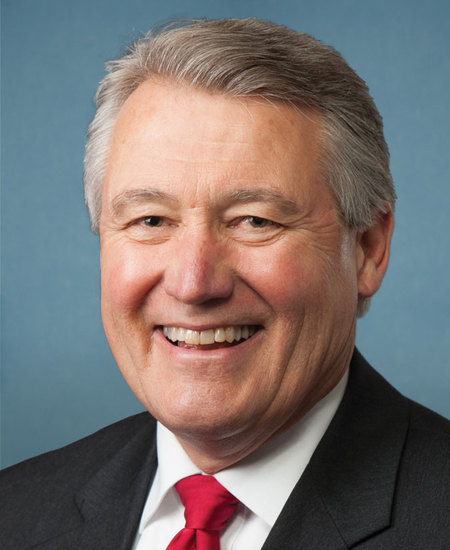
Primary sponsor: Rep. Rick W. Allen (R)
Cosponsor: Rep. Elise M. Stefanik (R)
Brief purpose
The bill’s title indicates an intent to accelerate employment by validating and giving formal credit for prior learning — such as workplace experience, industry certifications, military training, and non‑credit education — so that adult learners and jobseekers can more quickly obtain credentials, upskill, or qualify for jobs. No full bill text was provided; the summary below describes the bill’s apparent aim and the types of provisions typically found in legislation with this purpose.
Available legislative timeline (as provided)
- 2025-02-21: Introduced in House; Referred to the House Committee on Education and Workforce (action log)
- 2025-05-28: Filed; 48‑hour notice for consideration
- 2025-05-31: Laid before the House; Adopted; Record vote; Statements recorded in Journal
- 2025-06-01: Reported enrolled
Note: the metadata lists “Introduced: May 28, 2025” while the action log shows introduction and committee referral on Feb 21, 2025. Those items appear inconsistent; consult the official bill text/CONGRESS.gov for authoritative dates and status.
Key provisions likely covered (based on title and common legislative models)
Because the bill text was not included, these are plausible elements such legislation usually contains:
- Definitions and scope for “prior learning assessment” (PLA) — what constitutes validated prior learning (work experience, certifications, apprenticeships, military service, noncredit courses).
- Directives to the Department of Education and/or Department of Labor to develop guidance and best practices for institutions and workforce programs to assess and award credit for prior learning.
- A grant program or technical‑assistance funding to help community colleges, public institutions, and workforce providers implement or expand PLA systems.
- Requirements or incentives for publicly funded workforce and training programs (including WIOA‑funded programs) to accept or incorporate validated prior learning into training plans and credentialing decisions.
- Data collection and reporting requirements to measure outcomes (e.g., time to credential, employment placement, earnings).
- Provisions to support veterans and low‑income adult learners in accessing PLA.
Who would be affected
- Adult learners, veterans, and incumbent workers seeking faster credentialing or degree completion.
- Community colleges, public colleges/universities, workforce boards, and training providers tasked with administering PLA.
- Employers that hire based on credentials/credit recognition or partner with education providers.
- State and federal workforce and education agencies that issue guidance or administer grants.
Potential impact
If implemented, validating prior learning can reduce time and cost to obtain credentials, increase labor market mobility, and improve alignment between employer needs and workers’ demonstrated skills. Effects depend on scope, funding levels, and whether federal guidance is mandatory or voluntary.
Next steps / where to find the full text
To evaluate the bill’s precise provisions, funding amounts (if any), and legal effects, review the full bill text and committee report on Congress.gov or the House Committee on Education and Workforce website. The action log above should be cross‑checked with the official congressional record for final status.