Overview
HR 9446, the VA Health Care Capacity Assessment Act, would require the Department of Veterans Affairs (VA) to conduct a comprehensive, biennial staffing assessment of its medical facilities and report the findings to Congress. The goal is to evaluate and address staffing, capacity, and related factors to ensure timely access to care for veterans.
Main purpose and intent
- Establish a formal, regular (biennial) reporting requirement on VA medical facility staffing and capacity.
- Provide a system-wide assessment to identify gaps and propose actionable plans to achieve appropriate staffing, panel sizes, and support structures.
- Enhance transparency and accountability regarding VA capacity, wait times, work levels, credentialing processes, and succession planning.
Key provisions and changes
Reporting cadence:
- Initial report due within 180 days after enactment.
- Subsequent reports due every even-numbered year by December 31.
Required elements in each report:
1) System-wide staffing assessment
- Determine appropriate staffing levels for health care professionals to meet timely access goals.
- Determine appropriate staffing levels for support personnel (e.g., clerks).
- Assess optimal clinical panel sizes.
- Assess appropriate numbers of full-time staff or full-time equivalents dedicated to direct patient care.
- Assess adequacy of physical plant space to meet capacity needs.
- Include any other factors the VA Secretary deems necessary.
2) Action plan
- Outline a plan to address issues identified, including a timeline.
3) Clinic wait times and workload
- List current wait times and work-load levels for clinics in each facility (mental health, primary care, gastroenterology, women’s health, and other clinics as determined).
4) Inspector General (IG) findings and credentialing
- Describe results of the latest IG determination under 38 U.S.C. § 7412(a) and a plan to use direct appointment authority to fill staffing shortages.
- Include recommendations to accelerate credentialing and privileging.
5) Staffing models
- Describe current staffing models for clinics (mental health, primary care, gastroenterology, women’s health, etc.) and provide recommendations for changes.
6) Succession planning
- Analyze vacancies and turnover:
- Number of unfunded or unfilled permanent positions.
- Duration of vacancies or use of temporary/acting staff.
- Barriers to filling positions.
- Plans to fill long-term vacancies (over 180 days).
- Plans for handling emergencies such as extended leaves for senior officials.
7) Retirements and departures
- Provide counts of health care providers who were removed, retired, or left in the two-year period before the report, disaggregated by provider type.
8) Post-separation outcomes
- Among those who left, how many were reassigned within VA, left VA, or were rehired by VA after leaving.
Who would be affected
- VA health care system: all VA medical facilities and clinics would be subject to the biennial staffing assessments and related planning requirements.
- VA leadership and staff: would need to collaborate to gather data on staffing, wait times, credentialing, succession planning, and space needs.
- Congress: would receive periodic reports for oversight and potential legislative actions based on findings.
Procedural and timeline considerations
- Enactment triggers a reporting requirement:
- A first biennial report due within 180 days of enactment.
- Subsequent reports due by December 31 of each even-numbered year.
- Reports must cover prescribed elements, including data, plans, and reform recommendations.
- The bill specifies inclusion of IG findings, credentialing efficiency, and direct appointment authority as part of addressing staffing shortages.
Potential impact and significance
- Promotes data-driven workforce planning across VA facilities.
- Aims to improve timely access to care by aligning staffing with patient demand and capacity.
- Enhances accountability through regular public-facing reporting and actionable plans.
- Could influence VA budget and human resource policies by identifying staffing shortages and succession gaps.
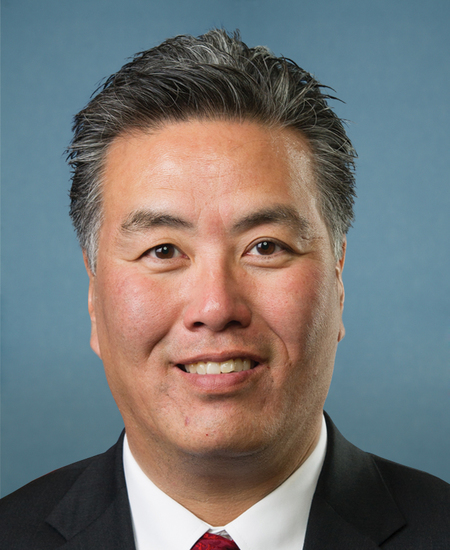
Sponsors: Representative Mark Takano (with a co-sponsor listed).