

WeVote

Bill

Bill

HB 1828

UTILITIES-WATER COST CAUSATION

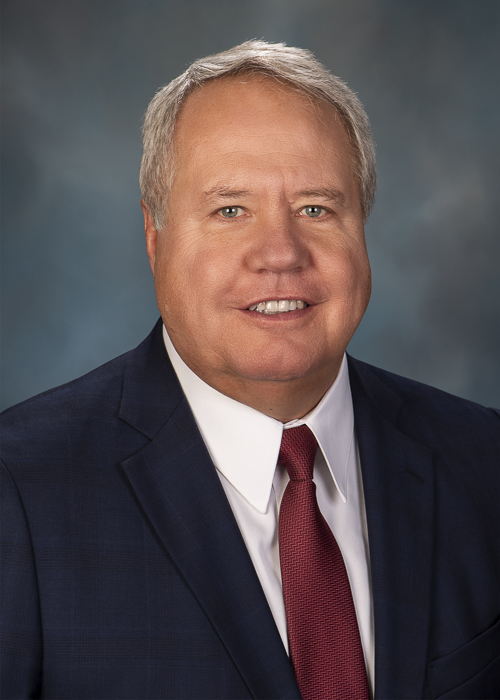
104th Regular Session Introduced by Jay Hoffman

Illinois HB 1828 modifies water utility cost allocation methods for rate-setting, potentially shifting financial responsibility between residential and business customers.

House Floor Amendment No. 1 Rule 19(c) / Re-referred to Rules Committee
0
WeVote Research Nonpartisan
Bill Summary · HB 1828

Legislative bill overview

HB 1828 addresses cost causation methodologies for water utility rate-setting in Illinois. The bill, sponsored by Rep. Jay Hoffman, appears to modify how water utilities allocate costs to different customer classes (residential, commercial, industrial) when determining rates. The recent activity shows the bill has undergone amendments and is currently in the Rules Committee process.

Why is this important

Water rate structures directly affect household utility bills and business operating costs. Cost causation studies determine whether rate increases are fairly distributed across customer classes or unfairly burden specific groups. Changes to these methodologies can shift financial responsibility between residential consumers and commercial/industrial users, making this a practical issue for both household budgets and economic competitiveness in Illinois.

Potential points of contention

  • Rate equity concerns: Depending on methodology changes, some customer classes may see disproportionate rate increases while others see decreases, creating winners and losers among residential, commercial, and industrial users
  • Utility industry compliance costs: Utilities may argue that new cost causation requirements increase administrative burden and require expensive rate studies
  • Consumer advocacy opposition: Residential rate advocates may worry that shifting methodologies could increase household water bills while subsidizing business rates, or vice versa

Compiled from official sources — confirm details with the bill’s official record.

Sign in to ask a question.