

WeVote

Bill

Bill

SB 3822

UTILITIES-RECOVERABLE EXPENSES

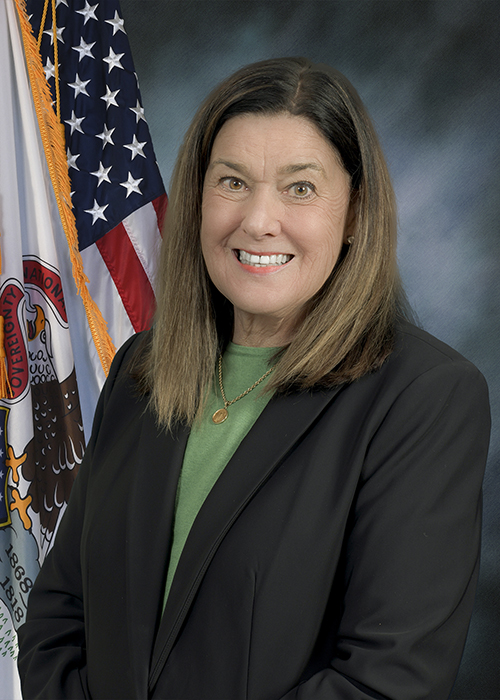
104th Regular Session Introduced by Jil Tracy

SB 3822 creates a framework for which utilities can recover certain expenses through regulated rates, with approval, protections, and reporting to regulators and consumers.

Referred to Assignments
0
WeVote Research Nonpartisan
Bill Summary · SB 3822

Summary of SB 3822 (104th Illinois General Assembly)

Purpose and intent

SB 3822, titled UTILITIES-RECOVERABLE EXPENSES, addresses how certain expenses incurred by public utilities are recovered from customers. The bill aims to clarify, modify, or expand the mechanisms by which utilities can seek recovery of costs tied to specific activities or programs, ensuring that such expenses are recoverable through regulated rates or other approved charges. The exact policy rationale centers on providing utilities with a defined framework to recover costs that arise from mandated programs, system improvements, or other recoverable expenditures, while aiming to maintain prudent budgeting and ratepayer protections.

Key provisions and changes (highlights)

  • Recoverable expenses framework: Establishes or revises the categories of expenses that utilities may recover from customers, including capital, operating, and mandated program costs. The bill may specify criteria for determining whether an expense is recoverable, such as prudence, reasonableness, necessity, and compliance with applicable laws and orders.
  • Approval process: Alters or sets forth the process for obtaining authorization to recover expenses. This could involve filings with the Illinois Commerce Commission (ICC) or the relevant utility regulator, demonstrating the cost, purpose, and expected impact on rates.
  • Rate recovery mechanisms: Defines how recoverable costs are incorporated into rates or charges. This may include adjustments to base rates, rider mechanisms, or one-time charges, with attention to timing, caps, or phase-in schedules.
  • Monitoring and reporting: May require regular reporting by utility companies on incurred recoverable expenses, progress toward project milestones, and status updates to regulators and, where applicable, to consumers.
  • Consumer protections: Preserves or introduces safeguards to protect ratepayers from excessive or inappropriate charges, potentially including oversight provisions, limits on recoveries, or periodic reviews.
  • Interplay with existing law: Aligns with current Illinois statutes governing utility ratemaking, prudence reviews, and cost recovery, potentially modifying or clarifying definitions and standards used by the Illinois Commerce Commission.

Who would be affected

  • Public utilities regulated in Illinois: Investor-owned electric, gas, water, and telecommunications utilities that seek to recover expenses through rates or surcharges.
  • Ratepayers/consumers: Homeowners, renters, and businesses subject to utility charges, who would experience changes in how recoverable expenses are treated in rates.
  • Regulatory body: Illinois Commerce Commission (ICC) or other state regulators responsible for approving rate adjustments and ensuring prudence and reasonableness.
  • Utilities’ financial interests: Utility investors and management, as the bill could affect allowable costs and ratebase treatment, influencing earnings and capital planning.

Procedural and timeline considerations

  • Legislative process stage: As a bill introduced in the 104th General Assembly, it would move through committee hearings, potential amendments, and floor votes. The exact status (e.g., amended, advanced, or enacted) depends on subsequent legislative action.
  • Effective date: The bill would specify an effective date upon enactment or establish phased implementation for certain provisions, with potential transition rules for ongoing cost recovery proceedings.
  • Regulatory implementation: If enacted, the ICC would issue orders or guidance to implement the new recoverable expense framework, including any required filings, reporting templates, and rate-case timelines.

Notes

  • The sponsor listed is a co-sponsor: Jil Tracy.
  • Specific dollar thresholds, cap amounts, rider designations, or exact definitional changes are not provided in the brief summary available here. For precise impacts, refer to the bill text, fiscal note, and any regulator-facing guidance or order associated with SB 3822.

If you’d like, I can pull the exact bill text and provide line-by-line clarifications, including any fiscal impact analyses and proposed regulatory changes.

Compiled from official sources — confirm details with the bill’s official record.

Sign in to ask a question.