Summary — H.R. 1370: “USA FIRST Act”
Short title: Unobligated Spending Adjustment to Focus Investment on Relief and Support for Taxpayers Act (USA FIRST Act)
Status: Introduced in House (recorded actions through June 1, 2025)
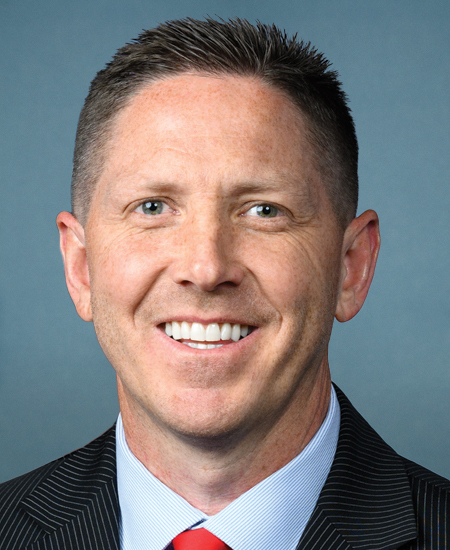
Primary sponsor: Rep. Josh Brecheen (OK)
Cosponsors: Rep. Ralph Norman (SC), Rep. Byron Donalds (FL)
What the bill’s title and intent indicate
The only substantive language in the version of H.R. 1370 available here is the short title. That title indicates the bill’s intent: to adjust or reallocate “unobligated” federal spending so that those funds are redirected to provide relief and support for taxpayers. “Unobligated balances” generally means appropriated funds that agencies have not yet legally committed to contracts, grants, or other obligations.
Because the bill text beyond the short title has not been provided, the summary below distinguishes between (A) what is known from the record and (B) reasonable inferences about the bill’s objectives and likely mechanisms.
What is definitively known (from the legislative record)
- Introduced/Filed: Recorded as introduced in the House (entries include Feb 14, 2025 and filing activity May 26, 2025).
- Committee referral: Referred to the House Committee on Appropriations (Feb 14, 2025).
- Subsequent House actions (late May–June 2025): Referred to Local & Consent Calendars (May 29); considered on Local & Consent Calendars (May 30); laid before the House, adopted, nonrecord vote recorded in the Journal, placed on the Congratulatory & Memorial Resolutions Calendar, and reported enrolled (all June 1, 2025).
- Sponsor information: Primary sponsor Rep. Josh Brecheen; cosponsors Reps. Ralph Norman and Byron Donalds.
Likely provisions and mechanisms (inferred — speculative)
Because the bill text is not included, typical approaches a bill with this title might take include:
- Directing the rescission or reallocation of unobligated balances from federal agencies to a specified Treasury account or to a fund that provides “taxpayer relief” (e.g., rebates, tax credits, or direct payments).
- Requiring OMB or Treasury to identify and transfer unspent appropriations by a certain date.
- Placing limits or conditions on the use of transferred amounts (e.g., one-time rebates vs. deficit reduction).
- Establishing reporting requirements for agencies on unobligated balances and for the administration on how funds were used.
Who would be affected
- Federal agencies with significant unobligated balances (potentially seeing reduced available budgets for future spending).
- Taxpayers who might receive direct relief if the bill directs funds toward refunds/credits.
- Federal budget and deficit outlook, depending on the size and use of transferred balances.
Fiscal and policy impact
- Not available from the record; a Congressional Budget Office (CBO) score or committee report would be required to quantify amounts, timing, and deficit effects.
- Potential tradeoffs: shifting resources from agency programs (reducing planned spending or program capacity) to near-term taxpayer relief.
Procedural notes and next steps to watch
- The full legislative text, any committee reports, and a CBO cost estimate (if requested) are needed to evaluate concrete provisions and impacts.
- If the House has “adopted” the measure as recorded, follow whether it is transmitted to the Senate, amended, or incorporated into other legislation.
- Watch for official text publication, committee markup records, and statements from sponsors clarifying target balances and the type of taxpayer relief intended.
If you want, I can:
- Search for the full bill text and CBO score (if available), or
- Draft a short one-page analysis of likely impacts under several plausible drafting options (rescission, reallocation, or reprogramming).