

WeVote

Bill

Bill

HJR 11

Urging the United States Environmental Protection Agency to develop a woodstove certification program that addresses the threat to clean and healthy winter air in Fairbanks; and urging the state Department of Environmental Conservation to develop an economically and legally defensible state implementation plan for the Fairbanks North Star Borough nonattainment area.

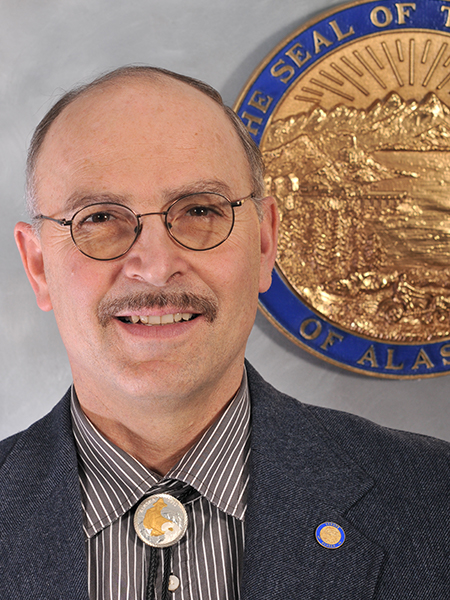
33rd Legislature (2023-2024) Introduced by Click Bishop and 34 co-sponsors

Alaska urges EPA and state to create woodstove certification program and air quality plan to address Fairbanks' winter pollution and nonattainment status.

(H) PERMANENTLY FILED 7/20 LEGIS RESOLVE 7
0
WeVote Research Nonpartisan
Bill Summary · HJR 11

Legislative bill overview

HJR 11 is a joint resolution urging the U.S. Environmental Protection Agency (EPA) to create a woodstove certification program targeting winter air quality in Fairbanks, Alaska, and urging the state Department of Environmental Conservation to develop an implementation plan addressing the Fairbanks North Star Borough's air quality nonattainment status. The resolution passed the Alaska Senate in May 2023 and was transmitted to the Governor.

Why is this important

Fairbanks experiences severe winter air pollution from residential heating sources, particularly woodstoves, creating public health risks including respiratory problems and cardiovascular impacts. The nonattainment designation carries federal consequences—including potential restrictions on economic development and infrastructure funding—making air quality remediation a significant regional priority.

Potential points of contention

  • Woodstove regulation burden: Stricter certification standards may increase heating costs for residents in a region where woodstoves serve as primary or backup heat sources, disproportionately affecting lower-income households.
  • Federal-state jurisdiction: The resolution requests EPA action, but the agency's authority and willingness to develop woodstove-specific programs beyond existing standards may be limited, creating potential implementation challenges.
  • Economic feasibility: Developing and enforcing an implementation plan while maintaining legal defensibility requires significant state resources and may face pushback from businesses and property owners concerned about compliance costs.

Compiled from official sources — confirm details with the bill’s official record.

Sign in to ask a question.