

WeVote

Bill

Bill

SB 3990

UNMANNED AERIAL DRONE SECURITY

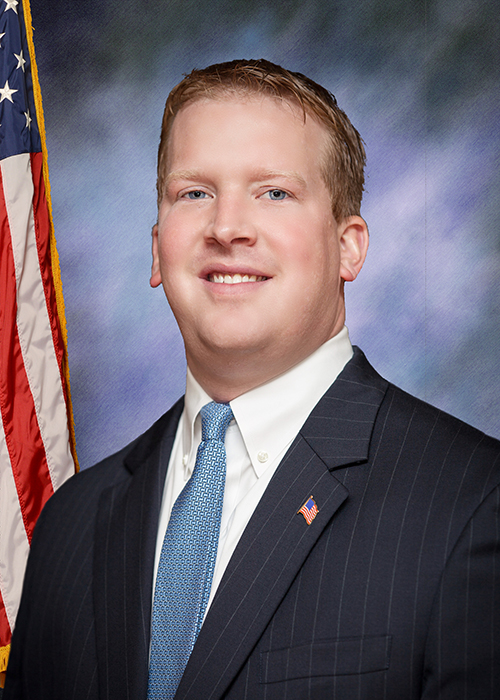
104th Regular Session Introduced by Jason Plummer

Imposes standards and enforcement for drone use in Illinois to protect public safety and privacy, including possible registration, restricted zones, and data protections.

Referred to Assignments
0
WeVote Research Nonpartisan
Bill Summary · SB 3990

Bill Summary — SB 3990, 104th Illinois General Assembly

Title

Unmanned Aerial Drone Security

Purpose and intent

SB 3990 seeks to address security concerns related to unmanned aerial vehicles (drones) within the jurisdiction of Illinois. The bill appears designed to establish regulatory or security measures governing the use, operation, and oversight of drones to protect public safety, privacy, and critical infrastructure. (Note: specific statutory language is not provided in the provided text; this summary reflects typical aims of “Unmanned Aerial Drone Security” measures.)

Key provisions and changes (as typically included in drone-security bills)

  • Establishment of drone usage standards: Potential rules governing when and where drones may operate, including prohibited zones (e.g., near critical infrastructure, government facilities, airports, or public events).
  • Privacy and data protections: Provisions addressing collection, storage, and use of data gathered by drones, with restrictions to protect individuals’ privacy.
  • Authority and enforcement: Creation or clarification of enforcement powers for law enforcement or designated agencies, including penalties for violations.
  • Registration or licensing: Possible requirements for drone operators to register drones or obtain permits/licenses for certain operations.
  • Public safety integration: Provisions outlining collaboration with police, emergency responders, and security agencies in response to drone-related incidents or threats.
  • Operational standards: Rules regarding drone altitude, speed, line-of-sight operation, and impact on airspace management.
  • Privacy impact and reporting: Requirements for impact assessments, reporting of incidents, or transparency measures for drone programs.

Note: The exact language, thresholds (e.g., fines, permit fees, permissible operating hours), and exemptions are not provided in the summary materials given. The above points reflect common components found in state-level drone security bills.

Who would be affected

  • Drone operators and businesses: Individuals and companies that fly or deploy drones within Illinois, particularly for commercial, governmental, or public-use purposes.
  • Government and security agencies: State and local agencies responsible for enforcing drone-related regulations and responding to drone incidents.
  • Property owners and public spaces: Areas where drone restrictions or privacy protections apply, including near critical infrastructure, government facilities, airports, and large public events.
  • General public: Individuals who may be subject to privacy protections and potential regulatory compliance when drones operate in public or semi-private spaces.

Procedural and timeline aspects

  • Introduction and sponsorship: SB 3990 is sponsored by Senator Jason Plummer (co-sponsor).
  • Action history:
    • Filed with the Secretary on 2026-02-06
    • First Reading on 2026-02-06
    • Referred to Assignments on 2026-02-06
  • Next steps (typical legislative process): If assigned to committee, the bill would undergo hearings, potential amendments, and votes before moving to the Senate floor. If passed, it would move to the House of Representatives for a companion process, committee hearings, and potential passage before becoming law.

Potential impacts and considerations

  • Public safety: Aims to reduce risks from drone incursions near sensitive sites and during large gatherings.
  • Privacy: Seeks to balance security with privacy protections for residents and bystanders.
  • Economic implications: Compliance costs for operators (registration, licensing, or permit requirements) and potential impacts on drone-based industries (aerial photography, inspection, delivery pilots).
  • Airspace management: Could affect how drones share airspace with manned aircraft and impact enforcement resources.

Notes

  • The information above reflects the title and sponsor information, plus typical elements of drone-security legislation. For a precise understanding, the bill’s fiscal note, full text, and any amendments from committee would need to be reviewed once available.

Compiled from official sources — confirm details with the bill’s official record.

Sign in to ask a question.