

WeVote

Bill

Bill

S 1181

Tribal Energy Fairness Act of 2025

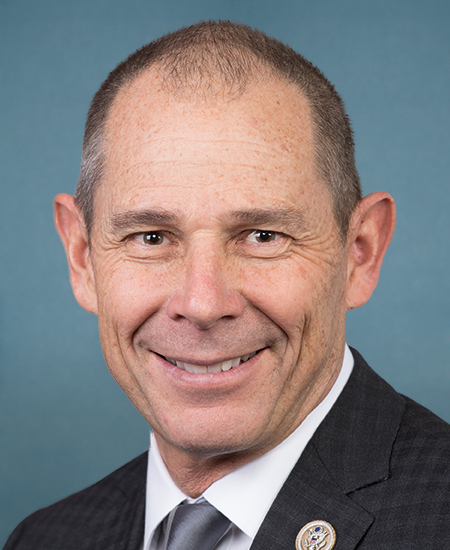
119th Congress Introduced by John Curtis and 1 co-sponsor

The act would expedite tribal energy project approvals, boost funding for tribal energy infrastructure, and ensure fair consultation and compensation with federal agencies.

Introduced in Senate
0
WeVote Research Nonpartisan
Bill Summary · S 1181

Legislative bill overview

The Tribal Energy Fairness Act of 2025 (S 1181) seeks to address disparities in energy project approvals on tribal lands. It proposes reforms to expedite the permitting process for tribal energy development, increase funding for tribal energy infrastructure, and ensure fair compensation and consultation mechanisms between tribes and federal agencies. The bill aims to empower tribal nations to better harness and manage their energy resources, thereby promoting economic development and energy independence within tribal communities.

Why is this important

This legislation is important because tribal lands often face bureaucratic delays and regulatory hurdles that impede energy development projects. By streamlining the approval process and enhancing funding, the bill could help tribal nations unlock significant economic and energy potential. Additionally, it supports tribal sovereignty by fostering more equitable partnerships and ensuring tribes have a meaningful voice in energy decisions that affect their lands and resources.

Potential points of contention

  • Some may argue the bill could undermine environmental review processes by prioritizing expedited permits, potentially overlooking environmental or cultural impacts.
  • Federal agencies might resist changes that reduce their oversight or authority in project approvals.
  • There could be debates on the adequacy and allocation of funding, with concerns that resources may still fall short of tribal needs.
  • The definition and scope of “fair compensation” and consultation requirements may be contested, with differing views on what constitutes equitable treatment.
  • Critics might worry about increased development leading to environmental degradation or disputes over land and resource use within and near tribal territories.

Compiled from official sources — confirm details with the bill’s official record.

Sign in to ask a question.