

WeVote

Bill

Bill

SB 418

Torts; cause of action against the knowing and unauthorized use of an individual's photograph or image together with representations of nudity or sexually explicit conduct; provide

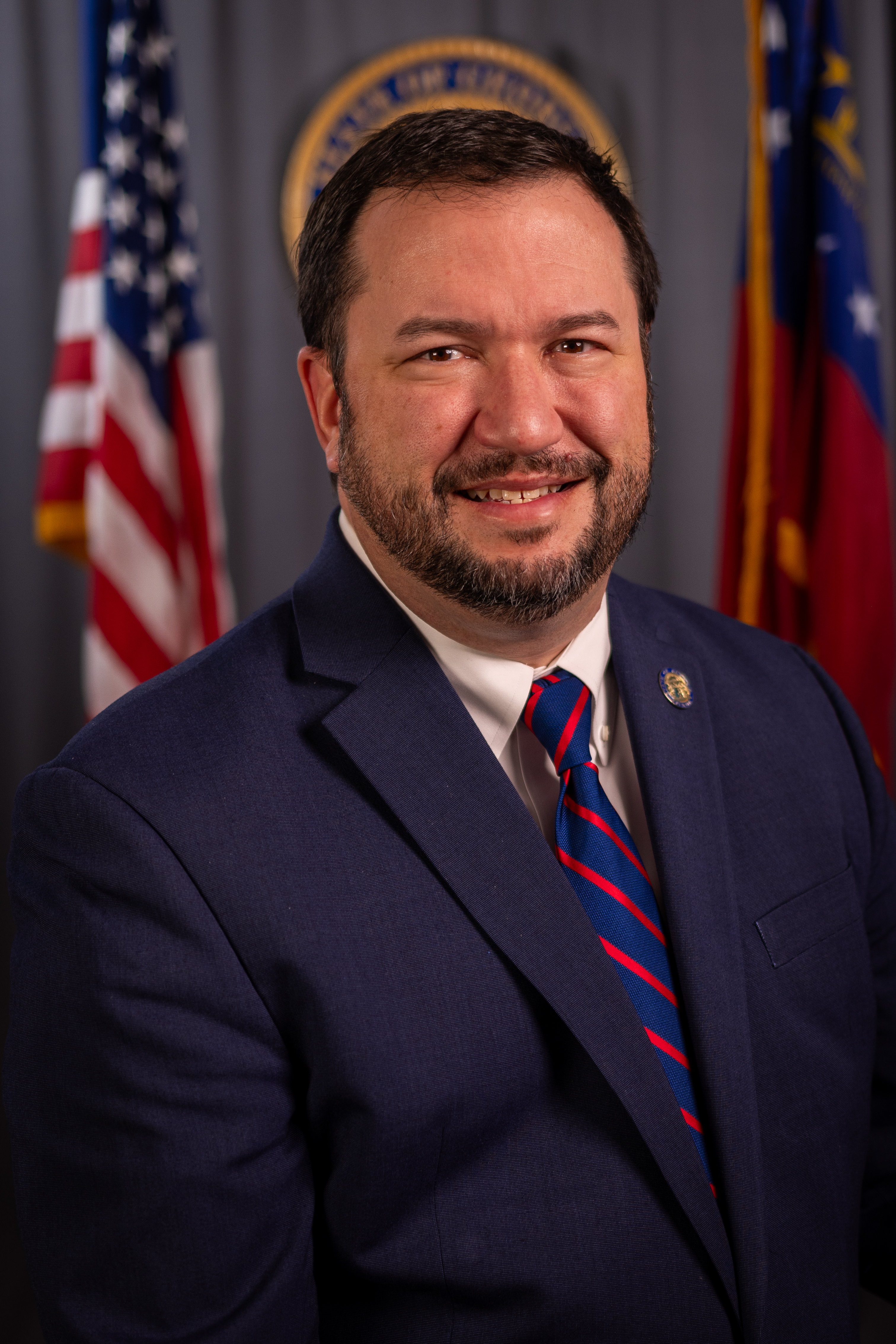
2025-2026 Regular Session Introduced by Jason Anavitarte and 12 co-sponsors

Georgia bill creates civil liability for knowingly using someone's photo with fake nudity/explicit content without consent, targeting deepfake pornography.

House Second Readers
0
WeVote Research Nonpartisan
Bill Summary · SB 418

Legislative bill overview

SB 418 creates a new civil cause of action allowing individuals to sue for damages when their photograph or image is knowingly and without authorization combined with representations of nudity or sexually explicit conduct. This addresses the harm caused by deepfake pornography and non-consensual intimate imagery, which has become increasingly prevalent with advancing technology.

Why is this important

Victims of image-based sexual abuse—particularly women—face serious psychological harm, reputational damage, and harassment. Currently, Georgia law may not adequately address this specific harm. This bill would provide a legal remedy and financial accountability for perpetrators, potentially deterring creation and distribution of such images while offering victims recourse through the civil courts.

Potential points of contention

  • Defining "representations" of nudity: The bill's language around what constitutes prohibited imagery could be ambiguous—does it include AI-generated depictions, artistic works, or only photorealistic content? Unclear definitions might lead to inconsistent enforcement or unintended restrictions on protected speech.
  • First Amendment concerns: Free speech advocates may argue the bill could restrict protected expression or be used to chill legitimate speech, particularly regarding satire, parody, or political commentary involving public figures.
  • Burden of proof and evidence: Determining "knowing and unauthorized use" requires establishing intent, which can be difficult to prove and may result in expensive litigation with uncertain outcomes for plaintiffs.

Compiled from official sources — confirm details with the bill’s official record.

Sign in to ask a question.