

WeVote

Bill

Bill

HR 9321

To temporarily expand the authorized uses of grants awarded under the Veterans Legacy Program of the National Cemetery Administration, and for other purposes.

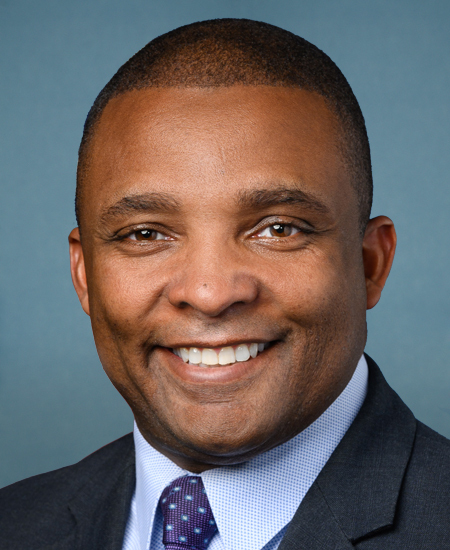
119th Congress Introduced by Don Davis and 1 co-sponsor

The bill temporarily broadens what Veterans Legacy Program grants may fund to expand veteran-focused projects and activities.

Subcommittee Hearings Held
0
WeVote Research Nonpartisan
Bill Summary · HR 9321

Bill Overview

HR 9321, introduced in the 119th Congress, seeks to temporarily expand the authorized uses of grants awarded under the Veterans Legacy Program of the National Cemetery Administration (NCA), along with other related purposes. The measure has been referred to the House Committee on Veterans' Affairs and has two co-sponsors: Rep. Zach Nunn and Rep. Don Davis.

Purpose and Intent

  • The primary aim is to broaden, on a temporary basis, what activities or programs funded by Veterans Legacy Program grants may cover. This suggests a response to evolving needs or opportunities identified by the NCA to honor veterans and support related legacy initiatives.
  • By expanding grant uses, the bill intends to enhance the effectiveness or reach of Veterans Legacy Program initiatives without waiting for longer-term statutory changes.

Key Provisions and Changes

  • Temporary Expansion: The bill authorizes a broader set of uses for grants issued under the Veterans Legacy Program. The specifics of the expanded uses (e.g., categories of projects, allowable expenditures, or administrative flexibilities) would be defined in the bill text or accompanying committee statements.
  • Scope of Grants: Applies to grants awarded under the NCA’s Veterans Legacy Program, potentially affecting grant recipients, grant administration, and oversight.
  • “Other Purposes”: The inclusion of “and for other purposes” indicates additional, non-specified changes related to the program or related administrative practices, which could involve related NCA activities or funding mechanisms.

Entities Affected

  • National Cemetery Administration: Major program administrator of the Veterans Legacy Program; subject to the expanded grant-use authorities.
  • Grant Recipients: Organizations, institutions, or entities selected to receive Veterans Legacy Program grants, who would be allowed to use funds for a broader range of activities.
  • Beneficiaries of Veterans Legacy Projects: Veterans, families, and communities benefitting from expanded initiatives and legacy projects.
  • House Veterans’ Affairs Committee: Receives the bill for consideration and potential drafting changes.

Procedural and Timeline Aspects

  • Introduction: The bill was introduced in the House and assigned to the Committee on Veterans' Affairs on June 15, 2026.
  • Committee Action: Referred to the House Committee on Veterans' Affairs for consideration. No further action (as of the provided history) is listed.
  • Legislative Process: As a House bill, it would need to pass the House, then move to the Senate (and be signed by the President) to become law. The “temporary” nature of the expansion suggests a sunset or review provision may accompany the expansion, though specifics are not provided in the summary.

Notes and Considerations

  • The exact language will determine the precise scope, duration, reporting requirements, oversight, and any funding implications.
  • The stated sponsors include two co-sponsors, indicating some cross-party or bipartisan support, but additional details would be in the bill text and subsequent committee amendments.
  • Stakeholders may include veterans’ service organizations, academic institutions, nonprofit organizations with memorial or veterans-focused programs, and local cemetery administrations seeking to implement expanded projects.

If you’d like, I can tailor this summary to emphasize potential fiscal impact, oversight mechanisms, or alignment with existing National Cemetery Administration programs once the bill text is available.

Compiled from official sources — confirm details with the bill’s official record.

Sign in to ask a question.