

WeVote

Bill

Bill

HR 8479

Protecting Consumers from Deceptive AI Act

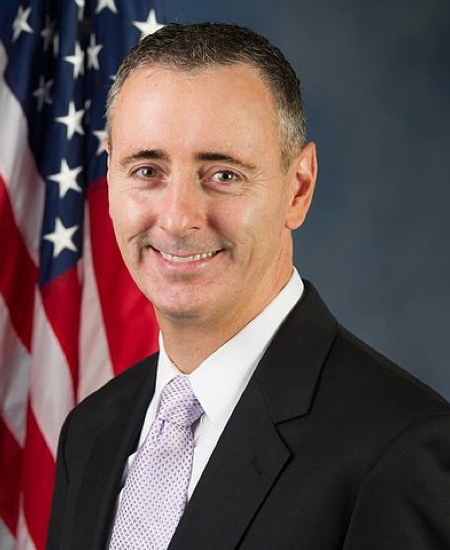
119th Congress Introduced by Brian Fitzpatrick and 2 co-sponsors

NIST would form task forces to create standards for identifying AI-generated content and require disclosures acknowledging AI origins in audio or visual media.

Introduced in House
0
WeVote Research Nonpartisan
Bill Summary · HR 8479

Summary of HR 8479 (119th Congress)

Title and Purpose

  • Full title: To require the National Institute of Standards and Technology to establish task forces to facilitate and inform the development of technical standards and guidelines relating to the identification of content created by generative artificial intelligence, to ensure that audio or visual content created or substantially modified by generative artificial intelligence includes a disclosure acknowledging the generative artificial intelligence origin of such content, and for other purposes.
  • Primary goal: Establish formal processes at the National Institute of Standards and Technology (NIST) to develop standards and guidelines around identifying content created or substantially modified by generative artificial intelligence (AI) and to require disclosures that acknowledge AI origins in audio/visual content.

Key Provisions

  1. NIST Task Forces

    • Mandates NIST to establish one or more task forces.
    • Purpose: to facilitate and inform the development of technical standards and guidelines related to:
      • Identification of content created by generative AI.
      • Best practices surrounding disclosure of AI-origin content in media.
  2. Disclosure Requirement

    • Requires that audio or visual content that is created or substantially modified by generative AI include a disclosure acknowledging the AI origin.
    • Aims to increase transparency for consumers, creators, and platforms regarding the use of generative AI in media production.
  3. Scope and Interaction with Other Provisions

    • The bill focuses on standards development and disclosure practices, with possible coordination with broader standards-setting activities led by NIST and related agencies.
    • Includes references to “other purposes” that would be elaborated by the statute (typical for enabling related regulatory or technical activities).

Who Would Be Affected

  • NIST: Required to form task forces and lead standards/guidelines development related to AI-generated content identification and disclosures.
  • Content Creators and Producers: Potentially obligated to include disclosures when content is generated or substantially altered by AI.
  • Distributors, Platforms, and Publishers: May need to implement disclosure requirements in media workflows, metadata, captions, or accompanying disclosures.
  • General Public/Consumers: Greater transparency about whether content is AI-generated or AI-modified.

Procedural and Timeline Considerations

  • Referral and Committee Consideration:

    • Introduced in the House and referred to the Committee on Energy and Commerce and the Committee on Science, Space, and Technology for consideration of provisions within their jurisdiction.
    • No specific dates for reporting or final action are provided in the summary; standard congressional timelines would apply if the committees advance the bill.
  • Sponsorship

    • Primary sponsor: , with co-sponsors:
    • Valerie Foushee
    • Jim Moylan

Potential Impacts and Implications

  • Standards Development: Establishes a formal, government-backed framework for evaluating and standardizing how AI-generated content is identified and disclosed.
  • Transparency and Trust: Could enhance consumer awareness of AI involvement in media, potentially affecting attribution, copyright considerations, and media literacy.
  • Compliance Requirements: If enacted, industry players in content creation and distribution may need to adjust workflows, metadata practices, and disclosure mechanisms to meet the new standards and disclosure obligations.
  • Technology-Neutral Approach: By focusing on standards and disclosures rather than mandating a single technical solution, the bill allows for multiple methods to identify AI-generated content.

Notes

  • As of the latest action, the bill has just been introduced and referred to committees. Further amendments, hearings, or floor action could modify the scope, requirements, or timelines.
  • The text references “other purposes,” indicating potential for additional provisions or related regulatory activities in subsequent amendments.

Compiled from official sources — confirm details with the bill’s official record.

Sign in to ask a question.