

WeVote

Bill

Bill

HR 8476

No Antisemitism in Education Act of 2026

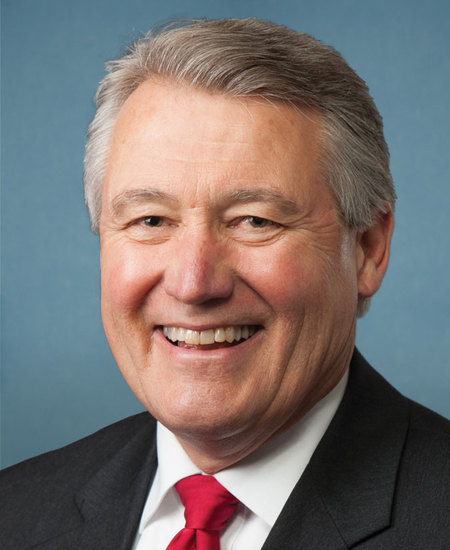
119th Congress Introduced by Rick Allen and 14 co-sponsors

Requires all federally funded schools to treat antisemitic discrimination with the same vigor as other Title VI discrimination, ensuring enforcing parity.

Committee Consideration and Mark-up Session Held
0
WeVote Research Nonpartisan
Bill Summary · HR 8476

Summary of HR 8476 (119th Congress)

Purpose and Intent

  • The bill aims to strengthen protections against antisemitism in federally funded education settings. Specifically, it requires every local educational agency (LEA) and institution of higher education (IHE) that receives federal financial assistance to treat discrimination motivated by antisemitism with the same vigor and enforcement as other forms of discrimination prohibited by Title VI of the Civil Rights Act of 1964 (which bars discrimination based on race, color, or national origin in programs receiving federal funds).

Key Provisions

  • Scope of application: Applies to all LEAs and IHEs that receive federal financial assistance.
  • Equivalence of enforcement: Mandates that discrimination motivated by antisemitism be treated "vigorously" and with the same priority as other Title VI-prohibited discrimination. This implies parity in investigation, reporting, remediation, and discipline processes.
  • Compliance requirement: Institutions must align their discrimination policies and enforcement practices to ensure antisemitic discrimination receives comparable attention, resources, and remedies as other protected categories under Title VI.
  • Federal funding condition: Compliance with these standards is tied to receipt of federal financial assistance. Noncompliance could potentially jeopardize such funding, though the bill text would specify enforcement mechanisms (not provided in the summary).

Affected Parties

  • Local educational agencies (LEAs): Public K–12 districts, charter schools, and other local school entities receiving federal funds.
  • Institutions of higher education (IHEs): Colleges, universities, and other postsecondary institutions receiving federal financial assistance.
  • Students and staff: Individuals within LEAs and IHEs who experience antisemitic discrimination would have recourse under enhanced enforcement practices.

Procedural and Timeline Aspects

  • Introduction and referral: The bill was introduced and referred on April 23, 2026.
  • Committee process: Referred to the House Committee on Education and the Workforce and the Committee on the Judiciary for consideration of provisions within their jurisdiction. The referral notes a period to be determined by the Speaker for consideration of such provisions.
  • Sponsors: Primary sponsor(s) with co-sponsors include Rep. Claudia Tenney and Rep. Randy Fine.

Potential Impacts and Considerations

  • Enforcement parity: Expected to raise the priority given to antisemitic discrimination in investigations, incident reporting, and remedial action, aligning it with other protected classes under Title VI.
  • Policy alignment: Institutions may need to review and revise campus policies, complaint procedures, training programs, and grievance timelines to ensure antisemitic incidents are addressed with equivalent rigor.
  • Funding implications: Since the requirement hinges on continued receipt of federal funds, institutions may face increased administrative oversight and potential eligibility determinations tied to compliance.
  • Legal and compliance implications: Could influence how disputes involving antisemitism are adjudicated and reported at both school district and university levels.

This summary aims to present the essential elements of HR 8476: its purpose, key provisions, who is affected, and notable procedural steps. If you need a deeper dive into potential budgetary or compliance implications, or a comparison with existing Title VI enforcement practices, I can provide that as well.

Compiled from official sources — confirm details with the bill’s official record.

Sign in to ask a question.