

WeVote

Bill

Bill

HB 2018

To require a statewide public school calendar to begin no earlier that September 1 and end no later than May 31

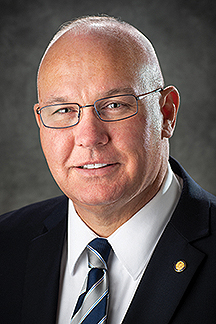
2025 Regular Session Introduced by Jeff Campbell and 6 co-sponsors

HB 2018 prohibits financial incentives for the Department of Child Safety, ensuring transparency and accountability in child welfare reporting and decision-making.

To House Education
0
WeVote Research Nonpartisan
Bill Summary · HB 2018

Summary of HB 2018: DCS; Reporting; Financial Incentives; Prohibition

Bill Number: HB 2018
Title: DCS; Reporting; Financial Incentives; Prohibition
Status: Prefiled
Introduced: November 19, 2025
Classification: Bill
Primary Sponsor: Rachel Keshel

Purpose and Intent

The primary purpose of HB 2018 is to address the financial incentives associated with the Department of Child Safety (DCS) and to implement a prohibition on certain reporting practices related to these incentives. The bill aims to ensure transparency and accountability in the operations of DCS, particularly concerning how financial incentives may influence decision-making processes.

Key Provisions

  • Prohibition of Financial Incentives: The bill seeks to prohibit DCS from offering or utilizing financial incentives that could affect the reporting and handling of cases related to child welfare. This includes any bonuses or financial rewards tied to the number of cases handled or the outcomes of those cases.

  • Reporting Requirements: HB 2018 mandates that DCS must adhere to strict reporting guidelines that ensure all financial transactions and incentives are disclosed. This aims to provide a clearer picture of how financial motivations may impact child welfare services.

  • Oversight Mechanisms: The bill proposes the establishment of oversight mechanisms to monitor compliance with the new reporting requirements and the prohibition of financial incentives. This may include regular audits and public reporting of DCS financial practices.

Impact

Who Would Be Affected

  • Department of Child Safety (DCS): The bill directly impacts DCS operations by restricting their ability to use financial incentives in their case management processes.

  • Child Welfare Advocates and Organizations: Organizations focused on child welfare may benefit from increased transparency and accountability in DCS practices, potentially leading to improved outcomes for children and families.

  • Legislators and Policymakers: The bill may influence future legislative discussions and policies surrounding child welfare funding and practices.

Potential Outcomes

  • Increased Transparency: By prohibiting financial incentives and enforcing reporting requirements, the bill aims to foster a more transparent environment within DCS, potentially leading to better public trust.

  • Improved Child Welfare Services: The focus on accountability may lead to more ethical decision-making within DCS, ultimately benefiting the children and families they serve.

Procedural Aspects

  • Current Status: As of now, HB 2018 is in the prefiled stage, meaning it has been introduced but not yet debated or voted on in the legislative assembly.

  • Next Steps: The bill will likely undergo committee review and discussion before being scheduled for a vote in the legislative session.

In summary, HB 2018 seeks to reform the financial practices of the Department of Child Safety by prohibiting financial incentives and enhancing reporting requirements, with the goal of improving transparency and accountability in child welfare services.

Compiled from official sources — confirm details with the bill’s official record.

Sign in to ask a question.