

WeVote

Bill

Bill

HR 8334

To provide for the suspension of bilateral and multilateral foreign assistance to the Government of Somalia, and for other purposes.

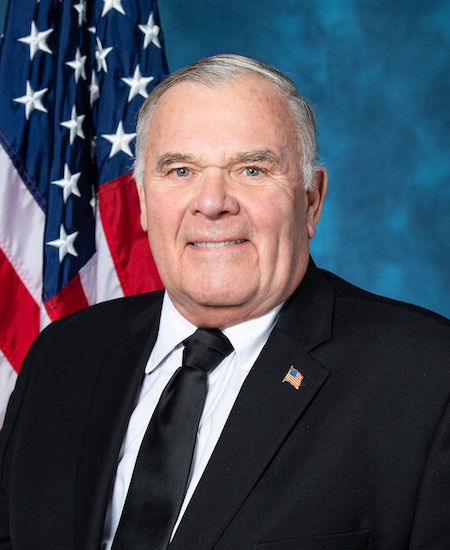
119th Congress Introduced by Jim Baird and 4 co-sponsors

The bill would suspend or condition U.S. bilateral and multilateral foreign aid to the Government of Somalia to pressure governance, security, and human rights reforms.

Introduced in House
0
WeVote Research Nonpartisan
Bill Summary · HR 8334

Summary of HR 8334 (Session 119) — To provide for the suspension of bilateral and multilateral foreign assistance to the Government of Somalia, and for other purposes

Note: This summary reflects the publicly available bill text and stated purpose as introduced. It may not reflect subsequent amendments or floor actions.

1) Purpose and intent

  • The bill seeks to authorize the suspension of foreign assistance to the Government of Somalia, both bilateral (direct aid from the U.S. to Somalia) and multilateral (through international organizations), for a specified period or under defined conditions.
  • The overarching goal appears to be leveraging U.S. foreign assistance to influence governance, security, counterterrorism, and human rights considerations within Somalia.

2) Key provisions and changes

  • Suspension of Foreign Assistance:
    • The bill directs or authorizes the withholding or suspension of bilateral U.S. aid to the Government of Somalia.
    • It also addresses suspension or conditionality of multilateral assistance where U.S.-funded programs are channeled through international organizations that fund the Somali government.
  • Conditions and Triggers:
    • The text typically includes criteria or conditions under which aid would be suspended or reinstated (e.g., progress on governance reforms, human rights improvements, counterterrorism commitments, accountability for wrongdoing).
    • May provide a timeline or process for reassessment and potential reprogramming of funds.
  • Reprogramming and Alternatives:
    • Provisions could authorize redirecting funds to humanitarian relief, civil society, or other non-governmental channels if bilateral/multilateral aid to the Somali government is suspended or restricted.
  • Oversight and Reporting:
    • Likely includes reporting requirements to Congress on the implications of the suspension, estimated impact on humanitarian needs, and steps to mitigate negative effects on civilians.
  • Related Provisions:
    • The bill may include “for other purposes” language that could touch on related policy tools, such as sanctions, dynamic alignment with regional security initiatives, or provisions addressing security sector reform and governance.

3) Who or what would be affected

  • Government of Somalia:
    • Direct or indirect reduction in U.S. financial support, potentially impacting government programs, budgetary support, and capacity-building efforts.
  • Multilateral Organizations:
    • U.S. influence over funding channels to Somalia via international bodies (e.g., UN agencies, World Bank, regional organizations) with potential funding reductions or conditions.
  • U.S. Programs and Implementing Partners:
    • U.S. agencies (e.g., USAID, Department of State) directing humanitarian or development programming in Somalia could face changes in funding architecture, with possible re-allocations to humanitarian relief or non-governmental channels.
  • Civil Society and Humanitarian Community:
    • Depending on implementation, humanitarian and civil society actors may experience shifts in funding, oversight, or access to resources, particularly if the bill prioritizes humanitarian safeguards during any suspension period.

4) Procedural and timeline aspects

  • Introduction and Referral:
    • Introduced in the House and referred to the Committee on Foreign Affairs, and to the Committee on the Judiciary for jurisdictional consideration, on 2026-04-16.
  • Action History:
    • The bill has an initial step to advance through committee deliberations, with potential markups, amendments, and reporting before floor consideration.
  • Possible Floor Consideration:
    • If reported, the bill would proceed to the House for debate and voting. Senate clearance or companion measures could follow (not specified in the provided text).
  • Implementation Timeline:
    • The bill may specify effective dates for suspension provisions, sunset clauses, or phased implementation, as well as timelines for reassessment and potential reinstatement of aid.

5) Notes and context

  • As introduced, the bill’s central thrust is to enable a suspension strategy for U.S. foreign assistance to Somalia, a policy lever that historically ties aid to governance, security, and human rights benchmarks.
  • The exact language on triggers, definitions (e.g., what constitutes “government of Somalia” or “beyond humanitarian aid” allocations), and waiver authorities (e.g., national security or humanitarian exceptions) would be crucial to understanding practical impact.
  • Readers should monitor subsequent committee reports and floor amendments for precise statutory language and operational guidance.

If you’d like, I can tailor this summary to include a side-by-side comparison with related existing statutes (e.g., general foreign assistance authorizations, human rights waiver provisions) or extract the exact statutory language once you provide the full text.

Compiled from official sources — confirm details with the bill’s official record.

Sign in to ask a question.