

WeVote

Bill

Bill

HR 8593

Fireworks for Freedom Act

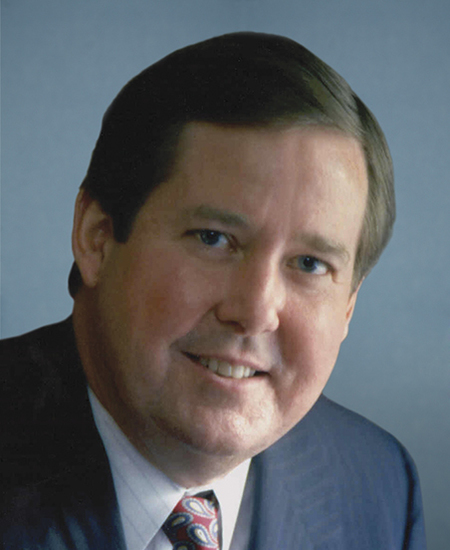
119th Congress Introduced by Ken Calvert

The bill would temporarily relax certain federal and state fireworks regulations during the 250th anniversary year, while allowing local authorities to maintain oversight.

Introduced in House
0
WeVote Research Nonpartisan
Bill Summary · HR 8593

Summary of HR 8593 (119th Congress)

Title

To provide a temporary waiver of certain Federal and State laws governing fireworks displays during the 250th anniversary year of the United States, while preserving local authority, and for other purposes.

Purpose and Intent

  • The bill proposes a temporary suspension or waiver of certain Federal and State laws/regulations that govern fireworks displays.
  • Thewaiver would apply specifically during the United States’ 250th anniversary year, with the aim of facilitating fireworks displays in celebration of the milestone.
  • Local authorities (e.g., city, county, or state governments) would retain their authority to regulate fireworks, indicating the bill does not transfer control away from local entities but modifies applicable barriers to display execution during the anniversary year.

Key Provisions (as described by the title and summary)

  • Temporary Waiver Window: The waiver would be in effect for the 250th anniversary year. The exact start and end dates are not specified in the available summary, but it is described as temporary and limited to the anniversary year.
  • Scope of Waivers: The act would suspend or relax certain Federal and State laws governing fireworks displays. The specific laws or regulatory provisions to be waived are not enumerated in the provided information.
  • Preservation of Local Authority: Despite the waivers, local authority over fireworks displays would be preserved. This suggests local governments could still regulate when, where, and how fireworks are used within their jurisdictions, subject to the temporary federal/state waivers.
  • For Other Purposes: The bill may contain additional provisions related to administration, compliance, enforcement, or related celebratory activities, but those specifics are not detailed in the provided summary.

Who Would Be Affected

  • Local Governments: Cities, counties, and states would operate under temporarily modified regulatory constraints for fireworks displays, while maintaining local regulatory authority.
  • Fireworks Displays Operators and Organizers: Event organizers and vendors could potentially plan larger or more flexible fireworks displays during the anniversary year due to the waivers.
  • Public Safety and Regulatory Agencies: Federal and State agencies involved in the oversight of fireworks would implement temporary waivers; local agencies would still oversee compliance at the local level.

Procedural and Timeline Aspects

  • Introduced: April 30, 2026.
  • Referred to Committee: House Committee on Oversight and Government Reform (April 30, 2026).
  • Status: Awaiting committee action (as of the provided information).
  • Sponsors: One identified co-sponsor: Rep. Ken Calvert.

Potential Impacts and Considerations

  • Celebratory Coordination: By easing regulatory barriers, the bill could enable larger or more frequent fireworks displays for the 250th anniversary celebration.
  • Safety and Compliance: While local authority is preserved, the term “waiver” implies temporary changes to regulatory requirements, which may raise questions about safety standards, environmental considerations, and permit requirements during the anniversary year.
  • Preemption and Local Autonomy: The balance between Federal/State waivers and local control will be central; the bill intends to preserve local authority, which could mean waivers are narrow or targeted to specific rules that hinder celebrations.

If you’d like, I can tailor this summary to focus on specific sections (e.g., safety standards, permitting processes, environmental considerations) or compare it with existing fireworks regulations.

Compiled from official sources — confirm details with the bill’s official record.

Sign in to ask a question.