

WeVote

Bill

Bill

HR 8731

Federal Employee Short-Term Disability Insurance Act of 2026

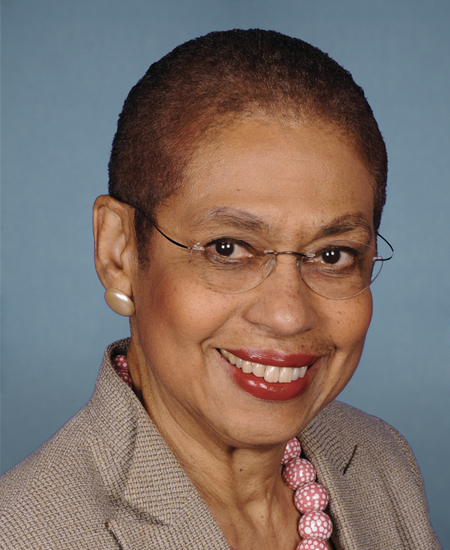
119th Congress Introduced by Eleanor Holmes Norton

Creates a federal short-term disability program for non-work-related illnesses, providing income replacement and job protection for eligible federal employees.

Introduced in House
0
WeVote Research Nonpartisan
Bill Summary · HR 8731

Overview

HR 8731, introduced in the 119th Congress, seeks to create a short-term disability insurance program for federal employees covering disabilities that are not work-related, along with additional related provisions. The bill has one listed co-sponsor: Eleanor Holmes Norton. It was referred to the House Committee on Oversight and Government Reform on May 11, 2026.

Purpose and intent

  • Establish a federal short-term disability insurance program for non-work-related disabilities affecting federal employees.
  • Provide eligible employees with a defined mechanism to receive income replacement and job protection during periods of non-work-related incapacity.
  • Create a framework that supplements or serves as an alternative to existing leave policies (e.g., sick leave) for short-term disability, with standardized benefits and procedures.

Key provisions and changes

While the full legislative text is not provided here, the bill’s title and summary indicate several typical components of a federal short-term disability program:

  • Eligibility: Likely criteria for federal employees to participate (e.g., tenure, status, and employment category). May specify who is covered (e.g., career civil servants, non-seasonal staff) and any exceptions.
  • Benefit structure: Provision of income replacement for a defined period during non-work-related disability, including benefit rate (percent of salary or specific dollar amount), duration (e.g., weeks or months), and any caps or waiting periods.
  • Funding: Determination of how the program is financed (e.g., employer funded via a payroll deduction, agency contributions, or a combination). Could include premium structures or administrative costs.
  • Administration: Agency or department responsible for administering the program, eligibility determinations, medical certification requirements, and appeals processes.
  • Interaction with leave: How the new program coordinates with existing leave rights (sick leave, annual leave, family and medical leave) and with other disability programs.
  • Job protection: Provisions ensuring that employees on short-term disability have job protection or restoration rights at the end of the disability period.

Who would be affected

  • Federal employees currently covered by the new program once enacted.
  • Federal agencies that would administer the program and manage payroll deductions, benefits administration, and employee communications.
  • Potentially affected groups within the federal workforce who experience non-work-related disabilities (e.g., medical conditions not arising from job duties).

Procedural and timeline aspects

  • Status: Introduced in the House and referred to the Committee on Oversight and Government Reform (as of May 11, 2026).
  • Next steps: Committee action (markup or report) could lead to floor consideration, potential amendments, and Senate referral if it advances to that stage.
  • Implementation timeline: Any final act would typically include effective dates for enrollment, start of benefits, and any phase-in schedule, but specific dates would be detailed in the bill text.

Potential implications

  • Financial impact: Depending on funding and premium/employee contribution structure, there could be cost implications for federal agencies and employees.
  • Benefit access: Could enhance income protection for non-work-related disabilities, reducing reliance on unpaid leave or extended recovery periods.
  • Administrative burden: Agencies would need to administer eligibility determinations, medical certifications, and coordination with existing leave policies.

If you’d like, I can tailor this summary to a more detailed analysis once the full text is available or provide a comparison to existing federal leave and disability programs.

Compiled from official sources — confirm details with the bill’s official record.

Sign in to ask a question.