HR 8642 (119th Congress) — Summary
Overview
- Title: To provide a Foreign Service officer career pathway for former United States Agency for International Development officers.
- Purpose: Create a formal career pathway within the U.S. Foreign Service for individuals who previously served as officers at the United States Agency for International Development (USAID), facilitating transition, retention, and utilization of their international development experience within the U.S. Department of State’s Foreign Service.
Key Provisions (as described by the bill’s stated objective)
- Career Pathway Creation: Establish a structured track within the Foreign Service specifically designed for former USAID officers, outlining eligibility, recruitment, assignment opportunities, and advancement criteria.
- Eligibility: Criteria likely to include prior USAID officer service, relevant field experience, and meeting general Foreign Service suitability requirements. (Exact language would be in the bill text; the summary reflects typical elements of such pathways.)
- Hiring and Placement: Mechanisms to place eligible individuals into appropriate Foreign Service roles, leveraging their development expertise in diplomacy, international programs, and policy implementation.
- Training and Preparation: Provision of targeted onboarding, language and cultural training, and policy-specific preparation to ensure successful transition into Foreign Service duties.
- Career Development: Opportunities for career progression, assignments, and professional development aligned with both Foreign Service standards and the development-focused experience of former USAID officers.
- Oversight and Administration: Likely establishment of a coordinating body or office within the State Department to administer the pathway, monitor outcomes, and ensure program integrity.
- Reporting: Provisions for periodic reporting on utilization, retention, and impact of the pathway, enabling evaluation and potential adjustment.
Who is Affected
- Primary Affected Population: Former USAID officers seeking to transition into the U.S. Foreign Service.
- Institutions: U.S. Department of State (Foreign Service), potentially USAID in a transition role, and relevant congressional committees overseeing foreign affairs and foreign assistance.
- Stakeholders: Current Foreign Service personnel, USAID colleagues, and broader U.S. foreign policy and development communities who rely on experienced development specialists.
Procedural and Timeline Aspects
- Introduction and Referral: Introduced in the House and referred to the House Committee on Foreign Affairs (April 30, 2026).
- Next Steps: Committee review, potential markups, floor consideration, and votes before advancing to the Senate or becoming law (subject to Senate action and potential reconciliation).
Notes
- The bill’s Senate status, specific eligibility language, funding provisions, and detailed program design will be clarified in the full text and any accompanying committee reports.
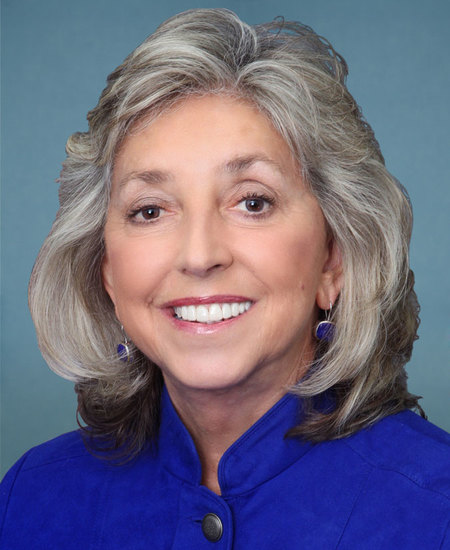
- Co-sponsor: Dina Titus (additional support to the bill’s passage).
Impact and Implications
- Policy Rationale: Aims to retain skilled personnel with practical development experience by leveraging USAID expertise within the diplomatic corps, potentially improving the efficacy of development diplomacy and U.S. international programs.
- Resource Considerations: Implementation would require staffing, training resources, and potential budget authority to support program administration and training.
This summary reflects the bill’s stated purpose and the typical elements such a pathway would entail. For precise language, eligibility thresholds, funding, and implementation details, the full bill text and any accompanying committee documentation should be consulted.