

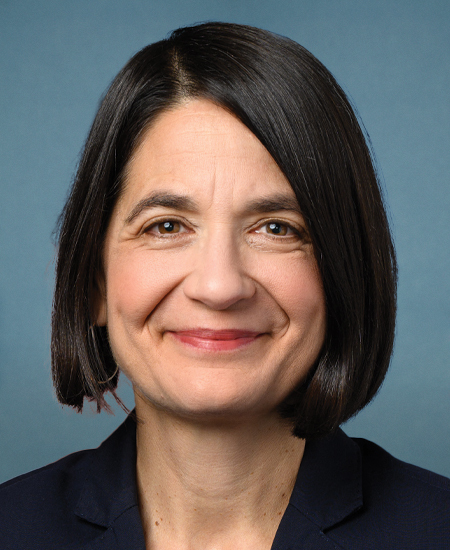
NO FAKES Act of 2026
The bill protects a person’s voice and visual likeness from unauthorized commercial use and synthetic representations, with remedies for violations.
HR 8915, introduced in the 119th Congress and referred to the House Judiciary Committee on May 20, 2026, seeks to protect intellectual property rights in the voice and visual likeness of individuals. The bill is supported by a bipartisan group of co-sponsors.
While the bill text is not provided here, typical elements for this type of legislation may include:
- Prohibitions on creating, selling, distributing, or using a person’s voice or visual likeness for commercial purposes without consent.
- Stronger penalties or civil remedies for violations, including damages, injunctive relief, and potentially statutory damages.
- Definitions of protected “voice” and “visual likeness,” incorporating real-time or synthesized representations (e.g., deepfakes, digital avatars).
- Consent requirements, carve-outs, and possible exception provisions for parody, commentary, or transformative uses.
- Procedures for individuals to enforce rights, including private rights of action and possible administrative or regulatory remedies.
- Possible limitations or requirements for the use of artificial intelligence technologies in reproducing a person’s likeness or voice.
- Safeguards to prevent false claims or abuse of the statute.
Compiled from official sources — confirm details with the bill’s official record.
Sign in to ask a question.