
Bill

BILL • US HOUSE

HR 8698

To protect consumers from gasoline and fuel price gouging, and for other purposes.

119th Congress

The bill aims to protect consumers from gasoline and fuel price gouging by empowering federal enforcement and establishing standards to curb abusive price hikes.

Introduced in House
0
0
Bill Summary · HR 8698

Summary of HR 8698 (119th Congress)

Purpose and intent

  • HR 8698 is a bill aimed at protecting consumers from gasoline and fuel price gouging. The core intent is to curb abusive or exploitative pricing practices in the fuel market and provide authorities with tools to respond to price spikes that harm consumers.

Key provisions and changes (high-level)

  • The bill establishes or clarifies consumer protection measures related to gasoline and other fuels, focusing on preventing price gouging during periods of abnormal volatility or emergency conditions.
  • It likely outlines criteria or standards for what constitutes price gouging in the fuel sector, including thresholds or indicators (e.g., sudden, unjustified price increases, lack of supply disruptions that would justify hikes).
  • The legislation may authorize or empower federal agencies to investigate fuel price increases and enforce prohibitions against gouging, including potential penalties, penalties structure, and enforcement mechanisms.
  • It could provide guidance on consumer relief options, such as refunds, penalties, or other corrective actions for entities found in violation.
  • The bill may include consumer information provisions to improve transparency around fuel pricing, such as disclosure requirements or public guidance during price spikes.
  • There might be coordination provisions with state and local authorities to ensure consistent enforcement and to prevent evasion by retailers.

Affected parties and impacts

  • Consumers: direct beneficiaries through protections against deceptive or unfair fuel pricing and potential relief in cases of gouging.
  • Fuel retailers and distributors: subject to new prohibitions and enforcement mechanisms; may face penalties or liability if found to engage in gouging practices.
  • Federal agencies (e.g., Department of Energy, Federal Trade Commission, or other relevant entities): responsible for enforcing provisions, investigating complaints, and issuing guidance or penalties.
  • State and local authorities: potential coordination role to align enforcement and share information.

Procedural and timeline aspects

  • Introduction and referral: The bill was introduced in the House and referred on May 7, 2026.
  • Committee referrals: Referred to the Committee on Energy and Commerce, and also to the Committee on Education and Workforce for consideration of provisions within their jurisdiction. The referral notes that the committees will consider provisions falling within their respective jurisdictions.
  • No specific dates for markup, voting, or enactment are provided in the available information; typically, the next steps would involve committee hearings, markups, and floor consideration.

Sponsors

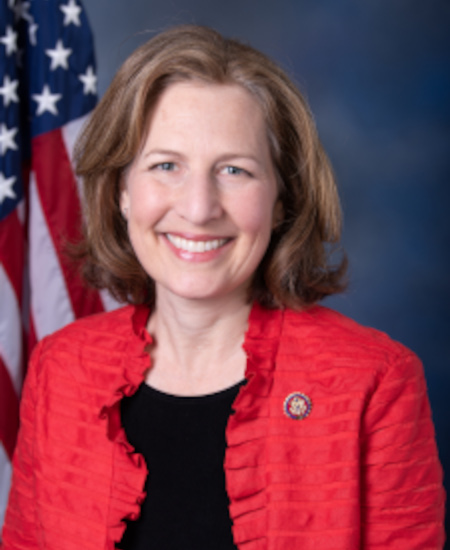
  • Co-sponsors: Kristen McDonald Rivet and Kim Schrier

Notes

  • The available action history does not provide the bill’s full text or explicit detail on the exact statutory language, definitions, penalties, or funding provisions. For a thorough understanding, one would need to review the bill’s text, any committee reports, and fiscal analyses once available.

Hi! I'm your AI assistant for HR 8698. I can help you understand its provisions, impacts, and answer any questions.

Key Provisions Impacts Timeline
Sign in to chat

Start the Conversation

Be the first to share your thoughts on this petition. Your voice matters!

Share your opinion above
