

WeVote

Bill

Bill

HR 9598

To prohibit the use of Federal, State, foreign, or private funds to install permanent fencing around Lafayette Square.

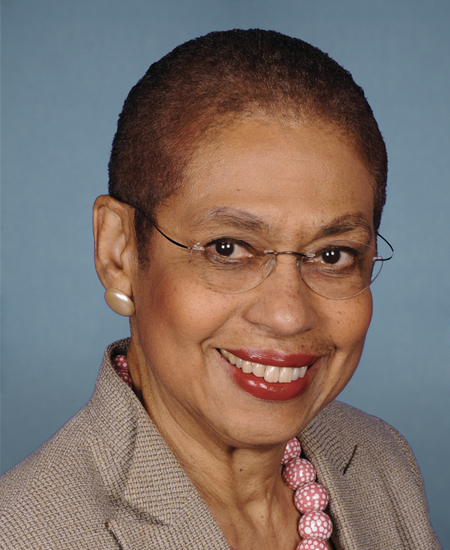
119th Congress Introduced by Eleanor Holmes Norton

Prohibits use of federal, state, foreign, or private funds to install or maintain permanent fencing around Lafayette Square.

Sponsor introductory remarks on measure. (CR E653-654)
0
WeVote Research Nonpartisan
Bill Summary · HR 9598

Overview

HR 9598 is a bipartisan bill introduced in the 119th Congress that would prohibit the use of federal, state, foreign, or private funds to install permanent fencing around Lafayette Square in Washington, D.C. The measure aims to restrict funding sources for constructing or maintaining permanent barrier fencing in that specific public space.

Main purpose and intent

  • Prohibit permanent fencing around Lafayette Square by blocking funding from multiple sources (federal, state, foreign, and private).
  • Seek to prevent the installation or long-term presence of permanent barriers in Lafayette Square, addressing concerns about funding transparency and the appropriate use of public space security features.

Key provisions and changes

  • Funding prohibition:
    • No use of Federal funds to install or maintain permanent fencing around Lafayette Square.
    • No use of State funds to install or maintain permanent fencing around Lafayette Square.
    • No use of foreign funds to install or maintain permanent fencing around Lafayette Square.
    • No use of private funds to install or maintain permanent fencing around Lafayette Square.
  • Scope:
    • Applies specifically to Lafayette Square, the public park area adjacent to the White House.
  • Compliance and enforcement:
    • The bill would establish enforcement mechanisms to ensure that funds from the prohibited sources are not used for permanent fencing in the designated area (exact enforcement details would be specified in the text, such as reporting requirements or penalties for violations).

Who would be affected

  • Government agencies at the federal and state levels involved in funding, budgeting, or approving security improvements for Lafayette Square.
  • Private entities or individuals seeking to contribute funds for fencing in Lafayette Square (they would be barred from using private funds for this purpose).
  • Public-access users of Lafayette Square, who would be impacted indirectly by the restriction on permanent fencing funded from various sources.

Procedural and timeline aspects

  • Introduced in the House on July 6, 2026.
  • Referred to the House Committee on Natural Resources for review and consideration.
  • House Sponsor: (noted) Eleanor Holmes Norton (co-sponsor).
  • The bill would undergo committee consideration, possible amendments, and then potential Floor action, subject to GOP or Democratic leadership priorities and scheduling.

Potential implications

  • If enacted, the bill would narrow the funding pathways available for permanent fencing in Lafayette Square, potentially preserving a more open or unfenced public space and limiting external influence on security design choices through private or foreign funding.
  • It may affect security planning and budgetary decisions related to Lafayette Square by ensuring all activity complies with the funding restrictions.
  • The measure could prompt further discussion about security features, aesthetics, and the role of public spaces surrounding the White House.

Note: The summary reflects the bill’s stated scope and provisions as introduced. For precise text, including any defined terms, enforcement provisions, penalties, or exceptions, consulting the bill’s full language and any subsequent amendments is recommended.

Compiled from official sources — confirm details with the bill’s official record.

Sign in to ask a question.