

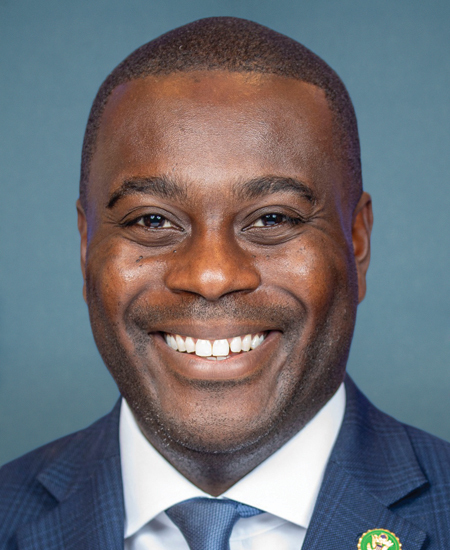
Bill
Bill Summary · HR 8968

Overview

HR 8968 is a proposed federal bill in the 119th Congress that would prohibit the President from filing a civil action against the United States. The measure was introduced in the House and referred to the Judiciary Committee on May 21, 2026. It has a large slate of cosponsors from diverse districts.

Purpose and Intent

  • Primary aim: To restrict the President from initiating civil lawsuits against the United States in the President’s official or personal capacity.
  • The bill seeks to limit the ability of the executive branch to sue the federal government itself, potentially altering how legal disputes involving the President interact with federal litigation mechanisms.

Key Provisions and Changes

  • Prohibition on Civil Actions by the President: The central provision would bar the President from filing any civil action against the United States as a party to a lawsuit.
  • Scope: The language, as described, focuses specifically on civil actions the President might pursue against the United States. It does not, from the description alone, address other litigation scenarios (e.g., lawsuits filed by the President against other entities, or civil actions involving the President in other capacities).
  • Procedure and Litigation Implications: If enacted, the bill would necessitate alternative routes for resolving disputes that might otherwise be brought by the President against the United States, such as administrative remedies, settlements, or litigation initiated by other parties.

Who/What Would be Affected

  • The President: Directly restricted from filing civil actions against the United States.
  • United States Government Civil Litigation: The government as a defendant in civil actions filed by the President would be insulated from such filings, potentially changing the plaintiff-defendant dynamics in cases involving executive-branch disputes with the federal government.
  • Legal and Administrative Processes: Agencies, the Department of Justice, and the courts would need to interpret and enforce the prohibition, adjust docketing and defense strategies, and determine appropriate remedies if a related action is contemplated.

Procedural and Timeline Considerations

  • Introduction and Referral: Introduced in the House and referred to the House Committee on the Judiciary on May 21, 2026.
  • Legislative Path: As a committee-referred bill, it would require approval by the Judiciary Committee, potential further committee markup, and eventual floor consideration, followed by passage in one or both chambers and potential reconciliation with any Senate version.
  • Enforcement and Effective Date: The summary does not specify an effective date or transition period. If enacted, implementing regulations or clarifying amendments might be added to address ongoing or pending cases.

Additional Context

  • Sponsorship: The bill has a coalition of co-sponsors, including notable members across various regions and committees, indicating bipartisan attention and interest in the issue of executive-initiated civil litigation against the United States.
  • Limitations of Summary: The description provided focuses on the prohibition of civil actions by the President against the United States. It does not detail exceptions, severability, impact on other branches, or potential constitutional challenges. Further text would be needed to assess full legal implications, including any interplay with presidential immunity or other immunities.

If you’d like, I can incorporate the exact statutory language (if available) and map out hypothetical scenarios, potential constitutional questions, and a side-by-side comparison with existing law related to sovereign immunity and executive litigation.

Hi! I'm your AI assistant for HR 8968. I can help you understand its provisions, impacts, and answer any questions.

Key Provisions Impacts Timeline
Sign in to chat

Start the Conversation

Be the first to share your thoughts on this petition. Your voice matters!

Share your opinion above