

WeVote

Bill

Bill

HR 9158

To prohibit the differential treatment of Hong Kong with respect to China and to impose sanctions with respect to certain persons who undermine democracy and human rights in Hong Kong, and for other purposes.

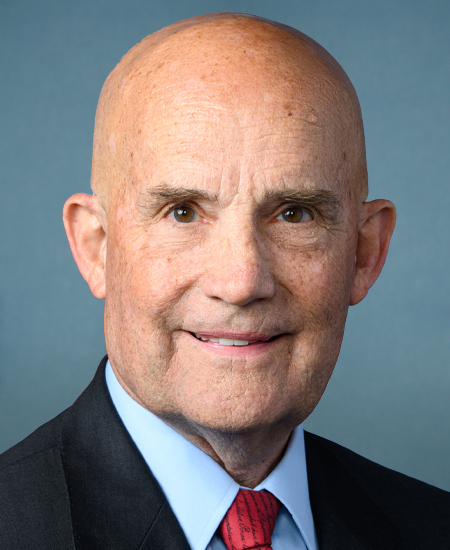
119th Congress Introduced by Keith Self

Prohibits treating Hong Kong less favorably than China and imposes targeted sanctions on individuals who undermine Hong Kong’s democracy and human rights.

Introduced in House
0
WeVote Research Nonpartisan
Bill Summary · HR 9158

Overview

HR 9158, introduced in the 119th Congress, seeks to address U.S. policy toward Hong Kong by prohibiting the differential treatment of Hong Kong relative to China and by imposing sanctions on individuals who undermine democracy and human rights in Hong Kong. The bill is sponsored (with a co-sponsor) by a House member and has been referred to the House Committee on Foreign Affairs.

Primary purpose and intent

  • To prevent the United States from treating Hong Kong less favorably than China in ways that would be inconsistent with U.S. commitments to democracy and human rights.
  • To respond to actions that undermine democratic governance and civil liberties in Hong Kong by imposing targeted sanctions on individuals responsible for such actions.
  • To align U.S. policy toward Hong Kong more closely with the broader U.S. stance on human rights and democracy in the region.

Key provisions and changes

  • Prohibition on differential treatment: The bill requires the U.S. government to avoid policy, regulatory, or programmatic distinctions that would place Hong Kong in a position materially different from China in ways that undermine Hong Kong’s autonomy or democratic rights, subject to stated exceptions.
  • Sanctions mechanism: The bill authorizes or directs sanctions against individuals (and potentially entities) deemed to undermine democracy, freedom of expression, assembly, or other human rights in Hong Kong. Sanctions could include visa restrictions, asset freezes, and other measures commonly used in sanction regimes.
  • Targeted focus: Sanctions are aimed at specific persons rather than broad geographic or sector-wide actions, emphasizing accountability for individual actors.
  • Other authorities and tools: The bill may authorize related diplomatic or regulatory authorities to implement and enforce provisions, including reporting requirements, compliance measures for financial institutions, and periodic reviews of Hong Kong-related policy.
  • Additional purposes: The bill may contain “for other purposes” language typical of foreign affairs bills, potentially allowing related executive actions or related policy measures aligned with the bill’s core goals.

Who/what would be affected

  • Government personnel and agencies: U.S. executive branch agencies implementing sanctions, export controls, and policy alignment with Hong Kong relative to China.
  • Individuals identified as undermining democracy or human rights in Hong Kong: Subject to sanctions (e.g., asset freezes, travel bans, visa restrictions).
  • Potentially Hong Kong and Chinese entities or individuals tied to actions restricting civil liberties or democratic processes (depending on the bill’s definitions of “undermine democracy” and “human rights” and any covered persons).
  • Financial institutions and businesses: May face compliance obligations to screen for sanctioned individuals and adhere to any new reporting requirements.

Procedural and timeline aspects

  • Introduction and referral: Introduced in the House and referred to the House Committee on Foreign Affairs (as of the latest action history).
  • Next steps: The committee would hold hearings and markup to potentially amend and advance the bill. If approved by the committee, it would proceed to floor consideration and, if passed, move to the Senate or be subject to further legislative action.
  • Effective date and implementation: Not specified in the provided action history; typically, operative provisions would include a delayed effective date or phased implementation, with regulatory guidance issued to implement sanctions and policy changes.

Potential impact and considerations

  • Policy alignment: Signals a stronger U.S. stance on Hong Kong’s political rights and autonomy in relation to China.
  • Deterrence and accountability: Uses targeted sanctions aimed at individuals responsible for eroding rights, potentially affecting travel, financial, and diplomatic dimensions for those designated.
  • Compliance implications: Financial institutions and multinational entities would need to monitor and comply with sanctions provisions, potentially increasing due diligence and reporting requirements.
  • Geopolitical effects: Could influence U.S.-Hong Kong-China relations and shape ongoing discussions about autonomy, governance, and freedom in Hong Kong.

Note: The summary reflects the information available from the bill’s title, purpose as stated, and the provided action history. For precise text, definitions, eligibility criteria, and specific sanction authorities, refer to the bill’s full text and any accompanying committee reports.

Compiled from official sources — confirm details with the bill’s official record.

Sign in to ask a question.