Summary of HR 9317 (Session: 119)
Purpose and intent
- HR 9317 seeks to prohibit certain engine idling restrictions for specific vehicles, notably over-the-road buses and school buses, when the engine idle time is less than 15 minutes. In effect, it would prevent state or local rules from limiting or penalizing short-duration idling for these buses.
- The underlying aim appears to be to provide flexibility for bus operators by limiting regulatory constraints on brief idling periods, potentially tied to operational needs such as passenger loading/unloading, climate control, or engine protection, during short stops.
Key provisions and changes
- Prohibition scope: The bill prohibits enforcement of engine idling restrictions for over-the-road buses and school buses when idling time is under 15 minutes.
- Targeted vehicles: Over-the-road buses and school buses are the primary classes affected by the provision.
- Idling threshold: The explicit threshold is 15 minutes; idling less than 15 minutes would be exempt from existing or future idling restrictions under the bill’s scope.
- No explicit preemption language in the summary for other vehicle classes: The bill’s text, as described, focuses on the specified bus categories and does not overtly state applicability to other vehicle types in the summary provided.
Who or what would be affected
- Bus operators and fleet managers that operate over-the-road buses and school buses.
- Local, state, and possibly federal agencies that implement or regulate engine idling restrictions for the targeted bus categories.
- Passengers and communities served by these buses may experience fewer regulatory constraints during short stops, potentially affecting operational policies regarding climate control, safety, and maintenance practices.
Procedural and timeline aspects
- Introduction: The bill was introduced in the House.
- Referral: On June 15, 2026, HR 9317 was referred to the House Committee on Energy and Commerce.
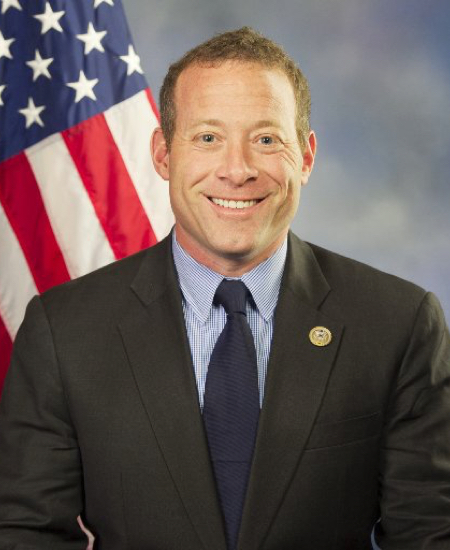
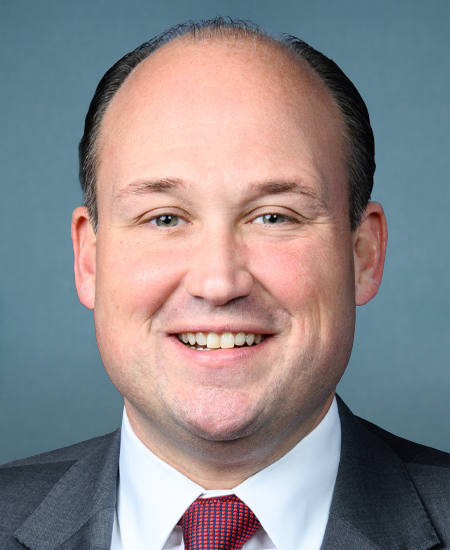
- Sponsorship: The bill has co-sponsors, including Josh Gottheimer and Nick Langworthy.
- Next steps (typical): If advanced by the committee, it could undergo markup, debate, and potential floor consideration. Passage in the House would then move to the Senate, where it would face its own committee processes and votes, and, if enacted, be sent to the President for signature or veto.
Additional notes
- The summary provided does not include specific funding implications, enforcement mechanisms, or penalties for non-compliance. If those elements exist in the full text, they would be important for a fuller understanding.
- As with any bill, the exact language can affect interpretation, including how exceptions are defined, how “less than 15 minutes” is measured (continuous vs. cumulative idling), and how cooperative federal-state regulations interact with this prohibition.
If you’d like, I can tailor this summary to emphasize particular stakeholders (e.g., school districts, bus operators, environmental groups) or pull in related regulatory contexts (e.g., existing state idling rules for buses) once the full text becomes available.



Start the Conversation
Be the first to share your thoughts on this petition. Your voice matters!