

WeVote

Bill

Bill

HR 8078

To modernize voter registration, promote access to voting for individuals with disabilities, protect the ability of individuals to exercise the right to vote in elections for Federal office, and for other purposes.

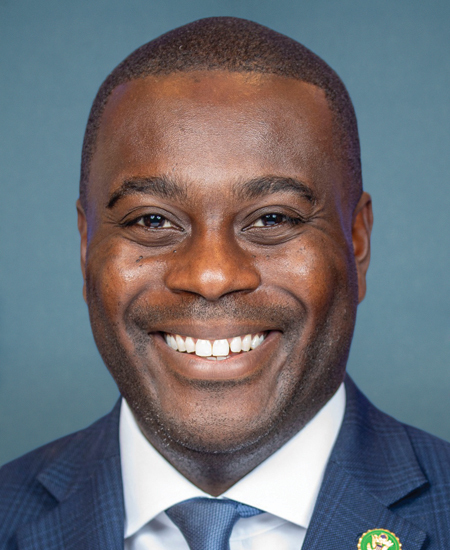
119th Congress Introduced by Gabe Amo and 2 co-sponsors

Modernizes voter registration, expands accessibility for voters with disabilities, and strengthens protections to safeguard the right to vote in federal elections.

Introduced in House
0
WeVote Research Nonpartisan
Bill Summary · HR 8078

Summary of HR 8078 (119th Congress)

Title

To modernize voter registration, promote access to voting for individuals with disabilities, protect the ability of individuals to exercise the right to vote in elections for Federal office, and for other purposes.

Purpose and Intent

  • The bill seeks to modernize and streamline voter registration processes.
  • It aims to expand and safeguard access to voting for individuals with disabilities.
  • It is intended to protect the fundamental right to vote in federal elections and address barriers to participation.

Key Provisions (Provisions are summarized from the bill’s stated objectives; if the text includes specific sections, they would detail the following areas)

  • Voter Registration Modernization

    • Modernizing how individuals register to vote, potentially including online registration or updated verification methods.
    • Streamlining registration timelines and eligibility checks to reduce barriers and delays.
    • Harmonization of state registration processes with federal guidance to facilitate participation.
  • Access for Individuals with Disabilities

    • Ensuring polling places and voting systems are accessible to voters with disabilities.
    • Provisions to improve accommodations, including accessible marking options, assistance at the polls, and accessible absentee or mail-ballot processes.
    • Training and standards to ensure election staff can assist voters with disabilities effectively.
  • Protection of Voting Rights

    • Measures intended to safeguard the ability of all eligible citizens to vote in federal elections.
    • Provisions to prevent unlawful disenfranchisement and to address discriminatory practices or barriers.
    • Potential remedies or enforcement mechanisms to uphold voting rights.
  • Federal-state Coordination

    • Likely interoperability or guidance provisions that align federal standards with state-level administration of elections.
    • Mechanisms for oversight, reporting, and accountability to ensure compliance with the bill’s requirements.

Who Would Be Affected

  • Voters, particularly:
    • Individuals seeking to register or update registration information.
    • Voters with disabilities who require accessible voting options or accommodations.
    • Citizens seeking to participate in federal elections (House and Senate races and presidential elections).
  • Election officials and staff at federal, state, and local levels responsible for implementing registration, accessibility, and rights protections.
  • Federal agencies involved in election administration guidance and enforcement.

Procedural and Timeline Aspects

  • Introduction: The bill was introduced in the House.
  • Referral: On March 25, 2026, HR 8078 was referred to multiple committees:
    • House Administration
    • Judiciary
    • Oversight and Government Reform
    • Science, Space, and Technology
    • Education and Workforce
    • Energy and Commerce
  • The committees would consider provisions within their jurisdictions, with the speaker determining the timeline for consideration.

Notes and Considerations

  • Specific funding levels, implementation timelines, and enforcement mechanisms would be defined in the bill’s text and any amended versions.
  • The bill appears to take a multi-committee approach, reflecting its broad scope, from accessibility and civil rights to technology, education, energy, and commerce implications for election administration.
  • As with many reform bills, the actual impact depends on the final language approved by Congress and any enacted accompanying regulations or guidance.

If you’d like, I can pull out the exact section-by-section provisions and provide a more granular, section-specific summary once the bill text is available.

Compiled from official sources — confirm details with the bill’s official record.

Sign in to ask a question.