

WeVote

Bill

Bill

HR 9070

To improve immigration enforcement transparency, preserve civil rights, and improve the accountability of immigration enforcement personnel, and for other purposes.

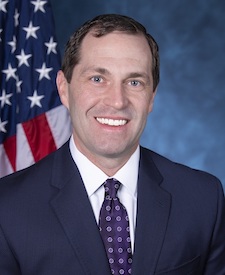
119th Congress Introduced by Jason Crow and 3 co-sponsors

The bill aims to increase transparency, strengthen civil rights protections, and boost accountability for immigration enforcement personnel and agencies.

Introduced in House
0
WeVote Research Nonpartisan
Bill Summary · HR 9070

Overview

HR 9070 (119th Congress) seeks to improve immigration enforcement transparency, preserve civil rights, and enhance accountability for immigration enforcement personnel, with additional provisions for related purposes. The bill was introduced in the House and referred to the Judiciary Committee and the Homeland Security Committee for consideration of provisions within their jurisdictions. Co-sponsors include Joe Neguse, Brittany Pettersen, and Jason Crow.

What the bill aims to accomplish

  • Increase transparency in immigration enforcement activities.
  • Protect civil rights of individuals subject to immigration enforcement.
  • Strengthen accountability mechanisms for immigration enforcement personnel and agencies.

Key provisions and changes (as described or anticipated by bill title and typical legislative patterns)

Note: Specific textual details are not provided in the summary you supplied. The following sections outline the types of provisions such bills commonly include. If you have the bill text, I can tailor this section precisely to its language.

  • Transparency enhancements

    • Public reporting requirements on enforcement actions (arrests, removals, detentions).
    • Establishment or expansion of accessible databases and dashboards for enforcement data.
    • Regular publication of performance metrics and compliance evaluations.
  • Civil rights protections

    • Clarification and reinforcement of non-discrimination obligations in enforcement activities.
    • Safeguards to prevent profiling or discriminatory practices.
    • Provisions for handling complaints and independent review of civil rights complaints.
  • Accountability and oversight

    • Strengthened internal oversight and independent review mechanisms.
    • Enhanced reporting requirements to Congress and, potentially, to existing inspector general offices.
    • Potential new or reinforced whistleblower protections for personnel and the public.
  • Administrative and procedural updates

    • Possible revisions to procedures governing arrests, detentions, and release decisions to ensure due process.
    • Provisions related to training, standards, and professional conduct for immigration enforcement personnel.
    • Clarifications on the authorities and limits of immigration agencies.

Who would be affected

  • Immigration enforcement agencies (e.g., U.S. Immigration and Customs Enforcement, and related DHS components) through new reporting, oversight, and conduct requirements.
  • Enforcement personnel, who would be subject to enhanced standards, training, and accountability procedures.
  • Immigrants, asylum seekers, and other individuals interacting with immigration enforcement, who may benefit from stronger civil rights protections and fair process assurances.
  • Oversight bodies, including congressional committees and potentially independent offices, tasked with monitoring compliance and handling complaints.

Procedural and timeline aspects

  • Introduction: The bill was introduced in the House and assigned to the Judiciary Committee and the Homeland Security Committee.
  • Referral: As of the action history, the committees have jurisdiction to consider provisions within their respective domains.
  • Next steps (typical): Committee hearings, markups, potential amendments, and votes in the House. If advanced, the bill would proceed through the standard legislative process, including reconciliation with Senate action and possible presidential approval or veto.

Additional considerations

  • The exact scope, definitions, and enforcement mechanisms would depend on the bill’s precise language, including which agencies are covered, what data must be disclosed, and how civil rights protections are enforced.
  • The balance between transparency, civil rights safeguards, and operational needs of immigration enforcement would be a central policy question.

If you can provide the full text or specific sections of HR 9070, I can produce a detailed, line-by-line summary of provisions, numbers, dates, and affected programs.

Compiled from official sources — confirm details with the bill’s official record.

Sign in to ask a question.