Summary of HR 8889 (119th Congress)
Purpose and intent
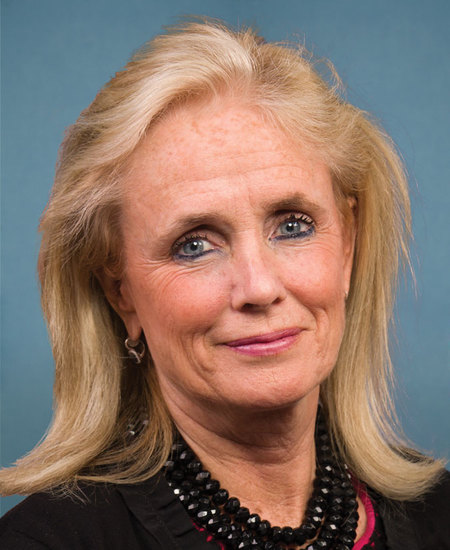
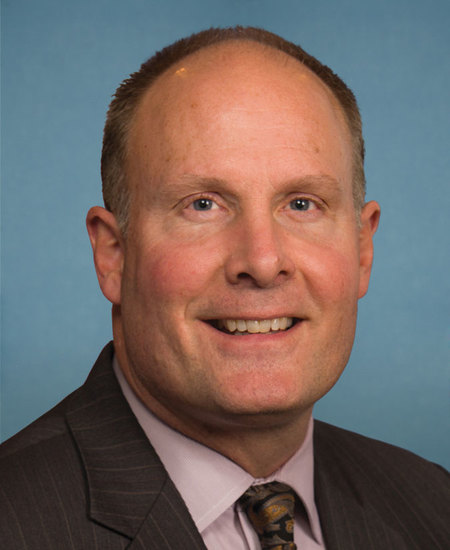
HR 8889 aims to improve dam safety and hydropower safety in the United States. The bill focuses on strengthening oversight, risk management, and resilience of dams and hydropower facilities, with the goal of reducing safety risks to the public, workers, and infrastructure while supporting reliable hydropower generation. The introduction and referral indicate leadership alignment with energy and commerce considerations, and the bill has at least two co-sponsors: Debby Dingell and John Moolenaar.
Key provisions and changes (as described by bill title and typical framework)
Note: The summary below reflects the core themes indicated by the bill’s title and related legislative practice. The exact text may include specific sections, definitions, and program details not listed here.
Dam safety improvements
- Establish or enhance dam safety standards and inspection regimes for federal and/or non-federal dams.
- Promote risk-informed decision-making for dam operations, maintenance, and upgrades.
- Improve public safety measures around dam sites, including emergency action planning and notification requirements.
Hydropower safety enhancements
- Implement safety protocols for hydropower facilities, including turbine and machinery safety, operational reliability, and incident reporting.
- Strengthen grid resilience by ensuring safe, continuous operation of hydropower assets during extreme weather or other emergencies.
- Potential updates to certification or training requirements for facility personnel.
Federal coordination and oversight
- Require collaboration among federal agencies involved in dam safety, water resources, energy, and infrastructure protection.
- Clarify roles and responsibilities for federal dam safety programs, funding, and technical assistance.
Funding and technical assistance
- Provide or authorize funding for safety upgrades, risk assessments, and emergency preparedness at dam and hydropower sites.
- Expand technical support, grants, or loan programs to assist state, local, or tribal entities in improving dam safety.
Emergency preparedness and public communication
- Strengthen emergency action plans, notification procedures, and public education about dam safety risks.
- Enhance data sharing and reporting to improve situational awareness during dam-related incidents.
Reporting and accountability
- Establish reporting requirements to Congress on safety metrics, inspection outcomes, and progress of safety projects.
- Implement performance metrics to evaluate the effectiveness of safety improvements.
Who would be affected
- Dam owners and operators: Public and private dam owners would implement enhanced safety standards, inspections, and emergency planning.
- Hydropower facilities: Operators of hydropower plants would adopt safety practices, maintenance upgrades, and safety training.
- Federal and state agencies: Agencies involved in water resources, energy, and infrastructure safety would coordinate, regulate, and fund safety initiatives.
- Local communities: Residents near dams and hydropower projects may benefit from improved safety communications and emergency readiness.
Procedural and timeline aspects
- Introduction and referral: The bill was introduced in the House and referred to the House Committee on Energy and Commerce on May 19, 2026.
- Next steps in committee: The committee may conduct hearings, request expert testimony, and mark up the bill with potential amendments before possibly sending it to the full House for consideration.
- Potential for amendments: Given the subject matter, amendments could address funding levels, scope (federal vs. non-federal dams), timelines for compliance, and interagency roles.
- Effective date: The bill’s text will specify effective dates for new requirements, typically staggered over years to allow compliance, though the exact dates are not provided in the available information.
Notes
- The summary reflects the bill’s stated title and typical legislative structure. For precise sections, definitions, dollar amounts, funding authorization, and timelines, the bill’s full text and any committee reports should be consulted once available.



Start the Conversation
Be the first to share your thoughts on this petition. Your voice matters!