
WeVote

Bill

Bill

HR 8316

Donald J. Trump Wealth Tax Act of 2026

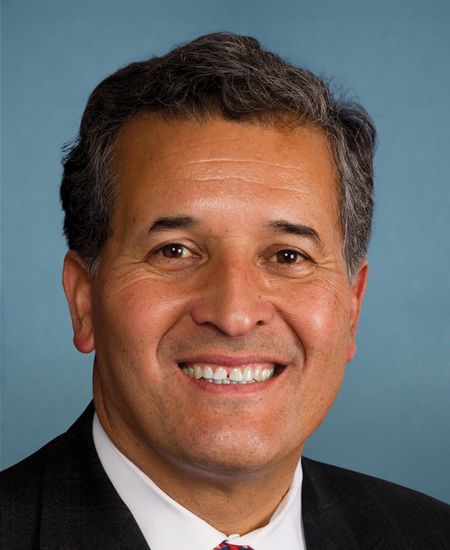
119th Congress Introduced by Juan Vargas

Imposes a one-time tax on net worth above $10,000,000 for certain individuals and trusts.

Introduced in House
0
WeVote Research Nonpartisan
Bill Summary · HR 8316

Summary of HR 8316 (119th Congress)

Title

To impose a one-time tax on the amount in excess of $10,000,000 of the net worth of certain individuals and trusts.

Purpose and intent

  • Establishes a one-time tax targeting the portion of net worth that exceeds $10 million for certain individuals and trusts.
  • Aims to raise revenue by imposing a tax on wealth above a specified threshold, rather than annual taxes or rates tied to income.

Key provisions (as described in the bill title and action history)

  • One-time tax: The bill would levy a tax only once, applicable to the value of net worth that surpasses $10,000,000.
  • Scope of taxed entities: Applies to certain individuals and trusts. The bill’s text (not provided here) would define which individuals and trusts fall within “certain” categories (e.g., high-net-worth individuals, controlling individuals, certain private trusts). The summary notes “individuals and trusts” without detailing exemptions or inclusions.
  • Threshold: Net worth above $10,000,000 is the portion that would be subject to the tax.
  • Tax base: Net worth is generally the total value of assets minus liabilities. The exact measurement rules (valuation timing, asset classes, exemptions, and how to treat illiquid assets) would be specified in the bill’s text.
  • Revenue use and rate: The summary of the bill title does not specify the tax rate or how revenue would be used; the full bill would define the tax rate, exemptions, and allocation of proceeds.

Who would be affected

  • Individuals with net worth exceeding $10,000,000 as defined by the bill.
  • Trusts that hold assets above the threshold and meet the bill’s criteria for “certain” trusts.
  • Potentially certain family offices or entities treated as trusts or equivalent for tax purposes, depending on definitional provisions in the bill.

Procedural and timeline aspects

  • Introduction: The bill was introduced in the House and assigned to the House Committee on Ways and Means on April 15, 2026.
  • Next steps: The committee would consider, mark up, and report the bill back to the House, potentially followed by floor consideration and votes. If enacted, it would proceed through the normal legislative process (Senate consideration, executive approval) and, if signed, become law.
  • Sponsorship: Co-sponsored by Rep. Juan Vargas.

Additional notes and considerations

  • Details not provided in the summary, such as:
    • The exact tax rate applied to the excess net worth.
    • Definitions of “net worth” and the valuation methodology (timing, treatment of illiquid assets, valuation disputes, and adjustments for indebtedness).
    • Exemptions, deductions, or credits (e.g., marital deductions, charitable deductions, inflation adjustments).
    • Treatment of incoming transfers, gifts, or wealth accumulated via business interests.
    • Penalties for non-compliance, enforcement mechanisms, and reporting requirements.
    • Effective date and any phase-in provisions if applicable.

This summary reflects the information available from the bill’s title and initial action history. For a complete understanding, the full text of HR 8316 would need to be reviewed to specify rates, definitions, exemptions, and procedural rules.

Compiled from official sources — confirm details with the bill’s official record.

Sign in to ask a question.
