

WeVote

Bill

Bill

HR 9325

Lone Star Coastal National Recreation Area Act

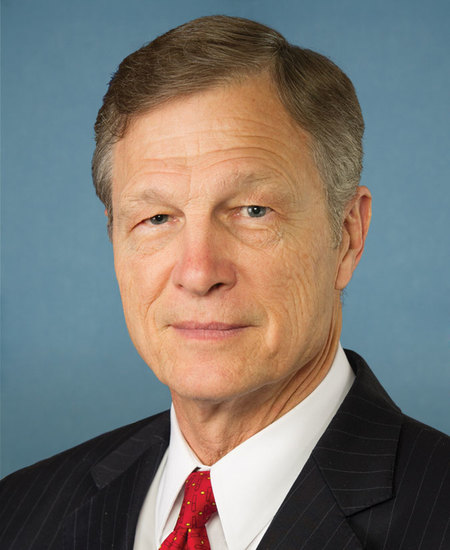
119th Congress Introduced by Brian Babin and 3 co-sponsors

Creates Lone Star Coastal National Recreation Area on the Texas Gulf Coast to conserve resources while boosting recreation and local economic benefits.

Introduced in House
0
WeVote Research Nonpartisan
Bill Summary · HR 9325

Summary of HR 9325 (119th Congress)

What the bill aims to do

  • Establish the Lone Star Coastal National Recreation Area to conserve, protect, and promote the economic benefits of the natural, cultural, and recreational resources of the Upper and Middle Texas Gulf Coast.
  • Create the new unit as part of the National Park System, integrating it into federal conservation and recreation management.

Key provisions and changes

  • Establishment
    • Designates a new national recreation area covering portions of the Upper and Middle Texas Gulf Coast.
    • Transfers or coordinates management authorities consistent with National Park System practices.
  • Management and Planning
    • Requires development of a management plan to guide conservation, visitor use, infrastructure, and resource protection.
    • May involve collaboration with federal, state, tribal, and local governments, and other stakeholders.
  • Resource Protection
    • Aims to protect natural resources (habitat, wildlife, ecosystems), cultural resources (historic sites, cultural landscapes), and recreational resources (public access, interpretation, trails, facilities).
  • Economic and Community Considerations
    • Seeks to promote economic benefits through sustainable recreation and tourism.
    • May authorize programs or partnerships that support local economies while safeguarding resources.
  • Funding and Administration
    • Likely to authorize funding mechanisms appropriate to National Park System units, including potential federal appropriations, grants, and partnerships.
    • Establishes roles for federal agencies (e.g., National Park Service) in administration and oversight.
  • Partnerships and Collaboration
    • Encourages collaboration with local communities, stakeholders, and possibly adjacent landowners for land protection, conservation initiatives, and visitor services.
  • Public Involvement
    • Requires public input and stakeholder engagement in planning processes and management decisions.

Who would be affected

  • Regions of the Upper and Middle Texas Gulf Coast would come under a new National Recreation Area designation.
  • Local governments, coastal communities, and stakeholders involved in land use, conservation, tourism, and economic development.
  • Federal partners, primarily the National Park Service, along with potential interagency coordination.
  • Visitors and recreational users would gain access to additional protected areas, trails, and educational resources.

Procedural and timeline aspects

  • Action history indicates:
    • Introduced in the U.S. House and referred to the Committee on Natural Resources on June 15, 2026.
    • No further actions listed in the provided record; subsequent steps would typically include committee hearings, a committee report, floor consideration, and potential passage by both chambers, followed by presidential assent for enactment.

Notable considerations for readers

  • The bill focuses on conservation and public benefits through a National Recreation Area designation, which typically emphasizes recreation, interpretation, and local economic vitality while safeguarding natural and cultural resources.
  • Specific boundary descriptions, management plans, funding levels, and implementation timelines would be clarified in committee reports and the final enacted text.

If you’d like, I can add a section comparing this proposal to existing National Recreation Areas or provide a brief overview of typical differences between National Recreation Areas and National Parks, for deeper context.

Compiled from official sources — confirm details with the bill’s official record.

Sign in to ask a question.