

WeVote

Bill

Bill

HR 8604

To establish the Language Access Board, and for other purposes.

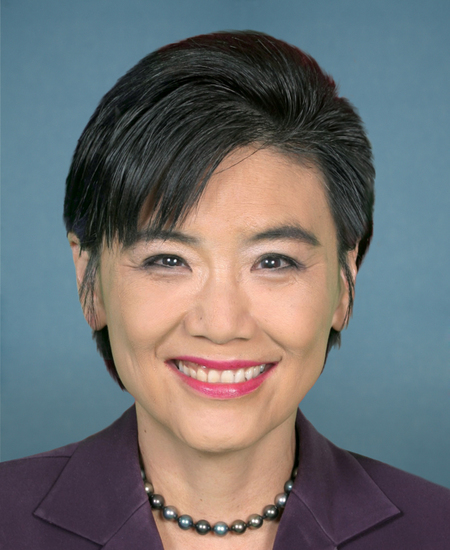
119th Congress Introduced by Judy Chu and 13 co-sponsors

Establishes a Language Access Board to set national standards, coordinate federal language services for LEP individuals, and monitor, report on, and fund ongoing language access ef

Introduced in House
0
WeVote Research Nonpartisan
Bill Summary · HR 8604

Summary of HR 8604 (118th or 119th Congress placeholder)

Title: To establish the Language Access Board, and for other purposes

Note: This summary is based on the bill’s title, the provided action history, and listed sponsors. If you have the full text, I can refine provisions and timelines accordingly.

1) Purpose and Intent

  • Establish a federal entity known as the Language Access Board.
  • Create a centralized framework to advance language access across federal programs and services.
  • Aim to ensure language services are available to individuals with limited English proficiency (LEP) to improve access, equity, and the effectiveness of government programs.

2) Key Provisions and Changes (What the Bill Would Do)

  • Creation of the Language Access Board: Establishment of a federal board responsible for policy guidance, coordination, and oversight of language access initiatives across the federal government.
  • Authority and Responsibilities:
    • Develop national standards and guidance on LEP service delivery, interpretation, translation, and culturally competent communication.
    • Promote best practices for language access in federal agencies, contractors, and grantees.
    • Monitor compliance with language access requirements and assess the effectiveness of programs in meeting LEP communities’ needs.
    • Issue annual or periodic reports detailing progress, gaps, and recommendations.
  • Coordination with Federal Agencies: Board would collaborate with agencies to integrate language access considerations into program design, implementation, and evaluation.
  • Funding and Resources: Provisions may authorize appropriations or earmark funding for the Board’s operations, technical assistance, and grant programs to support LEP initiatives.
  • Standards and Training: Potential requirements for hiring interpreters/translator services, credentialing standards, and training for federal staff on language access.
  • Data and Reporting: Establish data collection on LEP populations served, languages spoken, and service quality metrics to measure impact.

Note: The exact scope of authority (e.g., rulemaking power, enforcement mechanisms, specific agency mandates) will depend on the detailed text of the bill.

3) Who or What Would Be Affected

  • Federal Agencies and Programs: Agencies would need to align policies and practices with the Board’s guidance on language access; may incur compliance and reporting obligations.
  • LEP Individuals: Individuals with limited English proficiency would have improved access to federal information, benefits, and services through enhanced translation/interpretation support.
  • Contractors and Grantees: Entities receiving federal funds or performing federal functions could be required to meet language access standards.
  • Federal Workforce: Training and credentialing expectations for staff and contractors involved in language services.
  • States/Localities (indirectly): If federal guidance or funds flow to non-federal entities, state and local partners may adopt compatible language access practices.

4) Procedural and Timeline Aspects

  • Introduction and Referral: Introduced in the House and referred to the Committee on Oversight and Government Reform (April 30, 2026).
  • Committee Action: The bill would be studied, possible markup, amendments, and a committee vote before moving to the floor.
  • Floor Consideration: If reported out of committee, the bill would proceed to the House floor for debate and a vote; potential passage would require majority support.
  • Enactment Timeline: Upon passage, the Board would be established and start operations according to the bill’s effective date and any phased implementation schedule.
  • Funding Timeline: Any authorized funding would follow annual appropriations processes.

5) Additional Points to Clarify (If Full Text Available)

  • The Board’s structure (e.g., membership, term lengths, appointment process).
  • Specific enforcement mechanisms and penalties for non-compliance (if any).
  • Detailed funding levels, sources, and fiscal year schedule.
  • Relationship to existing language access laws and civil rights protections (e.g., Title VI considerations).
  • Geographic applicability (federal programs nationwide) and any pilot or phased rollouts.

If you can share the full text or official summary of HR 8604, I can provide a more precise, line-by-line breakdown of provisions, timelines, and fiscal implications.

Compiled from official sources — confirm details with the bill’s official record.

Sign in to ask a question.